 Blaine Siding
 Why Sumas Homes Need a Different Approach Than a Big-Box Window Sale
Sumas sits in the Nooksack River valley in Whatcom County, close enough to the water that homes here deal with the same wet Pacific Northwest weather pattern that runs from the coastal salt air near Blaine all the way inland — heavy fall and winter rain, long stretches of overcast damp, and the kind of persistent moisture that keeps moss growing on roofs and siding for months at a time. Windows take a beating from all of it. A window that's rated fine for a dry climate can still fail here within a few years if it isn't installed with this region's moisture load in mind.
"Energy-efficient" gets used as a marketing word a lot. For a Sumas home, it should mean something specific: a window and installation that keeps conditioned air in, keeps wind-driven rain out, and doesn't create a slow leak path behind the trim that you won't notice until the wall sheathing is already soft. We treat those as one job, not two.
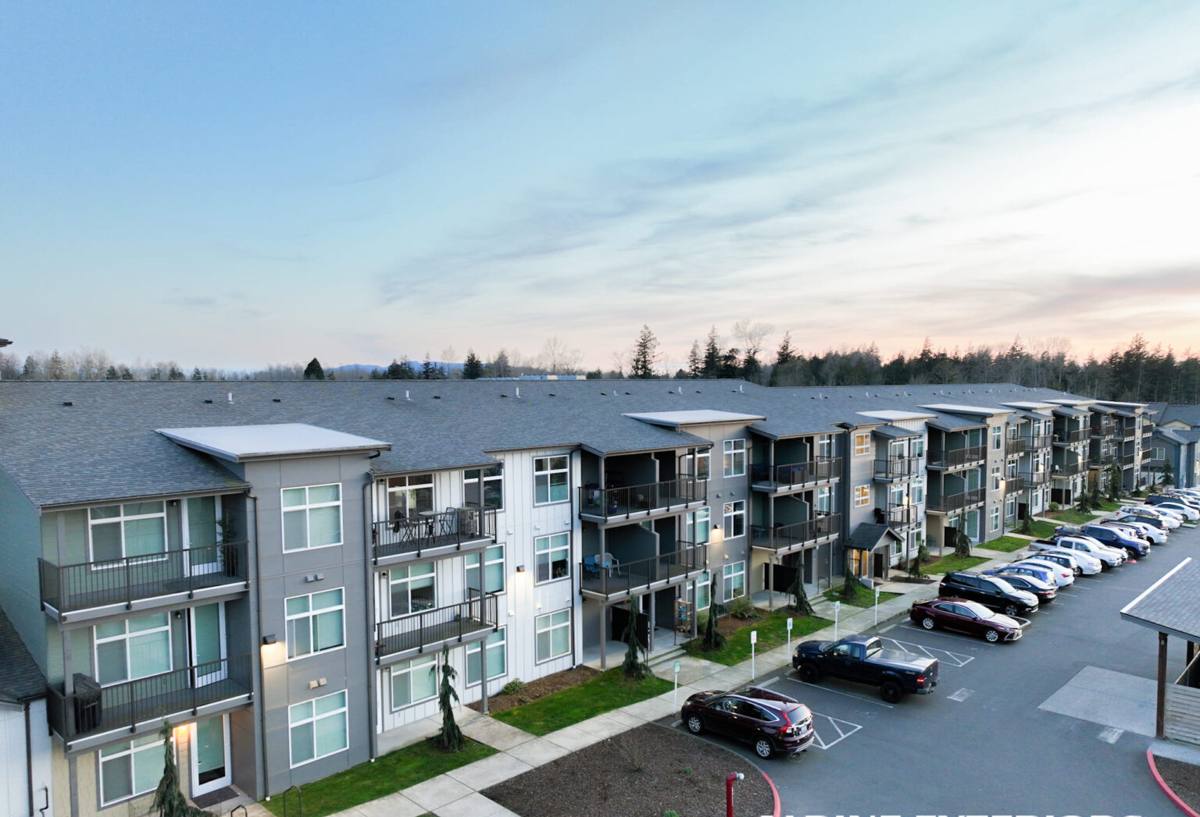
What Driving Rain and a Long Moss Season Actually Do to Windows
Whatcom County's climate isn't dramatic in any single storm — it's the accumulation that causes problems. A few specific mechanisms show up again and again in older or poorly installed windows in this area:
- Wind-driven rain finds gaps, not walls. Rain here often comes in sideways, which pushes water into any seam that isn't properly flashed or sealed — not just straight down where gravity would carry it away.
- Constant damp keeps wood-adjacent materials wet longer. Even good materials stay saturated longer in this climate than they would in a drier region, which accelerates rot in any window frame material that isn't moisture-tolerant.
- Moss and algae hold moisture against the building. Growth on nearby siding, trim, or sills keeps water sitting against the window opening instead of draining and drying, which is exactly the condition that leads to hidden rot.
- Temperature swings stress seals. Cold valley mornings followed by milder afternoons cause repeated expansion and contraction in glass seals and frame joints, which is part of why old dual-pane units eventually fog between the panes.
None of this means windows in Sumas need to be exotic or overbuilt. It means the installation details — flashing, sealant choice, drainage — matter as much as the window product itself.
Signs Your Windows Are Already Costing You Money
Most homeowners don't replace windows because they woke up thinking about R-values. They replace them because something became obvious. Common signs we see on service calls in this area:
- Visible fog or a cloudy haze between the panes of a double-pane window — the seal has failed and the insulating gas is gone.
- Cold drafts near the frame even with the window fully latched.
- Condensation collecting on the inside of the glass or on the sill during cold weeks.
- Soft or discolored wood trim around the window, especially at the bottom corners where water collects.
- Windows that are difficult to open, close, or lock — often a sign the frame has shifted or swelled.
- A noticeable difference in room temperature near the window compared to the rest of the house.
Any one of these on its own might just mean one window needs attention. Several at once, especially on the same wall or elevation, usually points to a systemic issue with how that side of the house handles rain and wind.
What a Correct Energy-Efficient Window Installation Actually Involves
Removal and Opening Inspection
Every replacement starts with pulling the old unit and actually looking at what's behind it — the sheathing, the framing, and any existing flashing. This is the point where hidden rot or water damage from years of a failed seal gets found. Skipping this step is the single most common shortcut that leads to a window looking fine for a year or two and then failing again.
Flashing and Moisture Management
The window opening needs a drainage plane that sheds water outward and downward, layered correctly so that water moving down the wall never gets trapped behind the window flange. In a climate with this much wind-driven rain, flashing tape and sill pans aren't optional extras — they're the part of the job that actually keeps water out, more so than the window unit itself.
Setting the Window and Managing Insulation Gaps
The window has to be shimmed level, plumb, and square, then the gap between the window frame and the rough opening needs to be insulated without overpacking it — too much expanding foam can bow the frame and cause the sash to bind. This is a detail that's easy to get wrong in a rush and hard to notice until the window doesn't operate smoothly.
Sealing and Exterior Trim
Exterior sealant is the last line of defense, not the first. A good installation doesn't rely on caulk to make up for missing flashing — but the sealant still needs to be the right product for exterior exposure, applied at the right joints, and inspected as part of the finished job rather than an afterthought.
Frame Materials: What Holds Up in This Climate
There isn't one "best" frame material for every house — it depends on your home's style, budget, and how much upkeep you want to take on. Here's how the common options actually compare for a wet, moss-prone climate like Whatcom County's:
| Frame Material | Moisture Tolerance | Maintenance | Typical Trade-Off |
|---|---|---|---|
| Vinyl | Good — won't rot | Low | Limited color/finish options; can flex in large sizes |
| Fiberglass | Very good — stable in wet/dry cycles | Low | Higher upfront cost than vinyl |
| Aluminum | Good if thermally broken; poor if not | Low | Conducts cold without a thermal break, which hurts efficiency |
| Wood | Requires consistent upkeep in this climate | High | Best traditional appearance; highest maintenance burden |
| Wood-clad (wood interior, composite exterior) | Good on exposed face | Moderate | Interior wood still needs care from moisture indoors |
Our general standard: for exterior exposures that take direct wind-driven rain, we steer homeowners toward vinyl or fiberglass unless there's a strong design reason for wood. It's not that wood windows are a bad product — it's that an all-wood exterior frame asks for a level of ongoing maintenance that most homeowners underestimate when the rain here rarely lets up for long.
Glass Packages and What They Actually Buy You
Most modern replacement windows come standard with dual-pane, low-E coated glass, which is a reasonable baseline for this region. Beyond that baseline, a few upgrades are worth knowing about rather than treating as automatic:
- Argon or krypton gas fill improves the insulating value of the airspace between panes, with a modest but real difference on colder nights.
- Triple-pane glass adds meaningful insulation and sound dampening but adds weight and cost — worth considering on north-facing walls or rooms where noise or cold is a known problem, not necessarily every window in the house.
- Low-E coating variants are tuned differently depending on whether the priority is blocking summer heat gain or retaining winter heat — in this climate, retaining heat through the wetter, colder months is usually the bigger factor.
We'll walk through what makes sense for your specific walls and sun exposure rather than defaulting everyone to the most expensive glass package.
Our Process for a Sumas-Area Window Job
- On-site assessment. We look at existing windows, framing condition, and how water currently moves around each opening before recommending anything.
- Honest scope. Some homes need every window replaced; others just need the worst-exposed elevation addressed now and the rest planned for later. We'll say which is true for your house.
- Written estimate. Product, frame material, glass package, and labor spelled out — no vague allowances.
- Installation with opening inspection. Old units come out, the opening gets inspected and repaired if needed, then flashed and set correctly.
- Final check. Every window is operated, checked for square and smooth function, and the exterior sealant line is inspected before we call the job done.
What Affects Cost
Every home is different, but the main variables that move the price on a window job are consistent. Broad ranges only — your written estimate will reflect your actual house:
| Factor | Why It Matters |
|---|---|
| Number of openings | Straightforward driver of total cost; larger jobs often get better per-window pricing |
| Frame material chosen | Vinyl is typically the most budget-friendly; fiberglass and wood cost more upfront |
| Glass package | Triple-pane and specialty coatings add cost per unit |
| Condition of the existing opening | Hidden rot or damaged sheathing found during removal adds repair scope |
| Window size and configuration | Large picture windows or custom shapes cost more than standard double-hungs |
| Access and site conditions | Second-story or hard-to-reach windows add labor time |
We'd rather find out about a rotted sill during the estimate walk-through than surprise you with it mid-job — that's part of why the opening inspection happens before we quote anything that involves a known problem area.
Checklist Before You Hire Anyone for Window Work
- Ask what happens if they find rot or damage behind the old window — is opening repair included or a separate line item?
- Confirm what flashing and sealing method they use, not just what window brand they sell.
- Get the frame material and glass package specified in writing, not just "energy-efficient windows."
- Ask how they handle disposal of old windows and cleanup.
- Confirm licensing and insurance, and ask how long they've been doing this specific work in Whatcom County.
- Get the manufacturer's warranty terms and the installer's labor warranty in writing separately — they aren't the same thing.
Why Local Experience in This Area Matters
A crew that only occasionally works this far north in Whatcom County is guessing at how much rain exposure a given wall sees, how long the moss season really runs, and which flashing details actually hold up here versus in a drier climate. A crew that regularly works Sumas and the surrounding area already knows which elevations take the worst weather, what the local building department expects for permitted replacement work, and what tends to fail first on older homes in this valley. That translates into fewer surprises and a job that's built for the weather it's actually going to face, not a generic install.
If you're weighing whether to replace a few windows or handle the whole house at once, we're happy to walk the property with you, point out what's urgent versus what can wait, and give you a straight answer either way. Reach out for a free, no-pressure estimate — the form below gets you started.