 Blaine Siding
 Why Birch Point Siding Wears Out Faster Than Homes Inland
Birch Point sits right on the water in the Blaine area of Whatcom County, which means the siding on these homes works harder than siding just a few miles inland. Wind coming off the water carries salt-laden air that accelerates corrosion on fasteners, trim, and lower-grade coatings. Add in the Pacific Northwest's driving, wind-blown rain and a long shaded moss season that can run from fall through spring, and you have a combination that exposes weak spots in siding faster than a typical suburban lot ever would.
None of that means siding on Birch Point is doomed to fail early. It means the margin for error is smaller. A siding system that's marginal in a sheltered inland yard can fail within a few years on an exposed waterfront-facing wall. That's the lens we use whenever we look at a replacement job out here: what does this specific wall, on this specific site, actually need to hold up.
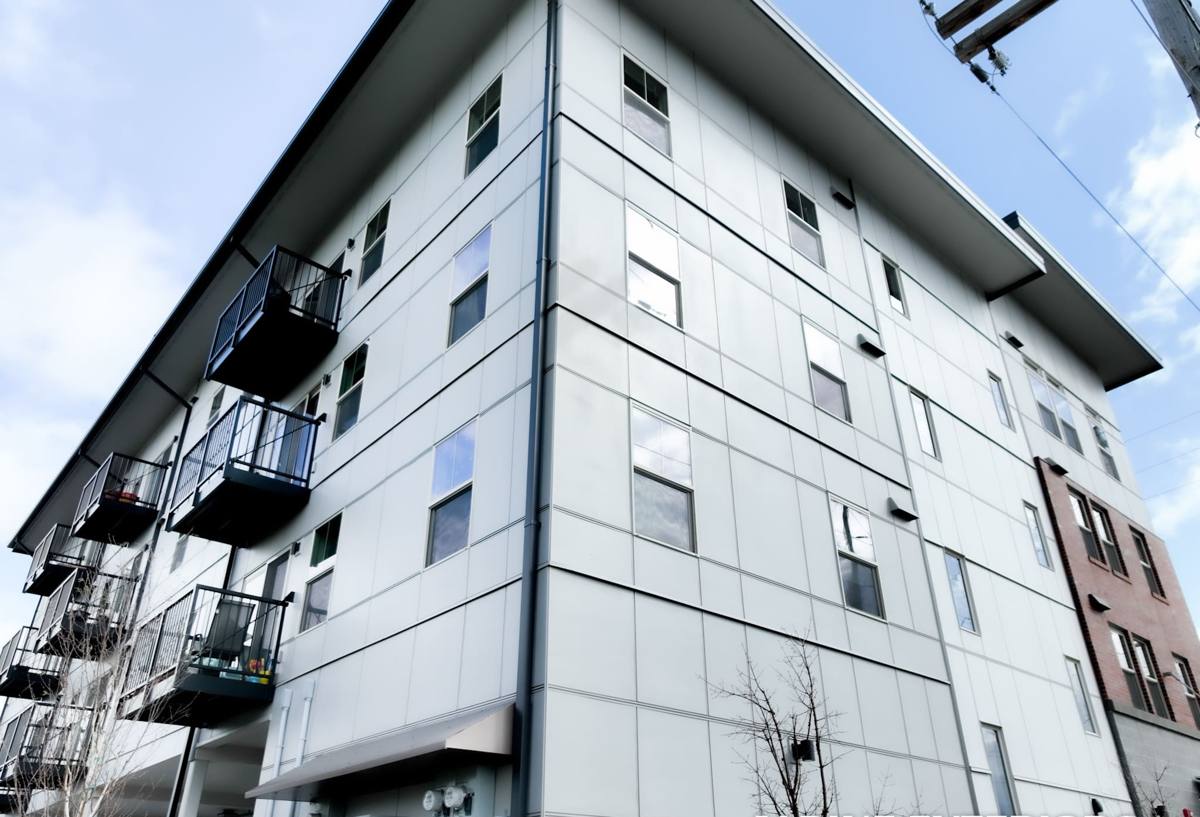
Signs Your Siding Has Stopped Keeping Up
Most siding doesn't fail all at once — it gives out unevenly, usually starting on the walls that face the water or sit in shade most of the day. Before you commit to a full replacement, it's worth knowing what to actually check for:
- Soft or spongy spots when you press on the siding, especially near the bottom courses
- Moss or algae that's established itself in seams, grain, or lap joints rather than just sitting on the surface
- Paint that won't hold anymore, or that needs recoating every few years instead of every decade or more
- Panels that are cupping, bowing, or pulling away from the wall at the edges
- Visible gaps at seams, corners, or trim that could be letting wind-driven rain behind the cladding
- Rust streaks below fastener heads or metal trim, a sign salt air is already at work
- Rot at the bottom edge, near grade, or anywhere water tends to collect and sit
One or two of these on their own might mean a repair. Several of them together, especially on a wall that faces the water or stays shaded most of the day, usually means the siding system itself has run out of runway.
What a Correct Siding Replacement Actually Involves
Siding replacement isn't just removing old panels and nailing up new ones. The siding itself is the least important part of keeping water out of a wall — what's underneath it does most of the real work. A correct job on an exposed site like Birch Point includes:
Tear-off and a real look at the sheathing
Once the old siding is off, we check the sheathing underneath for soft spots, staining, or rot before anything new goes up. Covering damaged sheathing with new siding just hides a problem that will keep getting worse behind the wall.
A proper weather-resistive barrier
The house wrap or building paper behind the siding is what actually stops bulk water from reaching the sheathing. It has to be installed shingle-style, top over bottom, so any water that gets past the cladding drains down and out instead of finding a seam to work into.
Flashing at every penetration
Windows, doors, hose bibs, light fixtures, vents — every place something interrupts the wall plane is a place water can find a way in if the flashing isn't done correctly. This is where a lot of siding jobs quietly cut corners, and it's where most of the leaks we get called out to trace back to.
A drainage gap where the site calls for it
On walls that take direct wind-driven rain, a rainscreen gap between the weather barrier and the siding gives any moisture that does get through a way to drain and dry out instead of sitting against the back of the panels.
Fastening to manufacturer spec
Fastener type, spacing, and placement all affect how well siding holds up to wind and how well it resists water intrusion at the nail line. Correct fastening also matters directly for salt air resistance, since the wrong fastener can start corroding years before the siding itself shows wear.
Where Correct Installation and Corner-Cutting Diverge
| Step | Done Correctly | Common Shortcut |
|---|---|---|
| Weather barrier | Continuous, shingle-lapped house wrap | Gaps, tears, or wrong lap direction |
| Flashing | Integrated at every window, door, and penetration | Caulk used in place of real flashing |
| Fastening | Manufacturer-specified type, spacing, depth | Whatever fasteners are on hand |
| Drainage gap | Rainscreen on exposed elevations | Siding installed direct to the barrier |
| Finish | Factory-applied coating | Field-painted after install |
Why Material Choice Matters More on an Exposed Site
Every siding material behaves differently once salt air and constant moisture enter the picture. Here's how the common options actually compare in this kind of climate, not just on price:
| Material | Salt Air / Moisture Behavior | Moss Resistance | Typical Maintenance |
|---|---|---|---|
| Vinyl | Doesn't rot, but can warp or fade under coastal sun and wind cycling | Moss and algae sit on the surface and need regular washing | Low, but limited repair options once damaged |
| Cedar | Attractive but absorbs moisture; needs consistent sealing to resist rot | Prone to moss and mildew without upkeep | High — regular sealing, staining, or painting |
| Engineered wood (e.g. LP SmartSide) | Wood-based core is vulnerable if the finish or seams fail | Moderate; depends on finish integrity | Moderate to high, especially at cut edges and seams |
| Fiber cement (James Hardie) | Non-combustible, doesn't rot or absorb moisture like wood-based products | Factory ColorPlus finish resists moss and mildew adhesion better than field-applied coatings | Low — periodic rinsing, no repainting on a fixed schedule |
This is exactly why we standardized on one product line instead of offering all of them. On a site like Birch Point, the material's long-term behavior in salt air and constant damp matters more than upfront cost, and the differences between products only show up years down the road, after the installer is long gone.
Why We Only Install James Hardie Fiber Cement
We don't install vinyl, LP SmartSide, Cemplank, Allura, primed spruce, or cedar. That's a deliberate call, not a lack of options. Fiber cement doesn't have a wood core to rot or swell, which matters directly in a climate with this much sustained moisture. It's non-combustible, which is worth something in any home. James Hardie's ColorPlus factory finish is baked on under controlled conditions rather than applied on site or touched up later, and it holds color and resists moss and mildew better than a field-applied coat over the long run.
Hardie also builds region-specific product lines engineered for different climate zones, including versions built for the wetter, harsher conditions the Pacific Northwest sees. Paired with a strong transferable warranty and a track record of holding up when installed correctly, it's the product we're willing to put our name behind on exposed, high-moisture sites like Birch Point.
Our Process, Start to Finish
- Inspection: We walk the exterior, check moisture levels at the sheathing where accessible, and identify which walls are taking the worst of the wind and salt exposure.
- Written scope: You get a clear plan covering tear-off, any sheathing repair, the weather barrier, flashing details, and the Hardie product line and color being installed.
- Tear-off and repair: Old siding comes off, sheathing gets inspected and repaired as needed before anything new is installed.
- Weather barrier and flashing: House wrap and flashing go in first, with extra attention at windows, doors, and any wall penetrations.
- Hardie installation: Panels or lap siding go up to manufacturer fastening spec, including a drainage gap on elevations that call for it.
- Cleanup and walkthrough: Site is cleaned up, and we walk the finished job with you before wrapping up warranty paperwork.
Why It Matters That We Already Work Birch Point
A crew that's worked this specific area knows which walls take the brunt of the wind off the water, which sides stay shaded and damp longest through moss season, and how that compares to a similar-looking home just a mile or two inland in Blaine proper. That local knowledge shapes real decisions — where a drainage gap is worth the extra step, which trim details need more attention, and what fastening and flashing choices actually hold up here versus what's fine in a more sheltered spot. It also means familiarity with Whatcom County permitting and inspection expectations, so the paperwork side of the job doesn't slow things down.
Keeping New Siding Looking Right Through Moss Season
Correctly installed fiber cement siding is low-maintenance, not no-maintenance. A few habits go a long way on an exposed site like this:
- Keep gutters and downspouts clear so water isn't sheeting down the siding face
- Trim back vegetation near shaded walls to let air and light reach the siding
- Rinse off surface moss or algae buildup periodically, especially on north-facing walls
- Keep an eye on caulking at trim and penetrations and have it refreshed if it starts to fail
Because the ColorPlus finish is factory-applied, you're not stuck on a repainting schedule the way you would be with cedar or a field-painted product — that alone removes one of the biggest recurring maintenance costs on a waterfront-exposed home.
Get a Straight Answer on What Your Home Needs
If your siding is showing its age on a Birch Point home, we're happy to take a look and give you a clear, honest read on whether you're looking at repair or full replacement, and what it would take to do it right for this site. There's no pressure and no obligation — just a straightforward estimate based on what we actually find on your walls. The request form below is the easiest way to get started.