 Blaine Siding
 Salt Air, Driving Rain, and a Long Moss Season: What Semiahmoo Roofs Are Up Against
Semiahmoo sits right on the water, and that location cuts both ways. The views are part of why people love living out there, but the same wind off the bay that makes the setting so appealing also carries salt-laden air across roofs, siding, and every exposed metal fastener on the house. Add in driving rain that comes in sideways during winter storms and a moss season that runs longer here than it does further inland, and you've got a roofing environment that's genuinely tougher than what most of Whatcom County deals with.
Asphalt shingles hold up fine in a lot of settings, but on a waterfront property near Blaine, that combination of salt, moisture, and shade from mature trees shortens their working life. Metal roofing was built for exactly this kind of exposure, which is why we see more homeowners in Semiahmoo asking about it every year.
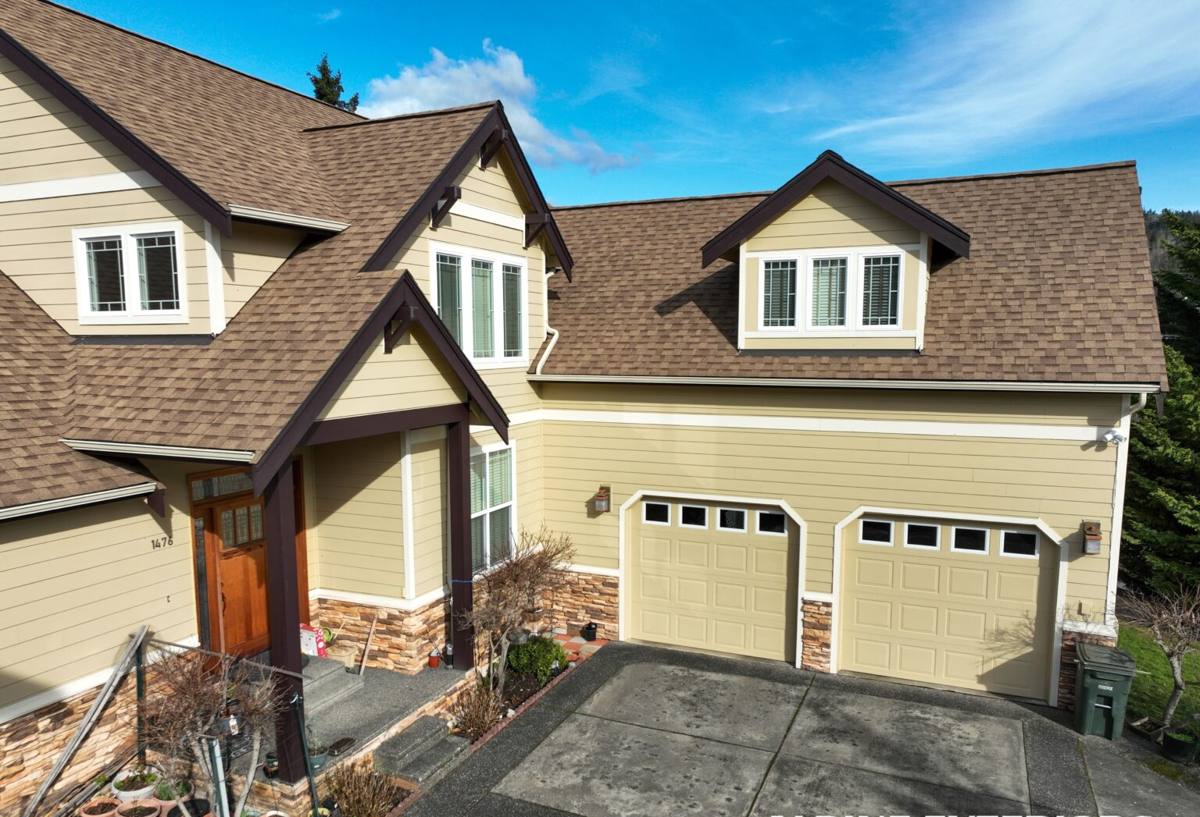
Why Metal Roofing Makes Sense for This Kind of Exposure
A properly installed metal roof sheds water fast instead of absorbing it the way an asphalt mat does. That matters when a roof is getting hit with wind-driven rain off the water on a regular basis. Metal panels don't have an organic surface for moss and algae to root into the way shingle granules do, so while moss can still collect in valleys or shaded low-slope sections, it's far easier to keep a metal roof clean than a shingle roof in the same spot.
Metal roofing also handles wind uplift better than most shingle products when it's fastened correctly, which is a real consideration for a house that takes wind directly off the bay. And because it doesn't rely on a felt or fiberglass mat that degrades over time, a well-installed metal roof simply lasts longer under these conditions than most alternatives.
Choosing a Metal Roofing System for a Semiahmoo Home
Panel Style
Not every metal roofing system is built the same way, and the differences matter more in a salt-air environment than they would somewhere drier. Standing seam panels use concealed, raised fasteners that never puncture the panel face, which keeps water out of the fastener path entirely. Exposed-fastener panels are more affordable up front but rely on screws driven straight through the panel, and every one of those penetrations is a spot where corrosion can start if the wrong fastener was used or a gasket fails over time.
Finish and Coating
The paint system matters as much as the metal underneath it. A premium PVDF (often sold as Kynar 500) finish resists chalking and color fade in salt air far better than a standard polyester coating. It costs more, but on a property that's catching bay wind and salt spray year-round, it's the difference between a roof that still looks sharp in fifteen years and one that's visibly faded and chalky.
| System | Best For | Maintenance | Relative Investment |
|---|---|---|---|
| Standing Seam | Waterfront and high-exposure homes, modern or classic styles | Low — no exposed fasteners to inspect | Higher |
| Exposed-Fastener Panel | Outbuildings, garages, budget-conscious re-roofs | Moderate — fasteners need periodic checks | Lower to Mid |
| Metal Shingles/Shakes | Homes wanting a traditional look with metal durability | Low to Moderate | Mid to Higher |
The Installation Details That Actually Matter in a Salt-Air Environment
Fasteners and Flashing
This is where most of the long-term problems with metal roofing actually start, and it has nothing to do with the panels themselves. Standard fasteners corrode faster in salt air, so we use stainless steel or coated fasteners rated for coastal exposure, not the generic hardware that gets used inland. Flashing at valleys, chimneys, skylights, and roof-to-wall transitions has to be formed and lapped correctly — these are the spots where driving rain finds its way in if the detailing was rushed.
Underlayment
Underneath the panels, a self-adhering, high-temperature synthetic underlayment gives the roof a second line of defense at valleys, eaves, and penetrations. In a climate with this much sustained moisture, that backup layer isn't optional — it's what keeps a small flashing issue from turning into a deck-level leak.
Dissimilar Metals and Galvanic Corrosion
One detail that catches homeowners off guard: certain metals corrode faster when they're in direct contact with each other, and salt air accelerates that reaction significantly. Copper flashing against galvanized steel, for example, is a mistake that won't show up right away but will cause real damage over a few years near the water. Part of doing this job correctly is making sure every metal component on the roof — panels, flashing, fasteners, and any accessories — is compatible.
Keeping Moss and Algae From Taking Over
Whatcom County's wet winters mean moss season runs long, and Semiahmoo's tree cover and shaded roof sections give moss even more of a foothold than open, sun-exposed roofs get. Metal roofing doesn't stop moss from landing on a roof — it stops moss from rooting into the roofing material itself, which is the real long-term damage mechanism with organic shingles. On a metal roof, moss and algae growth tends to stay on the surface in shaded valleys and low-slope areas, and it comes off with routine cleaning instead of taking granules and mat material with it.
A few things help keep growth to a minimum:
- Keeping gutters and valleys clear of needles and leaf debris that hold moisture against the panel
- Trimming back overhanging branches where practical to let more sun and airflow reach the roof
- Installing zinc or copper strips near the ridge on shaded sections, which release trace metals that inhibit moss growth as rain washes over the panels
- A yearly visual check, especially after the wettest stretch of winter
Our Process for a Semiahmoo Metal Roofing Project
- On-site assessment. We look at the existing roof, deck condition, ventilation, and how exposed the property is to wind and salt spray off the water.
- System and finish selection. We walk through panel style and coating options based on your home's style, exposure, and budget — no pressure toward the most expensive option if it isn't the right fit.
- Tear-off or overlay evaluation. Metal can sometimes go over an existing roof deck, but we'll tell you honestly when a tear-off is the right call, usually when the deck or underlayment is already compromised.
- Installation. Correct fastener spec, proper flashing details, and compatible metals throughout — the details covered above, done right the first time.
- Cleanup and walkthrough. We clear the site of debris and walk the finished roof with you so you know what maintenance, if any, to expect going forward.
What Affects the Cost of a Metal Roof in This Area
We don't publish flat pricing because every roof is different, but a few factors consistently move the number up or down on Semiahmoo homes specifically:
| Factor | Why It Matters Here |
|---|---|
| Roof pitch and complexity | Multiple valleys, dormers, and steep sections take more labor and flashing work |
| Panel type and coating | Standing seam with a premium PVDF finish costs more than exposed-fastener panels with a standard coating |
| Tear-off vs. overlay | Removing an old roof and repairing deck damage adds time and disposal cost |
| Site access | Waterfront lots, steep driveways, and limited staging space can affect labor and equipment logistics |
| Roof size and number of penetrations | Chimneys, skylights, and vents each require careful flashing, which adds time regardless of overall square footage |
The most useful way to get a real number is a site visit — we'll walk the roof, talk through your options, and give you a written estimate based on your actual home, not a generic average.
Why Hiring a Crew That Already Works in Semiahmoo Matters
A roofer who mostly works inland jobs may not think twice about fastener grade, dissimilar-metal contact, or how much additional flashing attention a bay-facing roof needs. Those details don't show up as problems for years, and by then it's an expensive fix instead of a five-minute decision made correctly during installation. Working regularly in Blaine and the surrounding Whatcom County waterfront gives us a feel for how wind and salt exposure actually behave on these properties, not just what a manufacturer's spec sheet says in general terms.
Some Semiahmoo properties also fall under community or association guidelines around exterior materials and appearance — if that applies to your home, we can help you understand what's needed before work starts, rather than running into it partway through the job.
Signs Your Current Roof May Be Ready for a Metal Upgrade
- Shingles are curling, cracking, or shedding granules faster than they should for their age
- Moss keeps coming back within a season or two of cleaning
- You're seeing rust staining or corrosion around existing metal flashing or vents
- Leaks or staining have shown up near valleys, chimneys, or skylights
- Your roof is approaching or past the expected lifespan for its material
- You're planning a remodel or addition and want the roofing to match a longer-term plan for the home
If you're seeing one or more of these on a Semiahmoo property, it's worth having someone look at the roof before a small issue turns into a deck repair. We're happy to come take a look, walk you through what we find, and put together a free, no-pressure estimate — no obligation either way. There's a short form below to get that started.