 Blaine Siding
 Building Decks That Actually Hold Up in Semiahmoo
Semiahmoo sits right where Whatcom County meets the water, and that location is exactly what makes deck-building here different from a typical inland project. Homes along this stretch of coastline get a steady diet of salt-laden air, wind-driven rain coming off the bay, and a wet season that runs long even by Pacific Northwest standards. A deck built the same way you'd build one in Lynden or Bellingham's east side won't necessarily perform the same way a few miles west, closer to the water. We've built and repaired decks throughout the Semiahmoo area long enough to know which details matter here and which ones are just extra cost.
This page is about one thing: custom deck construction for Semiahmoo homeowners, built around the specific conditions this neighborhood deals with every year. Not a general overview of decking — the real considerations for this stretch of Blaine.
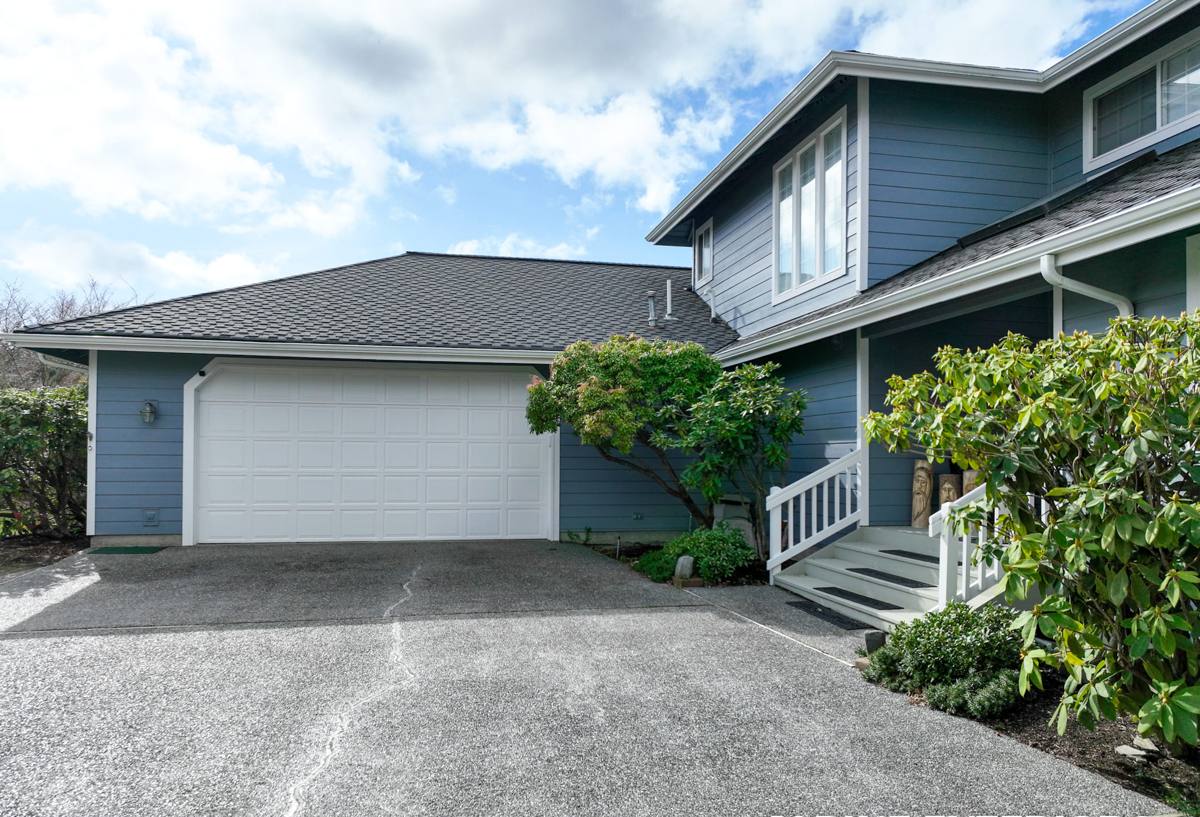
What Semiahmoo's Climate Actually Does to a Deck
Three factors show up over and over when we inspect older decks in this area, and they're worth understanding before you plan a new build or a replacement.
Salt Air and Metal Fasteners
Proximity to the water means airborne salt settles on every exposed surface, including the deck itself. Over years, salt exposure accelerates corrosion on fasteners, brackets, and hardware that wasn't rated for it. Standard galvanized screws and joist hangers can start showing rust streaks and weakening well before a comparable deck further inland. This is one of the most common failure points we find on older Semiahmoo decks — not the boards, but the hidden hardware holding them together.
Driving Rain and Water Intrusion
Rain here doesn't just fall straight down — wind off the water pushes it sideways, which means it finds its way into joints, ledger connections, and fastener holes that a calm-weather deck design might get away with. Water that gets trapped against a house's ledger board or pools on a poorly sloped surface is what eventually leads to rot, not just rainfall totals.
Extended Moss and Algae Season
Whatcom County's wet season runs long, and shaded or north-facing decks in Semiahmoo can stay damp for weeks at a stretch. That moisture, combined with organic debris from surrounding trees, creates ideal conditions for moss and algae growth on deck surfaces. Beyond looking bad, moss holds moisture against the wood or composite surface and makes boards dangerously slick.
What a Correctly Built Deck Looks Like Here
A deck built for Semiahmoo conditions isn't fundamentally different in concept from any well-built deck — it just can't cut corners in a few specific places.
- Stainless steel or coated fasteners rated for coastal/marine exposure, not standard galvanized hardware
- Proper ledger board flashing and a positive water break between the house and the deck framing
- Consistent slope away from the house so water sheds instead of pooling
- Adequate joist spacing and blocking to handle wet-season weight from standing water, snow, or debris
- Gaps between boards sized correctly for drainage and airflow underneath
- Ventilation underneath the deck structure to keep framing from staying damp long-term
- Surface material chosen with this property's sun/shade exposure and moss risk in mind
Skipping any one of these doesn't usually cause an immediate problem — it shows up two, five, or ten years later as soft spots, rust stains, or a deck that needs boards replaced far sooner than it should.
Decking Material Choices for a Semiahmoo Property
There's no single "best" decking material for every home here — it depends on sun exposure, how much upkeep you want to do, and budget. Here's how the common options actually compare under Semiahmoo's conditions.
| Material | How It Handles Salt Air & Moisture | Moss/Algae Resistance | Maintenance |
|---|---|---|---|
| Pressure-treated wood | Good if fasteners and flashing are correct; wood itself is moisture-resistant but needs sealing | Needs regular cleaning and sealing to resist moss buildup | Annual cleaning, re-sealing every 2-3 years |
| Cedar | Naturally moisture and insect resistant, but still needs proper hardware and finish | Moderate — benefits from periodic cleaning | Periodic sealing/staining to maintain appearance and protection |
| Composite decking | Very good — doesn't absorb water or rot | Can still grow surface moss/algae in shaded, damp spots; cleans off easily | Low — occasional washing, no staining or sealing |
| PVC decking | Excellent — fully moisture resistant material | Low risk, but still benefits from occasional rinsing in shaded areas | Lowest — wash as needed |
We'll walk through these trade-offs honestly based on where your deck sits, how much sun and shade it gets, and what you're comfortable maintaining. A deck tucked under trees on a north side of the house has different needs than one that gets full afternoon sun.
Repair, Rebuild, or Replace?
Not every deck in Semiahmoo needs to be torn out and started over. When we inspect an existing deck, we're looking at a few key things to figure out the right scope of work.
Signs a Deck Can Likely Be Repaired
If the framing underneath is still solid — no soft or spongy joists, no rust-compromised structural hardware — and the issues are limited to surface boards, railings, or isolated fastener corrosion, targeted repairs are often the honest answer. Replacing surface boards and swapping out corroded hardware for marine-rated fasteners can add years of life to a structurally sound deck.
Signs It's Time for a Full Rebuild
Rot at the ledger connection, multiple joists showing soft spots, structural hardware that's rusted through, or a deck that was never properly flashed to begin with are all signs that repairs would just be patching a deeper problem. In those cases, a full rebuild with correct flashing, fasteners, and drainage from the ground up is the more honest recommendation, even if it costs more upfront than a patch job.
We'll always tell you which category your deck falls into and why — not just recommend the bigger job by default.
Our Process for a Semiahmoo Deck Project
1. On-Site Assessment
We look at sun/shade exposure, drainage patterns around the house, existing structure condition if there's a deck to replace, and how the space will actually be used.
2. Material and Design Conversation
Based on that assessment, we talk through decking material, railing options, and layout — with honest trade-offs for maintenance, cost, and how each option holds up to this property's specific exposure.
3. Permitting
Most deck projects in Blaine and unincorporated Whatcom County require a permit, especially for elevated structures or anything attached to the house. We handle that process as part of the project so it's built to code from the start.
4. Construction with Coastal-Grade Details
Framing, flashing, fastener selection, and drainage are handled to the standard described earlier in this page — not scaled back to cut cost, since those are the details that determine whether the deck is still solid in ten years.
5. Final Walkthrough
We go over the finished deck with you, including basic care guidance specific to your material choice and this property's sun/shade conditions.
Maintenance That Matters More in Semiahmoo Than Elsewhere
Whatever material you choose, a few maintenance habits matter more here than they would on a drier, more inland property:
- Rinse or sweep debris off the deck surface regularly, especially in shaded areas prone to moss
- Check fastener heads and visible hardware periodically for early rust signs, particularly on older decks with standard-grade hardware
- Keep gutters and downspouts near the deck clear so runoff isn't dumping extra water onto or near the structure
- Clear organic debris (leaves, needles) from between boards so it doesn't trap moisture
- Reseal wood decking on the manufacturer's recommended schedule — don't stretch it out because the deck "still looks fine"
Why a Crew That Already Works Semiahmoo Matters
Deck-building fundamentals are the same everywhere, but knowing which fastener grade to spec, how to detail flashing against wind-driven rain, and which spots on a property are going to have a moss problem in year three isn't something you get from a generic install — it comes from having built and maintained decks in this specific environment. We're a Blaine-based crew that works Whatcom County's coastal communities regularly, and Semiahmoo's combination of salt air, driving rain, and long wet seasons is a known quantity to us, not a surprise we're figuring out on your project.
If you're planning a new deck or dealing with an aging one that's starting to show its age, we're happy to take a look and give you a straight assessment — no pressure, no upsell. Fill out the form below for a free estimate on your Semiahmoo deck project.