 Blaine Siding
 Birch Point Sits in a Tougher Spot Than Most of Blaine
Birch Point catches wind and salt spray straight off the water in a way that homes further inland in Blaine don't. If you've owned a house out here for more than a few years, you've probably already noticed it: window hardware that corrodes faster than it should, sills that stay damp longer after a storm, and glass that seems to fog or "sweat" on the inside during the coldest, wettest stretches of winter. None of that is your imagination. It's what happens when ordinary windows, built for a generic climate zone, get installed in a location that sees a lot more salt-laden air and wind-driven rain than the manufacturer's spec sheet assumes.
This page is specifically about energy-efficient window replacement for Birch Point homes — not a general window pitch. The right glass, frame, and installation approach out here is a little different from what works fine three miles inland, and getting those details right is the difference between windows that perform for twenty-plus years and windows that need attention again in five.
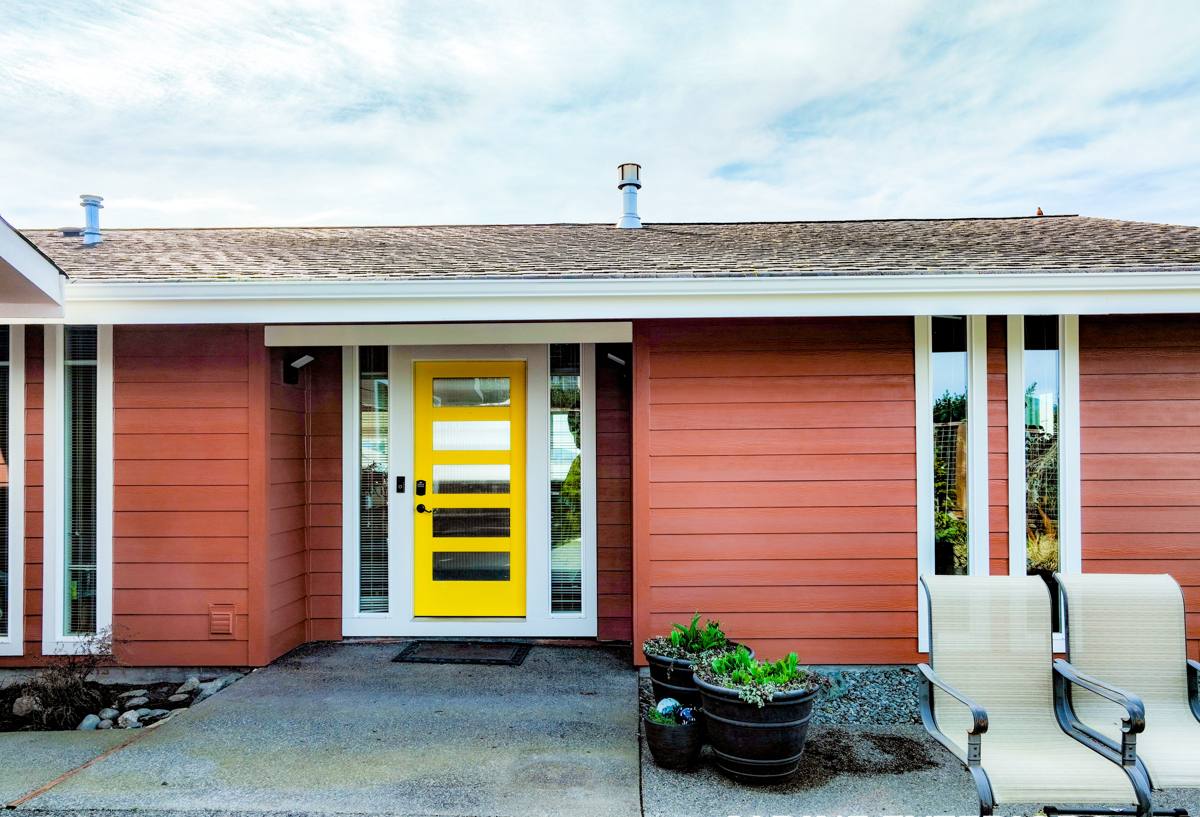
What Salt Air, Driving Rain, and Moss Season Actually Do to a Window
Whatcom County's marine climate means Birch Point homes deal with three things year-round: salt-carrying wind off the Strait, rain that comes in sideways during winter storms, and a long stretch of damp, low-sun months where moss and algae get a foothold on anything that stays wet. Each of these stresses windows in a specific way:
- Salt air accelerates corrosion on hardware, hinges, and cheaper aluminum components — the kind of slow damage you don't notice until a window won't latch properly anymore.
- Driving rain tests flashing and sealant details at the window's edges far harder than a calm-climate install ever gets tested. A window that's "fine" on a still day can still leak under wind-driven rain if the flashing was done wrong.
- Long damp seasons keep wood sills and trim wet for longer stretches, which is exactly the condition moss, mildew, and rot need to take hold.
None of this means Birch Point homes need exotic materials. It means the glass package, frame material, and — more than either of those — the installation details need to be chosen with this specific exposure in mind, not just picked off a standard order sheet.
What "Energy-Efficient" Should Mean for a Home Out Here
The Glass Package
Energy efficiency starts with the glass, but out at Birch Point it's doing double duty: keeping heat in during the cold months and keeping condensation off the interior surface, which is a bigger issue near the water than it is inland. A double-pane unit with a low-E coating and an argon gas fill is the standard baseline for this region. The specific coating and gas-fill spec matters less than making sure the spacer system between the panes — the part that seals the gas in — is rated for a marine environment and won't fail early from the salt exposure.
The Frame Material
Frame choice is where a lot of the long-term performance actually gets decided. Vinyl, fiberglass, and clad-wood frames each handle salt air and moisture differently, and the "best" one depends on your home's exposure, your budget, and how much upkeep you want to sign up for.
Installation Details That Matter More Than the Window Itself
You can buy a top-tier window and still end up with a leak, a draft, or early rot if the flashing, sill pan, and sealant work around it isn't done correctly. This is the single biggest factor in how a window performs on a wind-exposed lot, and it's the part that's easiest for an out-of-town or inexperienced crew to get wrong.
Comparing Frame Materials for a Coastal Whatcom County Home
| Frame Material | How It Handles Salt Air & Moisture | Upkeep | Typical Trade-Off |
|---|---|---|---|
| Vinyl | Won't corrode; performs well in salt exposure | Low — occasional cleaning | Frame color and size options are more limited than fiberglass |
| Fiberglass | Very stable in temperature swings and moisture; excellent coastal performance | Low | Higher upfront cost than vinyl |
| Aluminum-clad wood | Attractive, warm interior look; exterior clad protects the wood, but any breach in the cladding invites moisture into the wood underneath | Moderate — exterior finish and seals need periodic checking | More installation-sensitive in a wind-driven-rain climate |
| Bare wood | Poor fit for direct salt/wind exposure without diligent maintenance | High | We generally steer Birch Point clients away from this on exposed elevations |
For most Birch Point homes we recommend vinyl or fiberglass on wind- and water-facing elevations, where corrosion resistance and low maintenance matter most. Wood or clad-wood can still make sense on more sheltered sides of a house where appearance is the priority and exposure is lower — that's a conversation worth having room by room, not window by window off a single spec.
Our Installation Process
The window itself is maybe a third of what determines how it performs long-term. The rest is in how it goes in. On every Birch Point job we:
- Inspect the existing rough opening for hidden water damage or rot before anything gets ordered — this is common enough near the water that we don't skip it, and it can change the scope of the job.
- Install a proper sill pan flashing so any water that does get past the window has somewhere to drain, rather than sitting against the framing.
- Integrate the window flashing with the existing house wrap or weather-resistive barrier in the correct shingle-lap order, so water sheds down and out rather than behind the siding.
- Use sealants and backer rod rated for the temperature range and UV exposure of this region, applied at the joints that actually see wind-driven rain.
- Insulate the gap between the window frame and the rough opening properly — a gap that's packed too tight or left too loose both hurt the window's real-world efficiency, regardless of what the glass is rated for.
This is the same sequence a good crew should follow anywhere, but the margin for error is smaller on a lot that takes direct wind and rain off the water. Skipping or rushing any one of these steps is usually where a "new window" leak two winters later comes from.
Signs Your Current Windows Are Working Against You
You don't need to replace every window in the house at once. A room-by-room or elevation-by-elevation approach is often the more sensible way to budget this out. Here's what tells us a window is worth prioritizing:
- Visible condensation or fogging between the panes — the seal has failed and the gas fill is gone.
- Hardware that's stiff, corroded, or won't latch snugly anymore.
- A draft you can feel at the frame edge on a windy day, even with the window closed and locked.
- Soft or discolored wood trim or sill, especially on the side of the house facing the water or prevailing wind.
- Moss or dark staining building up on the sill or bottom frame that keeps coming back after cleaning.
- Interior paint or drywall near the window showing bubbling, staining, or a musty smell.
- A noticeable jump in heating costs during the winter storm months compared to a similar-sized room elsewhere in the house.
Why It Matters That the Crew Already Works Birch Point
A lot of window problems on the water side of Blaine trace back to an install crew that treated the job like any other in Whatcom County, without accounting for the extra wind and salt exposure specific to this stretch of shoreline. A crew that regularly works Birch Point already knows which elevations of a typical local home take the worst weather, what the existing housing stock out here tends to have for original flashing and sheathing, and where past installs in the area have run into trouble. That familiarity shows up in fewer surprises once the old window comes out and in flashing and sealant choices that are matched to this specific exposure rather than a generic default.
It also matters for something more practical: timing. Wind-driven rain doesn't wait for a convenient afternoon in this part of Whatcom County, and a crew that knows the local weather patterns plans the job — and protects the open wall — accordingly.
Permits and What to Expect on the Schedule
Straight window replacements (same size, same opening) are typically a more straightforward permitting situation than a full opening resize, but requirements can vary by jurisdiction and by whether your home is in an area with additional shoreline or environmental review. We'll confirm what's actually required for your property before work starts rather than assuming. On the scheduling side, we plan installs around weather windows deliberately — an opening left exposed during an unexpected squall off the water is exactly the kind of risk we're trying to design out of the process from the start.
If your Birch Point home has windows that fog, stick, draft, or just aren't keeping the heat in like they used to, we're glad to take a look and give you a straightforward, no-pressure estimate — use the form below to get started.