 Blaine Siding
 Window Replacement for the Peace Arch Area of Blaine
Homes near the Peace Arch border crossing sit in one of the more exposed pockets of Whatcom County. You're close to the water, close to the border, and squarely in the path of weather systems that roll in off the Strait with very little to slow them down. Windows here take a beating that homes even a few miles inland don't see in the same way. When we replace windows in this part of Blaine, we're not just swapping old glass for new — we're addressing a specific set of conditions: salt-laden air, wind-driven rain that finds every weak seal, and a moss and mildew season that stretches longer than most homeowners expect.
This page covers what we look at, what a correct installation involves, and why a crew that already works this neighborhood tends to catch things a general contractor passing through might miss.
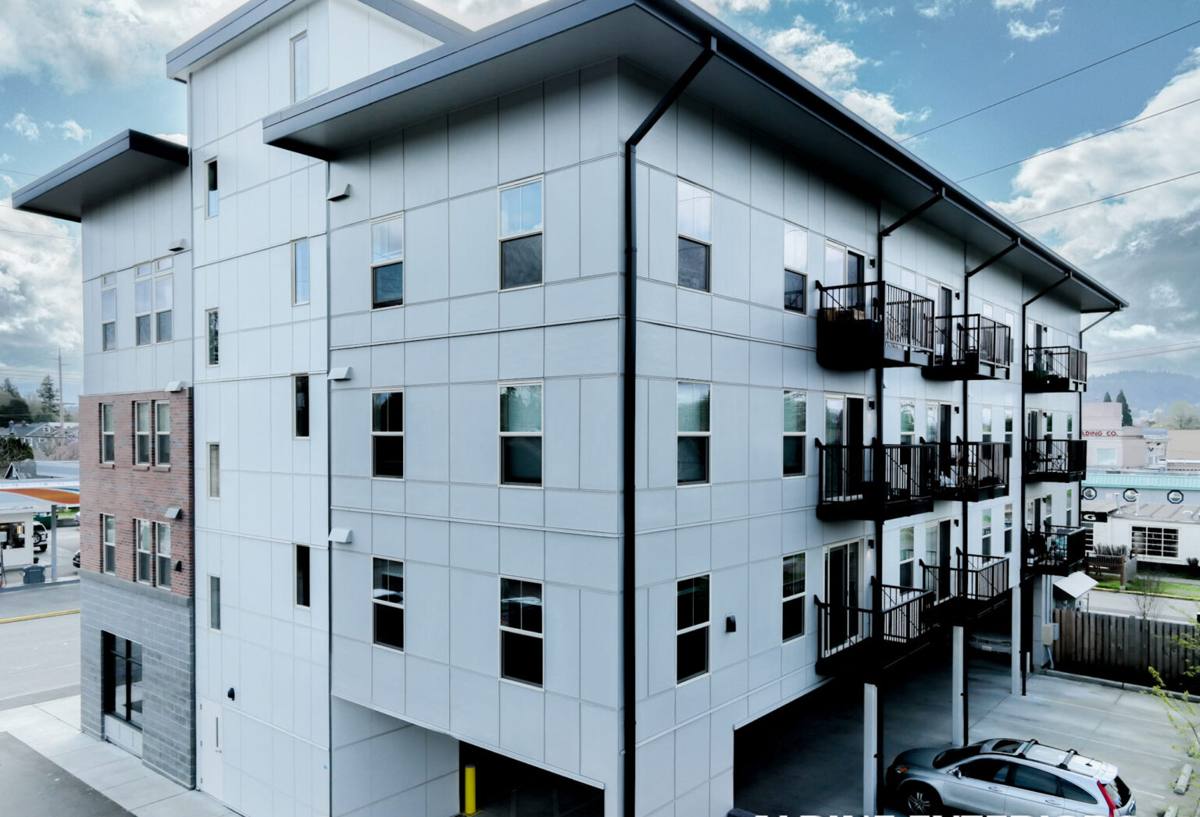
What Peace Arch's Climate Actually Does to Windows
Salt Air and Metal Fatigue
Proximity to Semiahmoo Bay and the Strait of Georgia means a steady drift of salt-bearing air moving through the area, especially on windier days. Salt accelerates corrosion on aluminum window hardware, screen frames, and older steel fasteners. It also breaks down certain sealants faster than inland exposure would. Over years, this shows up as pitted hardware, stiff or seized cranks on casement windows, and cloudy corrosion staining around frame edges.
Driving Rain and Wind Pressure
Blaine gets rain that doesn't just fall — it's pushed sideways by wind coming off open water. That matters because a lot of window failures aren't about the glass at all; they're about water finding a path around the frame under pressure. A window that's fine in a light, straight-down rain can leak under wind-driven rain if the flashing, sill pan, or perimeter sealant isn't done right. This is the single most common failure point we find on older homes in this area.
A Long Moss and Mildew Season
Whatcom County's damp, mild winters mean moss and mildew have far more months to establish themselves than in drier climates. Around windows, this shows up as dark streaking below sills, soft or spongy trim, and moss gaining a foothold in any spot where wood stays wet longer than a day or two. Once moisture gets behind a window frame and moss or fungus takes hold, you're often looking at rot in the wall framing, not just a cosmetic problem.
Signs Peace Arch Homeowners Should Watch For
- Fogging or a hazy film between panes — the seal on the insulated glass unit has failed
- Drafts you can feel with a hand near the frame on a windy day
- Soft, spongy, or discolored wood trim around the window exterior
- Difficulty opening, closing, or locking — often hardware corrosion, sometimes frame warping
- Dark streaking, moss growth, or a persistent musty smell near a window during wet months
- Visible daylight or gaps where the frame meets the siding
- Condensation forming on interior glass even with normal indoor humidity
What a Correct Window Replacement Involves Here
Removal Without Hidden Damage
The old window comes out carefully so we can actually see the condition of the framing underneath. This is the point where hidden rot, past water intrusion, or failed flashing gets exposed. In a salt-air, high-rain area like this, we treat this step as non-negotiable — it's the only chance to catch a problem before it's sealed back up behind a new window for another 20 years.
Sill Pan and Flashing, Not Just Caulk
A bead of sealant is not a water management system. Correct practice is a sloped sill pan that directs any water that does get past the exterior seal back outside, plus properly lapped flashing tape integrated with the house wrap or building paper — not just applied over old siding and hoped for the best. This detail matters more here than in a sheltered inland location because wind-driven rain actively tests it.
Frame and Glass Selection for This Exposure
We lean toward corrosion-resistant hardware and frame materials that hold up to salt air without pitting or seizing, and glass packages suited to a marine-influenced climate — dual-pane at minimum, with attention to seal quality since failed seals are the most common complaint we see in older installs near the water. We'll walk through the honest trade-offs between vinyl, fiberglass, and clad-wood frames for this specific exposure rather than pushing one product as a universal answer.
Sealing the Exterior Properly
Exterior sealant and trim work get finished so there's no ledge, gap, or joint where water can sit. In a moss-prone climate, standing moisture is what starts the cycle of organic growth and rot, so the goal is a finished exterior that sheds water cleanly and dries out fast after a storm.
Comparing Frame Materials for a Salt-Air, High-Rain Exposure
| Frame Material | Salt Air Behavior | Maintenance | Typical Trade-Off |
|---|---|---|---|
| Vinyl | Won't corrode; UV can affect color over many years | Low | Budget-friendly; frame flexes more in large sizes |
| Fiberglass | Very stable, resists pitting and expansion/contraction | Low | Higher upfront cost; strong long-term value near water |
| Aluminum | Prone to corrosion and pitting in salt air without coatings | Moderate to high | Thin sightlines, but our least-recommended option for this exposure |
| Clad-wood | Good if cladding is intact; wood core vulnerable if breached | Moderate | Best interior appearance; depends on flawless installation |
Our Process for a Peace Arch Job
1. On-Site Assessment
We look at every window being considered, check for existing water damage or hidden rot, and assess how exposed the home is based on its orientation to prevailing wind and rain — a south or west-facing wall near open water gets treated differently than a sheltered north-facing one.
2. Honest Recommendation
Not every window needs full replacement. Sometimes a unit is structurally sound but has a failed seal or worn hardware. We'll tell you when a repair makes more sense than a full replacement, and when replacement is genuinely the better long-term move.
3. Installation
Old units removed, framing inspected and repaired as needed, sill pans and flashing installed correctly, new windows set plumb and level, and exterior sealing finished to shed water — not just look finished.
4. Cleanup and Walkthrough
We walk the finished work with you, operate each window, and make sure everything locks, seals, and functions the way it should before we consider the job done.
Cost Factors Specific to This Area
| Factor | Why It Matters in Peace Arch |
|---|---|
| Frame material | Salt-air exposure favors fiberglass or quality vinyl over bare aluminum |
| Hidden rot repair | Long moss season increases odds of framing damage behind older windows |
| Number of exposed elevations | South/west walls facing open water often need more attention than sheltered sides |
| Window count and size | Larger or custom-sized openings cost more than standard replacement sizes |
| Glass package | Better seals and coatings cost more upfront but reduce fogging failures over time |
We're not going to quote a number without seeing the home — exposure, existing damage, and window count vary too much house to house — but we'll give you a straightforward, itemized estimate with no pressure to decide on the spot.
Why a Crew That Already Works Peace Arch Matters
A contractor who works this specific stretch of Blaine regularly has already seen how this neighborhood's exposure behaves — which walls take the worst of the wind-driven rain, how fast moss establishes on north-facing trim, and what corrosion looks like on hardware that's been in place five or ten years. That's not something you get from a generic install checklist. It shows up in small decisions: which flashing detail to use on a given wall orientation, which frame material to steer a homeowner toward for a specific exposure, and which "almost fine" old window is actually hiding rot that needs to be dealt with now rather than in two years.
Whatcom County's coastal climate isn't uniform — a home a mile inland can have a noticeably easier time than one facing open water — and local experience is what lets us make the right call for your specific property instead of a one-size-fits-all recommendation.
Get a Straightforward, No-Pressure Estimate
If you're noticing drafts, fogged glass, sticking hardware, or trim that's starting to look rough around your windows, it's worth having someone take a real look before those small issues become a bigger repair. Use the form below to request a free estimate — we'll assess your home's specific exposure and give you an honest recommendation, no pressure either way.