 Blaine Siding
 Sandy Point Sits Right Where Siding Fails Fastest
Sandy Point is one of the more exposed pockets of the Blaine area. Homes here sit close to the water, low to the ground, and directly in the path of wind coming off the Strait of Georgia and Semiahmoo Bay. That combination — salt-laden air, near-constant humidity, and driving rain that comes in sideways during winter storms — puts more stress on exterior siding than almost anywhere else in Whatcom County. A siding product or installation detail that holds up fine a few miles inland can fail years early out here.
That's not a reason to avoid siding work in Sandy Point — it's a reason to be more deliberate about what goes on the wall and how it's installed. This page walks through what a correct siding installation looks like for this specific stretch of coastline, not siding installation in general.
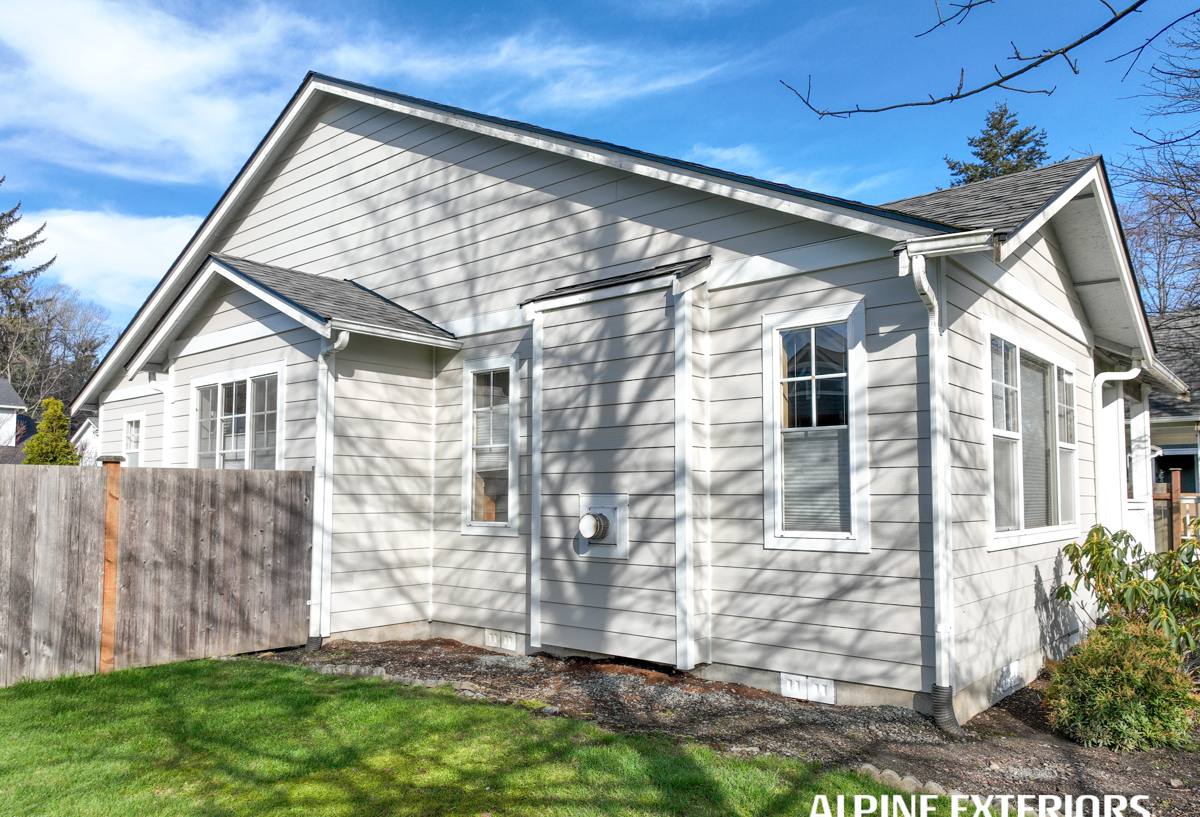
What Salt Air, Rain, and Moss Season Actually Do to a House
Three climate factors define siding performance in Sandy Point, and each one attacks a house differently:
- Salt air is corrosive to exposed metal fasteners, trim flashings, and any hardware that isn't rated for coastal exposure. Over years, it also accelerates the breakdown of paint film on lower-grade siding materials, leading to chalking and color loss faster than the same product would show inland.
- Driving rain off the water doesn't fall straight down — it gets pushed sideways into wall assemblies, seams, and butt joints. Any siding installation that relies on caulk alone to keep water out, rather than proper flashing and drainage behind the cladding, is a future callback in a location like this.
- Moss season in this part of Washington runs long — often eight or nine months of the year with enough moisture and shade to keep moss and algae actively growing on north-facing and shaded walls. Moss holds water against a wall surface far longer than open air would, which matters a lot for any siding material that isn't dimensionally stable when saturated.
None of these factors are unique to Sandy Point alone, but they're all more concentrated here than in most of Blaine because of the direct water exposure and low elevation.
Why We Install Only James Hardie Fiber Cement
We don't install vinyl, LP SmartSide, or wood-based siding products on any home we work on, and that standard matters even more in a coastal setting like Sandy Point. Fiber cement is inherently resistant to moisture swelling, doesn't provide an organic food source for moss and algae the way wood-based products can, and holds paint and factory finish far longer in salt air exposure than vinyl's surface coatings typically do.
James Hardie's ColorPlus finish is baked on at the factory under controlled conditions, which gives it better long-term color retention and adhesion than field-applied paint — a real advantage when a house is getting hit with salt spray and UV reflection off open water. Hardie also engineers its HZ5 product line specifically for the Pacific Northwest's wet, moderate climate zone, which is a meaningfully different product than what gets shipped to drier regions of the country.
None of this means every siding failure in this area comes down to product choice — plenty comes down to installation quality. But starting with a material engineered for this climate gives a house a real head start.
What a Correct Installation Involves in a Coastal Environment
The siding itself is only part of the equation. In an exposure zone like Sandy Point, the installation details are what actually determine whether a house stays dry for the next 30-plus years. A correct job includes:
Water Management Behind the Siding
A drainable weather-resistive barrier and rainscreen gap behind the cladding lets any moisture that does get past the siding surface drain and dry out instead of sitting against the sheathing. This is especially important on walls facing prevailing wind and rain off the water.
Flashing at Every Penetration
Windows, doors, hose bibs, and vent penetrations all need properly lapped flashing — not just caulk — so wind-driven rain can't work its way behind the siding at these weak points. Kickout flashing at roof-to-wall intersections is non-negotiable in a climate this wet.
Correct Clearance and Fastening
Hardie siding needs proper clearance from grade, roofing, and decks to avoid wicking moisture, and fasteners need to be corrosion-resistant and driven to Hardie's specified depth — overdriven or underdriven nails are a common cause of early siding problems in high-wind coastal areas.
Caulking and Sealant as a Backup, Not a Primary Barrier
Sealant should reinforce the water management system, not substitute for it. Homes where caulk is doing the main job of keeping water out are the ones that develop rot and staining fastest in a location like Sandy Point.
Our Process, Start to Finish
We approach every Sandy Point project the same methodical way:
- On-site assessment — we look at the home's specific exposure: which walls take the worst wind-driven rain, where existing moss or moisture staining shows up, and the condition of the sheathing underneath the current siding.
- Tear-off and sheathing check — old siding comes off and we inspect for hidden rot or water damage before anything new goes up. This step matters more here than in drier parts of the county.
- Weather barrier and rainscreen installation — a drainable house wrap and furring or rainscreen system goes on before any siding, giving the wall assembly a way to dry.
- Flashing at all penetrations — windows, doors, and roof intersections get flashed to shed water outward, not trap it.
- Hardie installation to manufacturer spec — correct fastener type, spacing, and clearance, following James Hardie's published installation requirements for this climate zone.
- Final walkthrough — we go over caulking, trim, and touch-up paint with the homeowner before calling the job done.
Choosing the Right Hardie Line and Color
James Hardie's HZ5 products are the standard fit for this climate zone, engineered for regions with regular freeze-thaw cycles and sustained moisture — which describes Sandy Point well. Beyond the technical fit, color and profile choice matters for a coastal home:
- Lap siding is the most common choice and performs well in wind-driven rain when installed with correct overlap and fastening.
- Board and batten gives a vertical, coastal-cottage look that's popular on waterfront homes, with the same fiber cement durability.
- ColorPlus finishes in mid-tone and darker colors tend to show salt residue and water spotting less than very light colors on walls that face direct spray, though this is a cosmetic preference, not a performance issue.
Cost Factors for a Sandy Point Siding Project
Every home is different, but the factors that move the price on a coastal siding project tend to be consistent:
| Factor | Why It Matters Here |
|---|---|
| Extent of existing water damage | Hidden rot from years of coastal exposure often isn't visible until tear-off, and sheathing repair adds cost but isn't optional |
| Wall exposure and complexity | Walls facing open water need more careful flashing and detailing than sheltered walls, which affects labor time |
| Siding profile chosen | Board and batten, lap, and shingle-style Hardie products vary in material and installation cost |
| Trim and accessory scope | Coastal-grade fasteners, flashing, and trim details add cost but are what keep the wall dry long-term |
| Access and site conditions | Waterfront lots can have tighter access or staging challenges compared to inland properties |
We give a straightforward, itemized estimate after seeing the home in person — not a ballpark number that ignores the condition of what's underneath the current siding.
Living With Siding in a Salt Air, Moss-Heavy Climate
Even correctly installed fiber cement siding benefits from some routine attention in an environment like Sandy Point. A simple maintenance rhythm goes a long way:
- Rinse salt residue off exterior walls a few times a year, especially after winter storms with heavy wind off the water
- Keep gutters clear so overflow doesn't run down and stain the siding face
- Trim back vegetation and tree cover that keeps shaded walls damp and encourages moss growth
- Gently remove moss or algae on shaded walls with a soft wash rather than pressure washing directly into seams
- Inspect caulking at trim and penetrations annually, since sealant is a maintenance item even on a well-flashed wall
- Touch up any chips or scratches promptly so bare edges aren't exposed to salt air and moisture
None of this is heavy lifting, but skipping it in a climate this active shortens the life of even good siding.
Why It Matters That the Crew Already Works This Area
A crew that's installed siding elsewhere in Blaine or further inland can still do competent general work, but Sandy Point rewards familiarity with its specific exposure. Knowing which walls typically take the worst of the winter storms, how moss behaves on shaded north walls near the water, and where flashing tends to get shortchanged on older homes in this pocket of Whatcom County isn't something you get from a spec sheet — it comes from having worked the area before. That local pattern recognition shows up in better flashing decisions, smarter product placement, and fewer surprises during tear-off.
If you're weighing a siding project on a Sandy Point home, we're happy to come take a look and walk you through what we're seeing on your specific walls — no pressure, no obligation. Use the form below to request a free estimate.