 Blaine Siding
 Window Replacement in Nooksack: What Local Homes Actually Need
Nooksack sits in a part of Whatcom County where the weather doesn't do anything halfway. Winters bring long stretches of driving rain, spring and fall bring wind off the surrounding lowlands, and shaded, tree-lined lots stay damp long enough to grow moss on anything that isn't properly ventilated. Add in the marine air that moves through this corner of the county near the Canadian border, and you've got a climate that is genuinely hard on windows — especially older ones that were never built or installed to handle it.
A lot of window replacement advice online is written for a generic house in a generic climate. That's not much use here. This page is about what window replacement actually looks like for a home in the Nooksack area: what fails first, what a correct installation involves, and what to expect if you're planning the work.
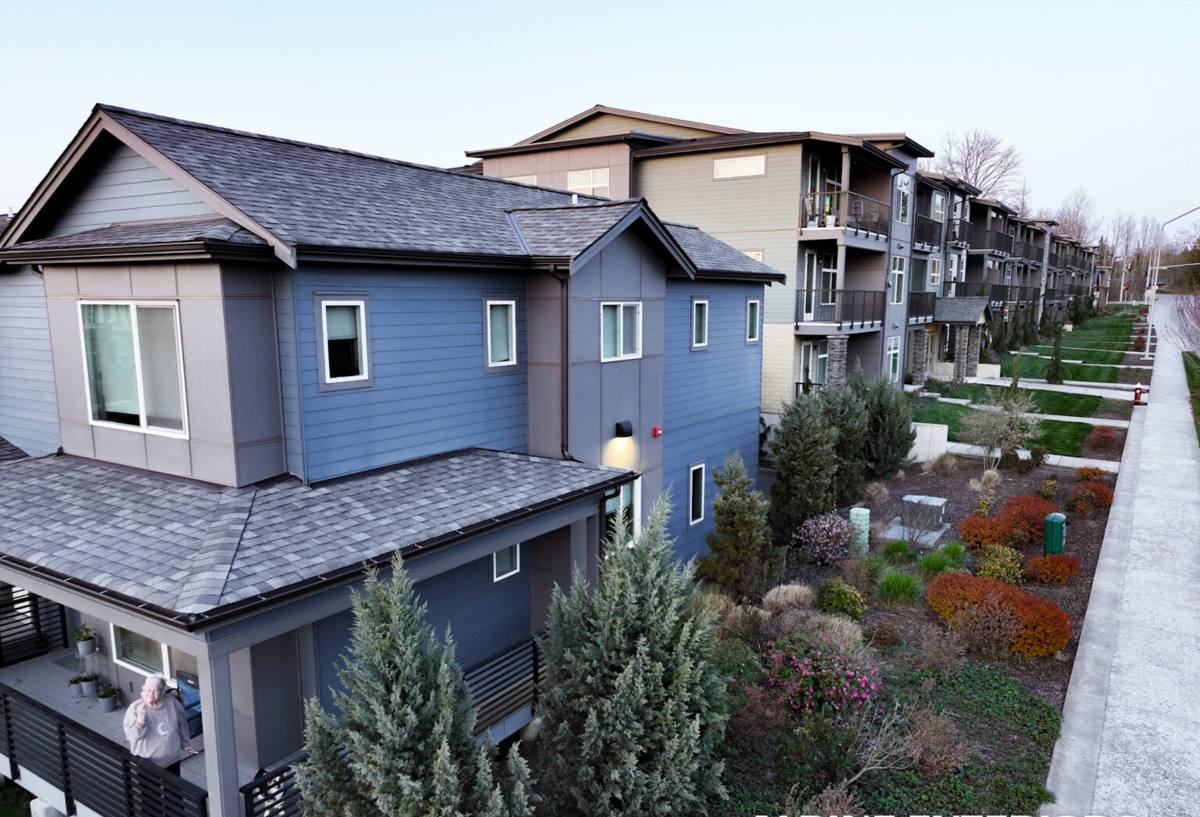
What This Climate Does to Windows Over Time
Driving rain and wind-driven moisture
Whatcom County doesn't just get rain — it gets rain pushed sideways by wind for days at a time. Older windows, especially ones without proper flashing or with degraded caulking, let that wind-driven water find its way behind the trim and into the wall framing. You often don't see it until there's staining on interior sills, soft spots in the wall below a window, or a musty smell in a room that never quite airs out.
A long moss season
Shaded lots and long wet stretches mean moss and algae get a real head start here, and it isn't just a roof problem. Moss holds moisture against wood trim and sills, and once it's established around a window frame it keeps that area damp for weeks longer than an exposed surface would stay. That constant dampness is what rots wood trim and swells vinyl frames from the outside in.
Marine air and hardware wear
This part of the county is close enough to saltwater and tidal influence that marine air reaches inland on prevailing winds. It's not the same exposure as a beachfront home, but it's enough over years to accelerate corrosion on window hardware, screen frames, and fasteners that aren't rated for a coastal-adjacent climate. Locks that stick, cranks that seize on older casement windows, and pitted aluminum trim are common signs of this slow, cumulative wear.
Signs a Nooksack Home Needs Window Replacement, Not Just Repair
Not every window problem means full replacement. But in this climate, certain signs mean the window's ability to keep water and air out has already failed, and patching won't hold for long.
- Fogging or a hazy film between the panes of a double-pane window — the seal has failed and the gas fill is gone
- Wood trim or sill that's soft, spongy, or visibly rotting when pressed
- Persistent condensation on the inside of the glass during cold, wet weeks
- Drafts you can feel with a hand near the frame on a windy day
- Windows that are difficult to open, close, or lock — often a sign the frame has swollen or warped
- Moss or dark staining building up in the corners of the frame or sill year after year
- A noticeable rise in heating costs with no other explanation
- Peeling paint or bubbling finish on the interior trim near the glass
If you're seeing two or more of these on the same window, replacement is almost always the more honest recommendation than another round of caulk and paint.
What a Correct Window Replacement Job Involves
Full-frame versus insert replacement
There are two basic approaches. An insert (or "pocket") replacement fits a new window into the existing frame, which is faster and less invasive, but only makes sense when that existing frame is still solid and properly flashed. A full-frame replacement removes the window down to the rough opening, so the crew can inspect and, if needed, repair the framing, sheathing, and flashing underneath. In a climate that drives water behind trim the way this one does, we don't recommend an insert replacement on a frame that shows any sign of past water intrusion — it just seals old problems back inside the wall.
Flashing and moisture barrier detail
This is the part of the job that matters most and shows the least once it's done. Proper flashing directs any water that gets past the window down and out, not into the wall cavity. That means correctly lapped house wrap, sill pan flashing under the window, and head flashing above it, installed in the right order so water always sheds outward. Skipping or rushing this step is the single most common reason a "new" window still leaks two winters later.
Sealing and insulation at the rough opening
Once the window is set, the gap between the frame and the rough opening needs to be sealed and insulated correctly — not packed tight with rigid foam, which can bow the frame, and not left as an open gap, which lets air and moisture through. Low-expansion foam or backer rod and sealant, applied properly, keeps the window performing the way it's rated to.
Exterior trim and finish work
Given how much moss and moisture pressure this area sees, the trim and finish details around a new window matter almost as much as the window itself. That includes back-priming or sealing cut edges of trim, keeping a drainage gap where the trim meets the siding, and using fasteners and hardware rated for a damp, marine-influenced climate rather than standard interior-grade materials.
Choosing Windows for a Nooksack Climate
There isn't one "best" window for every home — it depends on the house, the budget, and how exposed a given elevation is to wind and rain. Here's how the common options stack up for this specific climate.
| Frame Material | How It Handles This Climate | Maintenance |
|---|---|---|
| Vinyl | Good moisture resistance, doesn't rot; quality varies a lot between grades | Low — occasional cleaning |
| Fiberglass | Very stable in temperature swings and wet conditions; holds up well long-term | Low |
| Wood (clad exterior) | Excellent interior look, but exterior wood needs protection from constant rain and moss exposure | Moderate to high — finish upkeep matters here |
| Aluminum | Prone to condensation and, over years, to corrosion from marine air unless well-coated | Moderate |
For most homes in this area, we lean toward vinyl or fiberglass frames on exposed elevations, and reserve wood-look or wood-clad options for covered or less weather-exposed sides of the house where the finish isn't taking a direct beating every winter.
Glass and pane options
Double-pane windows with a low-E coating are the practical baseline for this climate — they cut heat loss and reduce condensation compared to older single-pane or basic double-pane glass. Triple-pane adds another layer of insulation and can be worth it on north-facing or particularly exposed walls, but it adds weight and cost, so it's worth deciding room by room rather than defaulting to it everywhere.
Our Process for Nooksack Window Replacement
1. On-site assessment
We look at each window individually, not just the house as a whole. A window on a covered, protected wall may need a different approach than one on the side that takes the brunt of the weather.
2. Honest scope and estimate
We tell you plainly whether a window needs insert or full-frame replacement, and why, based on what we find at the frame and sill — not based on which option is easier for us to sell.
3. Removal and inspection
Old windows come out carefully so we can actually see the condition of the framing and flashing underneath before anything new goes in. This is where hidden moisture damage, if any, gets caught.
4. Correct installation
New windows go in plumb, level, and square, with flashing and sealing done in the right sequence — not just caulked around the edges and called finished.
5. Final walkthrough
We walk the job with you, open and close every window, and confirm the exterior trim and finish work meets the standard we'd want on our own home.
What Window Replacement Typically Costs
Costs vary by window size, material, glass package, and whether the job is insert or full-frame. Rather than quote a single number that won't fit most homes, here's what actually drives the price up or down.
| Cost Factor | Effect on Price |
|---|---|
| Insert vs. full-frame replacement | Full-frame costs more due to added labor and any framing repair, but is often necessary here |
| Frame material | Vinyl is typically the most affordable; fiberglass and wood-clad cost more |
| Glass package (double vs. triple pane, low-E coatings) | Upgraded glass adds cost but improves comfort and energy performance |
| Hidden moisture or rot damage | Repair work at the rough opening adds cost, but skipping it just moves the problem down the road |
| Number and size of windows | Larger openings and specialty shapes cost more per unit than standard sizes |
We'd rather walk through these factors with you on your specific home than throw out a broad-range number that doesn't mean much until we've actually looked at your windows.
Why It Matters to Hire a Crew That Already Works This Area
A window that's correctly installed for a drier, milder climate isn't automatically correct for Whatcom County. Flashing details, sealant choices, and even how much drainage gap to leave behind trim all need to account for the amount of driving rain and sustained dampness this area gets. A crew that installs windows in Nooksack and the surrounding communities regularly knows which details actually matter here versus which ones are just textbook standard for somewhere drier.
That local experience also means we're not guessing at how a house in this area typically ages — where moss tends to build up, which elevations take the worst of the wind, and what kind of moisture damage tends to hide behind older trim. That's the difference between a window that looks right on installation day and one that's still performing correctly five winters from now.
If you're weighing window replacement for a home in the Nooksack area, we're happy to take a look and give you a straightforward, no-pressure estimate — no guesswork, no upsell, just an honest read on what your windows actually need. The form below is the easiest way to get started.