 Blaine Siding
 Deck Building in Peace Arch: Built for a Coastal Whatcom County Climate
Peace Arch sits close enough to the water that salt air is part of daily life, and that changes what a deck needs to survive here. A deck built to a generic national spec might look fine for a year or two, then start showing rust bleed at the fasteners, soft spots at the ledger, or green film across the boards by the second or third winter. A deck built for this specific stretch of Whatcom County coastline is a different project from the start — different fasteners, different flashing details, different attention to drainage and airflow underneath.
We build and repair decks throughout the Blaine area, and Peace Arch's combination of salt-laden air off the water, frequent driving rain, and a moss season that can run eight months or more is something we plan for on every job, not something we discover after the fact.
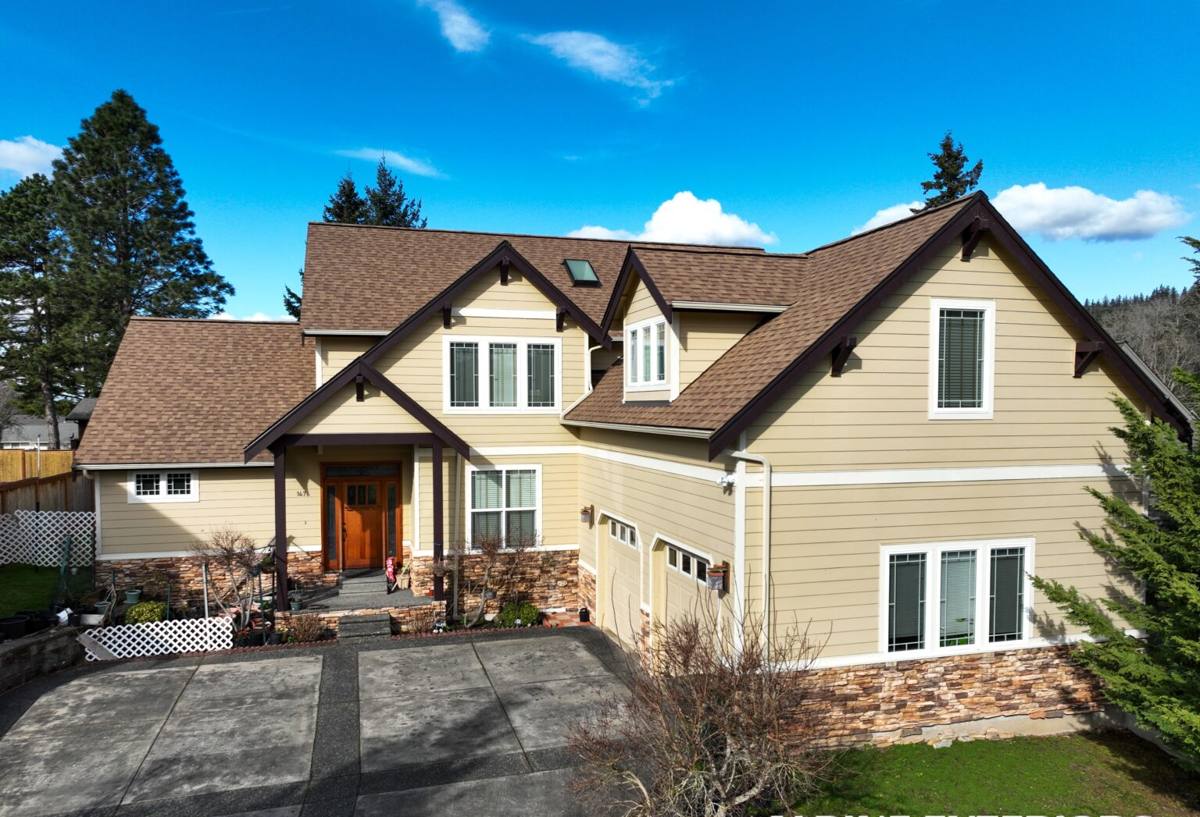
What Salt Air, Driving Rain, and Moss Actually Do to a Deck
Each of these three factors attacks a deck differently, and understanding the failure mode is what lets us design around it.
Salt Air and Corrosion
Airborne salt accelerates corrosion on any exposed metal — deck screws, joist hangers, structural bolts, railing hardware. Standard electro-galvanized fasteners can start showing rust streaks within a season or two this close to the water. Once a fastener starts corroding, it loses holding strength long before the wood around it looks damaged, which is why a deck can seem structurally sound right up until it isn't.
Driving Rain
Wind-driven rain doesn't fall straight down — it gets pushed sideways into ledger boards, under railing caps, and into any gap where end grain is exposed. Water that gets behind flashing or into an unsealed cut edge doesn't dry out quickly in our climate, and that's where rot starts, almost always from the inside out where you can't see it until the damage is advanced.
Moss and Prolonged Dampness
A long moss season means deck boards, especially anything shaded by trees or the house itself, stay damp for extended stretches. Moss holds moisture against the wood surface and makes boards slick and slippery underfoot. Left untreated, it also traps organic debris in the gaps between boards, which further slows drying and accelerates rot at board edges.
Getting the Foundation and Drainage Right
A deck's substructure is the part almost nobody thinks about, and it's the part that determines whether the deck is still solid in fifteen years. In this climate, three things matter most:
Footings Below Frost Depth and Set for Local Soil
Footings need to be sized and set to local frost depth and soil conditions, not just poured to a minimum spec. Whatcom County soils can hold moisture longer than people expect, and a footing that isn't properly drained can shift over time as the ground around it saturates and dries repeatedly through the wet season.
Airflow Underneath
Low decks built tight to grade with poor ventilation underneath trap moisture against the joists and the underside of the decking. We build in enough clearance and, where the site allows it, drainage paths so air can actually move under the deck instead of holding damp air against the framing all winter.
Slope and Water Management
The deck surface itself needs a slight slope away from the house so water sheds instead of pooling, and where a deck sits over living space or a patio below, proper waterproof decking membranes and flashing at the ledger are not optional extras — they're the difference between a dry space below and a slow leak you won't notice until there's a stain on the ceiling.
Choosing the Right Decking Material for Peace Arch
There's no single "best" decking material — the right choice depends on how much maintenance a homeowner actually wants to do, budget, and how exposed the deck is to sun, salt air, and shade-driven dampness. We walk through the honest trade-offs rather than pushing one product.
| Material | How It Handles This Climate | Maintenance | Typical Lifespan |
|---|---|---|---|
| Pressure-Treated Fir/Pine | Good structural performance when properly sealed; needs re-sealing to resist moisture and moss | Annual cleaning, re-stain/seal every 2-3 years | 15-20 years with upkeep |
| Cedar | Naturally moisture- and insect-resistant, ages gracefully, but still needs sealing near salt air | Cleaning plus periodic oil/sealant | 20-25 years with upkeep |
| Composite Decking | Resists rot and moss buildup well; some early-generation products struggled with moisture at cut ends if not capped properly | Periodic washing, minimal sealing | 25-30+ years, varies by product line |
| PVC Decking | Fully synthetic, very strong moisture resistance, holds up well to salt exposure | Occasional washing | 25-30+ years |
For homes closer to the water or with heavy tree shade, we generally steer homeowners toward composite or PVC decking, or well-sealed cedar, because the moisture and moss resistance saves real maintenance time over the life of the deck. For sunnier, more open lots, a well-maintained pressure-treated or cedar deck can perform very well and costs less up front.
The Details That Actually Fail First
Most deck problems we get called out to repair aren't the decking boards themselves — they're the connection points and hidden details that were rushed or built to a lower spec than the climate demands.
- Ledger flashing: The strip where the deck attaches to the house is the single most common source of hidden rot. It needs proper metal flashing integrated with the house's water-resistive barrier, not just caulk.
- Fastener grade: We use stainless steel or high-grade coated fasteners and hardware rated for coastal exposure, not standard interior-grade hardware that will show corrosion within a season or two.
- Joist hangers and structural hardware: Same logic as fasteners — hardware needs a corrosion rating suited to salt air, especially on decks facing prevailing wind off the water.
- End-grain sealing: Every cut end of a board is a moisture entry point until it's sealed. This is a small step that's easy to skip and expensive to fix later.
- Board spacing: Gaps that are too tight trap debris and moss-feeding organic matter; gaps that are too wide feel unstable underfoot. Getting this right also matters for drainage.
- Railing post attachment: Railings take real lateral load and need to be through-bolted into structural framing, not just screwed to the rim joist.
Our Deck Building Process
We keep the process straightforward and make sure the homeowner understands what's happening at each stage, especially the parts that end up buried once the deck is finished.
1. On-Site Assessment
We walk the site, look at sun and shade exposure, drainage patterns, proximity to the water, and any existing structure we're tying into. This tells us which materials and details make sense for that specific lot.
2. Design and Material Selection
We talk through decking material, railing style, and layout, with the real maintenance trade-offs laid out honestly so the decision fits the homeowner's budget and how much upkeep they want to do.
3. Permitting
Deck projects in Blaine and unincorporated Whatcom County generally require a permit, particularly for decks above a certain height or attached to the structure. We handle the permit process as part of the job so the work is inspected and compliant.
4. Footings and Framing
This is where the climate-specific decisions happen — footing depth, joist spacing, hardware grade, ledger flashing. It's the least visible part of the job and the most important for longevity.
5. Decking, Railing, and Finish
Boards go down with proper spacing and sealed cut ends, railings are through-bolted into structural framing, and any stain or sealant is applied per the manufacturer's spec for our climate.
6. Final Walkthrough
We walk the finished deck with the homeowner, cover basic maintenance expectations for the material chosen, and make sure everything is squared away before we consider the job done.
Permits and Code Considerations Near Blaine
Deck projects that attach to the home, exceed a certain height above grade, or sit near property lines typically need a building permit and are subject to setback and guardrail requirements. Decks near shoreline areas can also fall under additional review depending on proximity to critical areas or the water. We handle the permitting and inspection process as part of the build so homeowners don't have to navigate it themselves, and so the finished deck is actually compliant rather than something that creates a problem at resale.
Maintaining a Deck Through a Peace Arch Winter
Even a well-built deck needs some seasonal attention in this climate. A little consistency goes a long way toward avoiding the bigger repairs.
- Clear leaves and debris from between boards regularly, especially in fall, so moisture and organic matter don't sit trapped against the wood.
- Rinse or lightly scrub moss and algae off the surface before it builds up into a slip hazard, particularly on shaded sections.
- Check fasteners and railing connections once a year for early rust or looseness — catching it early is a small fix, catching it late is a bigger one.
- Reseal or re-stain wood decking on the schedule appropriate to the product — waiting too long lets moisture back into the grain.
- Keep gutters and downspouts near the deck clear so runoff isn't dumping extra water onto or under the structure.
- Inspect the ledger flashing area periodically for any sign of staining or soft wood, since that's the most common hidden failure point.
Why Hire a Crew That Already Works Peace Arch
A deck built to a generic spec sheet doesn't account for what this specific stretch of coastline does to fasteners, framing, and finish over time. Crews who work in Peace Arch and the broader Blaine area regularly see how decks age here — which hardware holds up, which details fail first, and how long different decking materials really last once salt air and a long wet season get involved. That local track record shapes real decisions: fastener grade, flashing details, drainage design, and honest material recommendations, rather than a one-size-fits-all build that looks the same whether it's going up here or somewhere with a completely different climate.
If you're planning a new deck or need an existing one assessed for hidden moisture or hardware issues, we're happy to take a look and talk through options with no pressure. Use the form below to request a free estimate for your Peace Arch property.