 Blaine Siding
 Windows Built for Cherry Point's Marine Exposure
Cherry Point sits right up against the Strait of Georgia, and homes here take weather straight off the water — wind-driven rain, salt-laden air, and a damp season that runs long even by Whatcom County standards. Windows in this kind of exposure work harder than windows almost anywhere else in the area. A window that performs fine in a sheltered inland neighborhood can fail early here if it wasn't chosen and installed with this specific climate in mind. This page covers what actually matters for energy-efficient window replacement in Cherry Point: the materials that hold up, the glazing that earns its keep, and the installation details that keep water out of your walls.
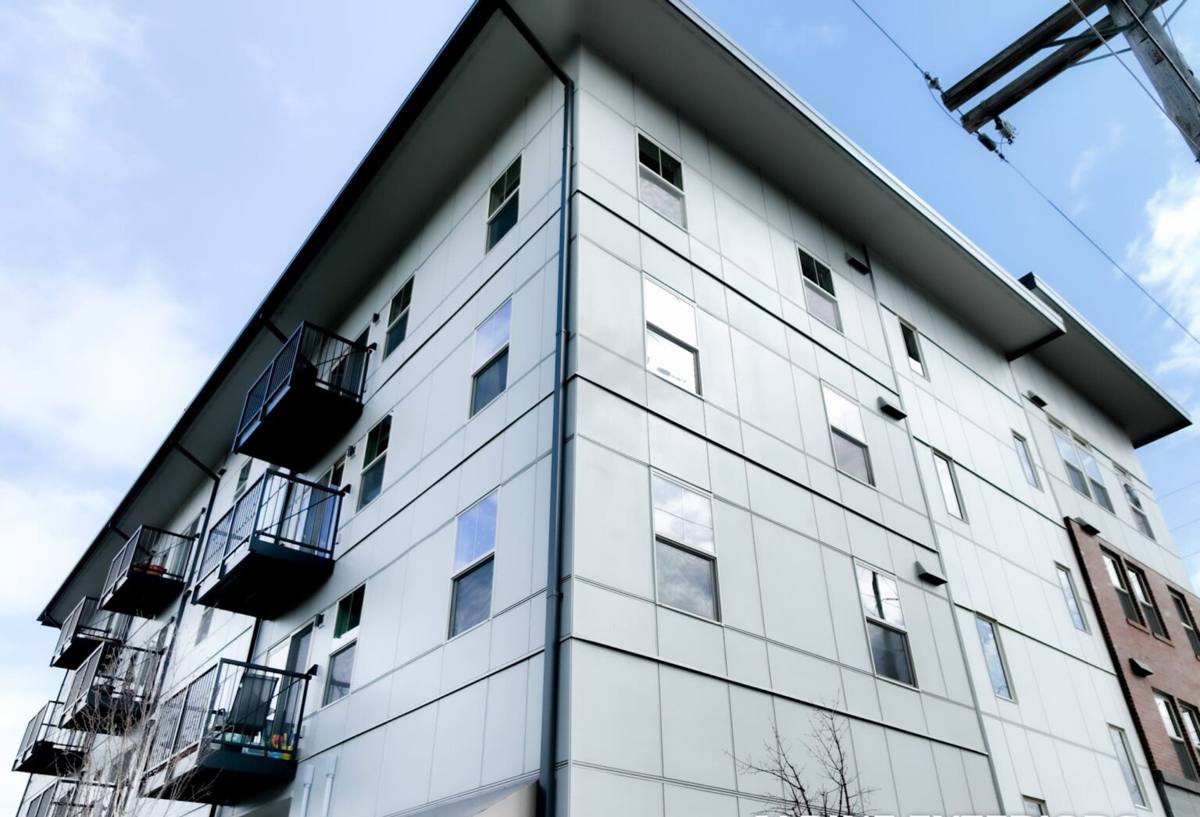
What Driving Rain and Salt Air Do to a Window Over Time
Wind-Driven Rain
Open water exposure means rain doesn't just fall here — it gets pushed sideways into siding and window openings during winter storms. Any weak point in a window's seal, flashing, or sealant joint becomes a path for water. Over a few seasons, that shows up as soft trim, stained drywall below a sill, or a musty smell that won't go away no matter how much you clean.
Salt Air and Corrosion
Salt in the air accelerates corrosion on anything metal — hardware, hinges, screws, and especially uncoated aluminum frames. It also breaks down some sealants and finishes faster than a typical inland install would predict. None of this means windows can't hold up near the water; it means the material choices and installation details need to account for it from the start, not get treated as an afterthought.
Frame Materials That Hold Up Near the Water
Frame material matters more here than in most parts of the county. The table below is a general guide, not a brand recommendation — the right choice depends on your home's exposure, existing trim, and budget.
| Frame Material | Salt Air / Corrosion Resistance | Maintenance | Relative Cost |
|---|---|---|---|
| Vinyl | Very good — won't rust or pit | Low | Lower |
| Fiberglass | Very good — stable and corrosion-proof | Low | Mid to higher |
| Wood-clad | Good on the clad exterior; interior wood needs protection from any leaks | Moderate | Higher |
| Uncoated aluminum | Poor this close to the water — prone to pitting and corrosion over time | Higher | Lower up front |
As a matter of our own professional standard, we steer Cherry Point homeowners away from uncoated aluminum frames for this reason — not because aluminum is a bad product everywhere, but because the maintenance burden and corrosion risk right on the water make it a poor long-term fit for this specific exposure. Vinyl and fiberglass both handle salt air well and are what we recommend most often out here.
Glazing That Actually Earns Its Keep in This Climate
Whatcom County's marine climate doesn't hit the deep-freeze temperatures you'd see east of the mountains, so the efficiency conversation here is less about extreme cold and more about controlling drafts, condensation, and steady heat loss through a long, wet, mild winter.
- Double-pane, argon-filled, low-E glass is the practical baseline for this climate and covers most homes' needs without paying for more than the weather calls for.
- U-factor, which measures how much heat escapes through the window, is the number that matters most for energy bills here — lower is better.
- Condensation resistance matters more in Cherry Point than in a drier inland location, because of how much moisture sits in the air during moss season. A window with poor condensation resistance will fog and drip on the inside, which stains sills and can feed mold growth.
- Triple-pane glass is available but rarely necessary for this climate zone — it adds cost and weight without a proportional efficiency gain unless a specific room has an unusual exposure problem.
Moss Season and Water Management: Where Most Window Failures Start
Whatcom County's long moss season means extended stretches where exterior surfaces stay damp — and damp surfaces that don't drain properly are exactly where window failures start, whether or not moss itself is visible on the frame. This is where window replacement overlaps with our core trade as a siding contractor: a window is only as good as how it's integrated into the wall around it.
A correctly installed window in this climate includes:
- A sloped sill pan under the window opening so any water that gets past the frame drains back out, not into the wall cavity.
- A back dam at the interior edge of the sill pan to stop water from migrating further inward.
- Flashing tape and building paper integrated in the correct shingle-lap order, each layer overlapping the one below it, so water sheds down and out and never up and in.
- Sealant at the right joints only. Sealing every seam solid sounds thorough but can trap water inside the wall if the window doesn't have a way to drain and dry.
- Proper tie-in with the surrounding siding and weather-resistive barrier, so the window isn't just sitting in the opening but is part of one continuous water management system for that wall.
Skip any of these steps and you can install the most efficient window on the market and still end up with rot, mold, or a failed seal within a few seasons, especially given the wind-driven rain this area sees off the water.
How We Approach a Window Replacement in Cherry Point
- On-site assessment of existing windows, framing condition, and any signs of past water intrusion around openings.
- Precise measurement and product selection based on frame material, glazing package, and how exposed that particular wall or elevation is to wind and rain.
- Careful removal of the old window with inspection of the sheathing and framing underneath before anything new goes in, since this is where hidden rot from years of moisture gets caught.
- Any needed repair of damaged sheathing or framing, done before the new window is set and never simply covered over.
- Installation of sill pan flashing, a back dam, and properly lapped flashing tape around the rough opening.
- Setting, leveling, and shimming the window, with low-expansion insulation around the frame, never packed solid, since that can bow the frame and affect how it operates.
- Exterior flashing and sealant integration with the surrounding siding, restoring a continuous drainage path.
- Interior trim work and final air-sealing.
- Cleanup, haul-away of old windows and debris, and a walkthrough so you know how to operate and maintain the new windows.
What Affects the Cost of a Window Project Here
Costs vary by home, so we don't quote pricing sight unseen, but these are the factors that move the number up or down on most Cherry Point projects.
| Factor | Why It Matters |
|---|---|
| Number and size of windows | Larger openings and more windows mean more material and labor |
| Frame material | Vinyl is generally the most economical; fiberglass and wood-clad cost more up front |
| Glazing package | Standard double-pane low-E covers most needs; upgrades add cost |
| Access and story height | Second-story or hard-to-reach windows take more time and equipment |
| Hidden repair needs | Rot or water damage found once the old window is out adds scope |
| Full-frame vs. insert replacement | Full-frame replacement down to the studs costs more than an insert into a sound existing frame, but is often the right call after real water damage |
Signs Your Windows Are Underperforming
Not sure whether your windows are actually the problem, or just old? Look for these signs, especially on walls facing the water or prevailing wind:
- Noticeable draft near the window frame even when it's fully latched
- Fogging or moisture trapped between panes of double-glazed glass, a sign the seal has failed
- Condensation forming on the inside of the glass regularly during cooler months
- Windows that are hard to open, close, or lock, or that have started to sag
- Soft, discolored, or spongy trim or sill around the window
- Persistent moss, algae, or dark staining on the exterior trim around a specific window
- Single-pane original glass on an older home that's never been upgraded
- A specific room that's noticeably colder or draftier than the rest of the house
Why Hire a Crew That Already Works Cherry Point
Window replacement in a marine-exposed community like Cherry Point isn't the same job as window replacement in a sheltered inland neighborhood a few miles away. A crew that already works this stretch of Whatcom County knows which elevations take the worst of the wind-driven rain, how the local moss and moisture cycle affects trim and siding over time, and what it actually takes to keep water out of a wall for the long run, not just on install day. As a siding contractor first, we look at the whole wall system rather than just the window opening, so the flashing and integration work happens as one continuous system instead of two separate trades guessing at where the other one left off. Being local also means straightforward warranty service if you ever need us back out.
If you're dealing with drafty, foggy, or aging windows in Cherry Point, we're happy to take a look and give you a straightforward, no-pressure estimate — just fill out the form below.