 Blaine Siding
 Why Nooksack Homes Need Windows Built for This Climate
Nooksack sits inland from the salt water of Semiahmoo Bay and Drayton Harbor, but the marine air off Blaine still finds its way into this stretch of Whatcom County. Add in the region's long wet season, heavy fog off the Nooksack River lowlands, and moss that never fully takes a season off, and you've got a climate that is genuinely hard on window frames, sills, and the seals around them. This isn't a place where you can install whatever's cheapest and expect it to hold up for twenty years.
Custom windows aren't about luxury upgrades or fancy shapes for their own sake. In this area, "custom" mostly means matching the window to the actual opening, the actual wall assembly, and the actual weather exposure of that specific side of the house. A window that performs fine in a dry inland climate can fail early here if it's not detailed correctly for wind-driven rain and prolonged damp.
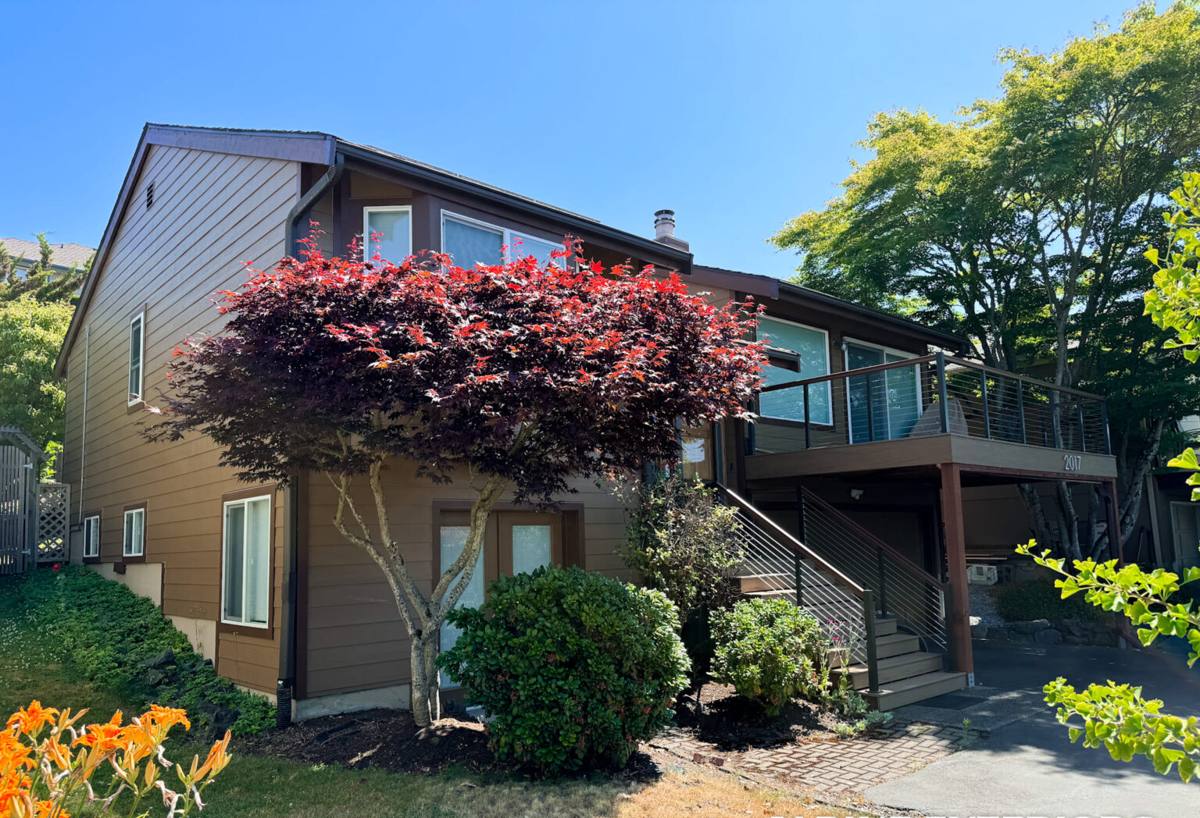
What "Custom" Actually Means for a Window Replacement
Sizing and Openings
Most homes in and around Nooksack were built over several decades, which means rough openings are rarely a standard modern size. Custom windows are built to the exact opening rather than forcing a stock size into a space with shims and filler, which is where a lot of long-term leaks start. Getting the measurement right the first time also avoids the wider trim gaps that collect moisture and moss over time.
Frame Materials
We look at frame material based on exposure, not just budget. A west- or south-facing wall that takes the brunt of driving rain off the water needs a different moisture strategy than a sheltered north wall. Vinyl, fiberglass, and clad-wood all have a place, but they behave differently once they've sat through a few wet seasons in this air.
Glass Packages
Double-pane, low-E glass is the baseline we recommend for this climate — it cuts down on condensation on the interior side during cold, damp mornings, which is one of the most common complaints we hear from homeowners with older single-pane or early dual-pane windows. Argon-filled units add a little more performance for homes with higher heating costs or rooms that stay noticeably colder than the rest of the house.
The Moisture and Rot Risks Specific to This Area
Three things drive most of the window failures we see out here: salt-laden air corroding hardware and fasteners faster than inland installs, wind-driven rain pushing water sideways into gaps that a calm-weather install wouldn't catch, and a moss season that runs long enough to trap moisture against sills and trim for months at a time. None of these are dramatic on their own, but stacked together over a few years they turn small installation shortcuts into real rot.
The most common failure point isn't the window unit itself — it's the flashing and sealant detail around it. A window can be a premium product and still leak if the water management behind the trim wasn't done correctly. That's the part of the job that doesn't show up in a showroom and is easy for a rushed crew to skip.
Our Installation Process
Assessment and Measurement
We start by inspecting the existing opening — not just the window itself, but the sill, the framing around it, and any signs of past water intrusion. If there's soft wood or old damage, that gets addressed before a new window ever goes in. Installing a good window over a compromised opening just hides the problem for a while.
Flashing and Water Management
This is where we spend the extra care that this climate demands. Proper flashing tape, correctly lapped house wrap, and a sill pan that directs any water that does get past the exterior back out instead of into the wall cavity. Given how much driving rain this area sees in the fall and winter, we treat this step as non-negotiable, not optional.
Installation Day
Windows are set plumb, level, and square, then shimmed and fastened per the manufacturer's specs — this matters for both the seal and the warranty. We check operation (opening, closing, locking) before final sealing, because it's much easier to fix an alignment issue before the trim goes back on than after.
Final Sealing and Inspection
Exterior sealant, interior insulation around the frame, and trim work close out the job. We walk the finished window with the homeowner, checking operation and answering questions about care before we consider the job done.
Frame Material Comparison for Nooksack's Climate
| Material | How It Handles Salt Air & Rain | Maintenance | Typical Lifespan |
|---|---|---|---|
| Vinyl | Good — won't rust or rot, handles damp cycles well | Low — occasional cleaning | 20-30 years |
| Fiberglass | Very good — dimensionally stable in temperature and moisture swings | Low | 30-40 years |
| Aluminum-clad wood | Good exterior protection, but any breach at joints needs prompt attention | Moderate — watch seams and caulking | 20-30 years with upkeep |
| Bare wood | Poor without diligent upkeep — this climate is hard on exposed wood | High — regular painting/sealing | Varies widely with maintenance |
We'll walk through these trade-offs honestly for your specific exposure. A window on a sheltered wall doesn't need the same spec as one taking direct wind-driven rain, and we'd rather steer you to the right product for each opening than sell one material for the whole house by default.
Signs Your Current Windows Are Overdue for Replacement
- Condensation building up between the panes (a sign the seal has failed)
- Sills or trim that feel soft, spongy, or show dark staining
- Visible moss or persistent green growth on the sill or lower frame
- Drafts you can feel near the frame even when the window is fully closed and locked
- Difficulty opening, closing, or locking — often a sign the frame has shifted
- Noticeably higher heating bills without any other explanation
- Paint or finish peeling specifically around the window opening, not the whole wall
If you're seeing two or more of these, it's worth having someone look at the opening itself, not just the glass — the window is often the symptom, not the whole story.
Cost Factors Worth Understanding Before You Get Quotes
| Factor | Why It Affects Price |
|---|---|
| Opening condition | Rot repair or reframing adds labor beyond a straightforward swap |
| Frame material | Fiberglass and clad-wood cost more upfront than vinyl |
| Glass package | Argon fill, low-E coatings, and impact-rated glass all add cost |
| Number of openings | Whole-house projects often see better per-window pricing than one-off replacements |
| Exposure and flashing detail | Higher-exposure walls need more careful (and more time-consuming) water management |
We don't quote a flat per-window number without seeing the openings first — it's not honest to the homeowner and it's not honest to the job. A full assessment lets us give you a real range instead of a placeholder that changes once we're on-site.
Why Local Experience in Nooksack and Blaine Matters
A crew that only works dry-climate installs learns different habits than one that works Whatcom County full time. We've seen what actually fails out here after a few wet seasons — which flashing shortcuts show up as rot two years later, which materials hold up against the salt air coming off the bay, and which details matter more here than they would somewhere inland. That's not something you can fully replicate by reading a spec sheet; it comes from doing the work in this specific climate, on this specific type of housing stock, repeatedly.
It also means we're a known quantity locally — someone you can reach if a question comes up after the install, not a crew that finished the job and left the county.
Permits and Working with Whatcom County
Straight window replacements (same size, same opening) often don't require a separate permit, but changes to the opening size, structural header work, or egress requirements in bedrooms typically do. We handle this conversation upfront so there are no surprises mid-project, and we pull permits when the scope calls for it rather than skip that step to save time.
Maintenance After Installation
Even a well-installed custom window benefits from basic upkeep in this climate. A yearly check of the exterior caulking, keeping moss and organic debris off sills, and making sure gutters and downspouts near window openings are clear all go a long way toward getting the full lifespan out of the investment. We're happy to walk you through a simple maintenance routine specific to your home's exposure when the install is complete.
If you're weighing a window replacement in Nooksack or anywhere around Blaine, we're glad to take a look and give you a straight, no-pressure estimate — just fill out the form below.