 Blaine Siding
 Windows Built for the Dakota Creek Climate
Dakota Creek sits close enough to the water and to the open fields north of Blaine that homes here take a different kind of weather beating than houses further inland in Whatcom County. Salt-laden air off the Strait works its way into hardware and seals. Driving rain, pushed sideways by wind off the water, tests every joint in a window frame. And the long, damp moss season that runs from fall through spring keeps north- and west-facing walls wet for months at a stretch. A window that's fine in a drier climate can fail here years ahead of schedule if it wasn't chosen and installed with these conditions in mind.
This page is specifically about replacing windows on Dakota Creek homes — not a general overview of window replacement everywhere we work. If you're in this neighborhood, the details below are the ones that actually matter for your house.
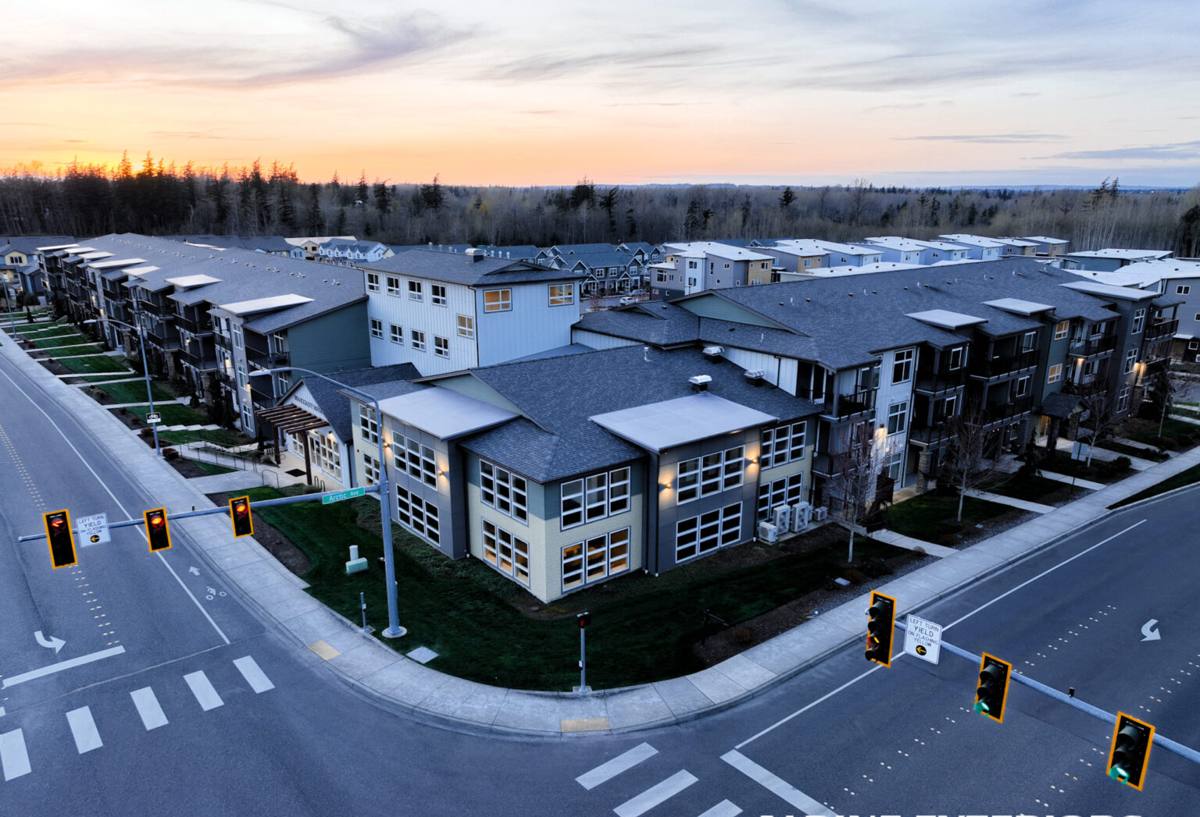
Why Older Windows Struggle Here
Salt Air and Hardware Corrosion
Salt-bearing moisture is hard on exposed metal — hinges, cranks, balance springs, and cheap aluminum spacer bars inside double-pane glass all corrode faster near the coast than they would twenty miles inland. Once hardware starts to bind or fail, homeowners often stop opening the window at all, which hides the problem until the sash or frame is also compromised.
Driving Rain and Wind-Driven Water
Wind off the water doesn't just push rain against the glass — it pushes it sideways and up under trim, sills, and poorly flashed frames. Older single-pane or early dual-pane windows, especially ones installed without proper flashing behind the trim, are a common source of hidden water intrusion. By the time staining shows up on interior sills or drywall, the sheathing behind the window has often been wet for a long time.
Moss, Algae, and Prolonged Dampness
Whatcom County's mild, wet winters keep shaded and north-facing surfaces damp for weeks at a time. Moss and algae growth on trim and siding around windows holds moisture against wood, accelerates rot at sills and casings, and can mask early signs of a failing seal. Windows in shaded spots or under trees need extra attention during any inspection.
What a Correct Job Looks Like in This Neighborhood
Replacing a window is straightforward in theory — remove the old unit, install the new one, seal it up. Doing it correctly on a coastal Whatcom County home means paying attention to details that don't show up in a quick trim-out job:
- Full inspection of the rough opening for hidden rot before the new window goes in — not just a visual check from outside
- Proper flashing integration with the existing water-resistive barrier, lapped correctly so water sheds outward, not into the wall
- Sill pans or sloped sill details that give any water that does get past the exterior a way back out
- Backer rod and quality sealant at the exterior perimeter, sized and applied correctly rather than just caulked over gaps
- Correctly shimmed and squared installation so the sash operates smoothly and the seal isn't stressed unevenly
- Interior air sealing with low-expansion foam or backer rod, separate from the exterior weatherproofing layer
- Hardware and finish selections suited to salt-air exposure, particularly on street-facing or water-facing elevations
Skipping any one of these steps doesn't usually cause an immediate problem — it causes a problem in three to five years, once water has had time to find the gap.
Choosing Materials for Coastal Whatcom County
Frame Material Trade-Offs
There's no single "best" window material for every home — it depends on your budget, your home's style, and how much maintenance you want to take on. What matters is understanding the honest trade-offs before you decide, especially in a climate that punishes the wrong choice.
| Material | Coastal Performance | Maintenance | Trade-Offs to Consider |
|---|---|---|---|
| Vinyl | Good — won't corrode or rot | Low | Frame can expand/contract with temperature swings; quality varies widely by manufacturer |
| Fiberglass | Very good — stable and resists moisture well | Low | Higher upfront cost than vinyl |
| Wood (clad exterior) | Depends heavily on cladding quality and installation | Moderate to high | Interior warmth and appearance, but the exterior cladding and sealant joints need to be right or moisture gets behind them |
| Aluminum | Poor without thermal breaks and coastal-grade finishes | Moderate | Conducts cold and is more prone to corrosion near salt air unless specifically rated for it |
Glass Packages
Dual-pane, low-E glass is the standard baseline for this area and makes a real difference in comfort and condensation control during our damp winters. Triple-pane is worth discussing for north- or west-facing rooms that catch the most wind and weather, or for homeowners prioritizing energy performance, but it's not a requirement on every window in the house — it's a decision to make room by room based on exposure and budget.
Our Process for Dakota Creek Homes
1. On-Site Assessment
We walk the home and look at each window individually rather than quoting from a standard package. Exposure matters — a window on the water- or wind-facing side of the house often needs a different approach than one tucked under an eave on the sheltered side.
2. Checking for Hidden Damage
Before we quote a price, we check for soft or discolored trim, sills, and framing around existing windows. If we find rot or water damage, we tell you before work starts, not after we've already opened up the wall — that way there are no surprise costs mid-project.
3. Removal and Opening Prep
Old windows come out carefully to avoid unnecessary damage to surrounding siding or trim. Any rot found in the rough opening gets addressed — cutting corners here is exactly how new windows end up with the same water problems the old ones had.
4. Installation and Flashing
New units go in plumb, level, and square, with flashing properly integrated into the existing wall assembly and a sill pan or sloped detail to manage any water that gets past the exterior seal.
5. Interior and Exterior Finish
Interior trim, sealing, and touch-up are completed to match the surrounding finish, and exterior caulking and paint or stain lines are cleaned up so the new window looks like it belongs.
6. Final Walkthrough
We check operation on every window — smooth opening, closing, and locking — before calling the job done.
Signs Your Dakota Creek Home May Need Window Replacement
- Fogging or a permanent haze between panes, which means the seal has failed and the insulating gas is gone
- Visible gaps, cracked caulking, or peeling paint around the frame exterior
- Windows that are difficult to open, close, or lock, especially after damp weather
- Soft or discolored wood at the sill, especially on north- or water-facing walls
- Persistent moss or algae buildup on trim directly around the window
- Noticeable drafts or cold spots near the window during winter storms
- Condensation forming on the interior glass or sill regularly through the wet season
Any one of these on its own isn't necessarily urgent, but two or more on the same window usually means it's time for a real inspection rather than another round of caulk and patch.
Cost Factors Worth Understanding
Every home is different, and we won't quote a price without seeing the actual windows and openings, but a few factors consistently drive cost up or down on Dakota Creek jobs:
| Factor | Why It Matters |
|---|---|
| Hidden rot or water damage | Repairing the rough opening adds labor and material beyond a straightforward swap |
| Window size and style | Larger units, bay windows, and custom shapes cost more than standard double-hungs or sliders |
| Material choice | Vinyl is typically the most budget-friendly; fiberglass and clad wood cost more upfront |
| Glass package | Triple-pane and specialty coatings add cost but can be targeted to high-exposure rooms only |
| Number of windows | Doing multiple windows in one visit is usually more efficient than one-off replacements over time |
| Access and elevation | Upper-story or hard-to-reach windows can require additional equipment or time |
Why Local Experience on Dakota Creek Matters
A crew that only occasionally works this stretch of Whatcom County can install a window that looks fine and still fails in a few years, because the flashing, sealant, and material choices that hold up here aren't the same as what's fine in a drier or more sheltered part of the state. Working in this area regularly means we've seen how salt air, driving rain, and the long moss season actually affect windows over time — not in theory, but in the callbacks and repairs we get asked to fix on other contractors' work. That experience shapes every recommendation we make, from flashing details to hardware finish to which rooms genuinely benefit from triple-pane glass.
We also know this isn't a one-size-fits-all neighborhood. Some Dakota Creek homes sit more exposed to wind and water; others are more sheltered by trees or terrain. We assess each house on its own, not off a generic checklist.
Get a Free, No-Pressure Estimate
If your windows are showing their age or you're planning ahead for a home in Dakota Creek, we're glad to take a look and give you an honest read on what's needed — no pressure, no obligation. Use the form below to request a free estimate and we'll get back to you to schedule a visit.