 Blaine Siding
 Roof Replacement for Sumas-Area Homes Near Blaine
Sumas sits inland from Blaine but shares the same Whatcom County weather pattern that wears down roofs faster than homeowners expect: long stretches of driving rain off the Pacific, salt-laden air pushing in from the Strait of Georgia and Boundary Bay, and a moss season that can run eight months or more in shaded, north-facing sections of a roof. A roof that looks fine from the driveway can be quietly failing underneath, and by the time a leak shows up on a ceiling, the underlayment and decking have usually been wet for a while. Roof replacement here isn't just about swapping old shingles for new ones — it's about building a roof system that's matched to this specific climate.
We work on homes throughout the Blaine and Sumas area regularly, which means we already know which roof styles, slopes, and exposures in this part of Whatcom County tend to fail early, and why.
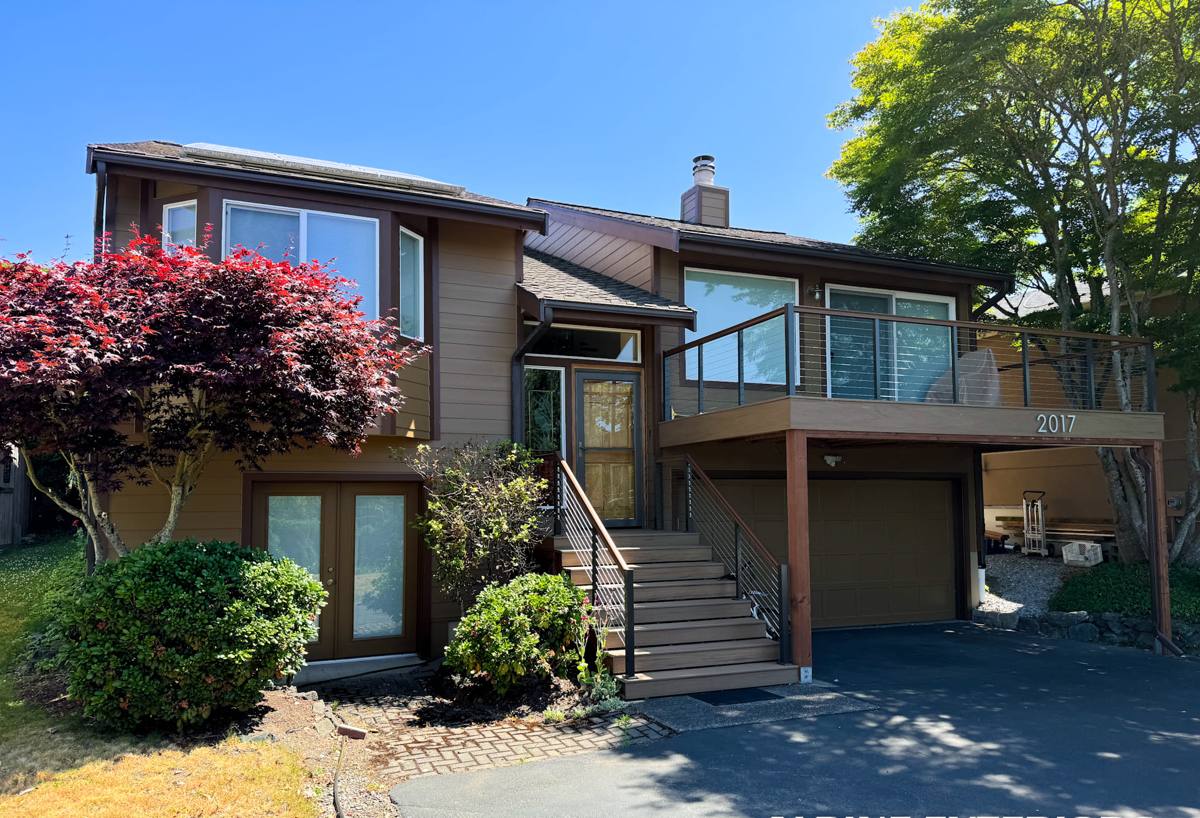
Why Roofs Wear Out Faster Here Than the National Average
Salt Air and Metal Fatigue
Homes closer to the water deal with airborne salt that accelerates corrosion on exposed metal — flashing, fasteners, vents, and gutter hardware. Cheaper galvanized fasteners and thin-gauge flashing corrode faster in this environment than they would inland. It's a slower process further from the coast, but Sumas still gets enough salt-influenced weather that using the wrong metal is a mistake that shows up in five to eight years instead of twenty.
Driving Rain and Wind-Driven Water
Storms in this region rarely fall straight down. Wind pushes rain sideways and up under laps, ridge caps, and step flashing that would be fine in a calmer climate. Roofs here need extra attention paid to underlayment overlap, fastener patterns, and flashing detail at every penetration — chimneys, skylights, plumbing vents, and roof-to-wall transitions — because that's where wind-driven water finds its way in.
Moss, Shade, and Moisture Retention
Sumas has plenty of tree cover and cooler, shaded rooflines that stay damp long after a storm passes. Moss and algae take hold in those conditions, and once established, moss holds moisture against the roofing material, lifts shingle edges, and works its way under laps over time. A roof that isn't detailed or maintained with this in mind will show moss-related wear well before its rated lifespan is up.
Signs a Sumas-Area Roof Needs Replacing, Not Just Patching
- Granule loss showing up in gutters or at downspout outlets, especially after a windy rain
- Shingles that are curling, cupping, or cracking, particularly on south- and west-facing slopes
- Moss or dark streaking that keeps returning within a season or two of cleaning
- Soft spots or slight sagging felt when walking the roof, which usually points to wet decking
- Daylight visible through the attic roof boards, or damp insulation near the eaves
- Flashing that's rusted, lifted, or separating from the roofing material around chimneys and vents
- A roof that's 20+ years old (asphalt) or showing multiple repair patches from past years
One or two of these on their own might mean a repair is enough. Several at once, or any sign of decking damage, usually means it's time to talk replacement rather than keep patching a roof that's past the point of cost-effective repair.
What a Correct Roof Replacement Involves Here
Tear-Off and Deck Inspection
We remove the old roofing down to the deck rather than layering over it. That's the only way to actually see what's underneath — soft or delaminated plywood, rot around old penetrations, or underlayment that's been letting moisture through unnoticed. Any damaged decking gets replaced before anything new goes down; skipping this step is one of the most common shortcuts that leads to problems five or ten years later.
Underlayment Built for Wind-Driven Rain
Given how much of our weather comes in sideways, underlayment choice and installation matter more here than in drier climates. We use synthetic or self-adhered underlayment with proper overlap and extra coverage at valleys, eaves, and low-slope transitions — the areas most exposed to wind-driven water.
Ice and Water Barrier at Vulnerable Points
Eaves, valleys, and roof-to-wall intersections get self-adhering ice and water barrier membrane, not just standard felt or synthetic underlayment. This is cheap insurance against the exact kind of wind-driven, backed-up water that causes leaks in this region.
Flashing That Matches the Environment
Given the salt-air exposure common throughout the Blaine and Sumas area, we favor corrosion-resistant flashing and fastener materials over standard galvanized options, especially on homes closer to the water. It costs a little more up front and saves a flashing replacement job a decade sooner.
Ventilation That Actually Balances
Moss and moisture problems are made worse by poor attic ventilation — trapped humidity condenses on the underside of the decking and keeps everything damp longer than it should be. We check intake (soffit) and exhaust (ridge or roof vents) balance during every replacement and correct it as part of the job, not as an upsell afterward.
Material Selection Suited to Moss and Shade
For roofs with heavy tree cover or north-facing shade, we talk through algae-resistant shingle options (copper- or zinc-infused granules) and, where it makes sense, zinc or copper strip installation near the ridge to reduce moss regrowth. It's not a guarantee moss never returns, but it meaningfully slows it down compared to standard materials in a shaded, wet environment.
Roofing Material Comparison for This Climate
| Material | Typical Lifespan Here | How It Handles Moss & Salt Air | Notes |
|---|---|---|---|
| Standard asphalt shingle | 18-22 years | Moderate moss resistance; needs periodic cleaning | Cost-effective, wide color range, our most common install |
| Algae-resistant asphalt shingle | 20-25 years | Better moss/algae resistance via granule treatment | Small upfront premium, worth it on shaded roofs |
| Metal (standing seam, coated) | 40-50+ years | Sheds moss well if properly coated; needs corrosion-resistant fasteners near the coast | Higher upfront cost, less maintenance over time |
| Cedar shake | 20-30 years with upkeep | Prone to moss retention without regular treatment | Requires more maintenance in wet, shaded settings |
Our Process, Start to Finish
1. On-Site Inspection
We walk the roof (weather permitting) and check the attic, looking at decking condition, ventilation, flashing points, and moss/moisture patterns specific to your property's exposure and tree cover.
2. Straightforward Written Estimate
You get a clear scope of work and price — what's being torn off, what underlayment and materials are going in, and why, without vague line items.
3. Scheduling Around Whatcom County Weather
We plan tear-off days around the forecast so your home isn't sitting open to rain overnight. In a region that gets rain most months of the year, timing the tear-off and dry-in is one of the most important parts of the whole job.
4. Tear-Off, Deck Repair, and Install
Old roofing comes off, decking gets inspected and repaired as needed, then underlayment, ice-and-water membrane, flashing, and roofing material go on in that order — with daily cleanup so your property isn't left with debris and exposed nails overnight.
5. Final Walkthrough
We walk the finished roof and attic with you, confirm ventilation and flashing details, and answer any questions before calling the job done.
Why Hiring a Crew That Already Works in Sumas and Blaine Matters
A roofing crew that mostly works drier, inland climates will often default to standard materials and standard details — the kind of specs that hold up fine in less demanding weather but come up short against Whatcom County's combination of salt air, wind-driven rain, and long moss seasons. Working this area regularly means we've seen which shortcuts fail first here: undersized ice-and-water coverage at eaves, galvanized fasteners corroding early near the coast, and ventilation that was never balanced correctly, letting moss and moisture take hold faster than they should.
Local, licensed, and insured also means something practical: if a flashing detail or a warranty question comes up two years down the road, you're calling a crew that's still working in your neighborhood, not chasing down a company that did one job in the area and moved on.
What Roof Replacement Typically Involves Cost-Wise
Every roof is different, and pricing depends on size, pitch, tear-off complexity, decking condition, and material choice — so we won't quote a number without seeing the roof. In general terms, a straightforward asphalt shingle replacement on an average-size home costs less than a metal roof or a job that requires significant deck repair, moss-resistant materials, and upgraded flashing. We'll walk you through where your money is going during the estimate, including any moisture, ventilation, or decking issues we find, so there are no surprises once the work starts.
Get a Free Estimate
If your roof is showing wear, dealing with recurring moss, or just getting close to the end of its expected life, we're happy to take a look and give you an honest read on where it stands. There's no pressure and no obligation — just a straightforward assessment from a crew that knows how roofs perform in Sumas and the greater Blaine area. Fill out the form below to schedule a free estimate.