 Blaine Siding
 Windows in Point Roberts Face a Different Set of Problems
Point Roberts sits on its own peninsula, surrounded on three sides by saltwater, and that changes what a window has to survive out there compared to a house even a few miles inland in Blaine. Salt-laden air corrodes exposed hardware and fasteners faster than it does anywhere else in Whatcom County. Wind-driven rain off the Strait of Georgia hits window walls at an angle, not just straight down, which means flashing and sill details matter more than they would on a sheltered lot. And the long, damp shoulder seasons here keep humidity around window openings elevated for months at a time, which is exactly the environment moss, algae, and slow wood rot need to get established.
None of this means Point Roberts homes need exotic products. It means the installation details have to be right, and the materials chosen have to match the exposure of the specific wall they're going into. A window that performs fine on a protected south wall in Blaine can fail early on a west-facing wall in Point Roberts that takes the full brunt of weather coming off the water.
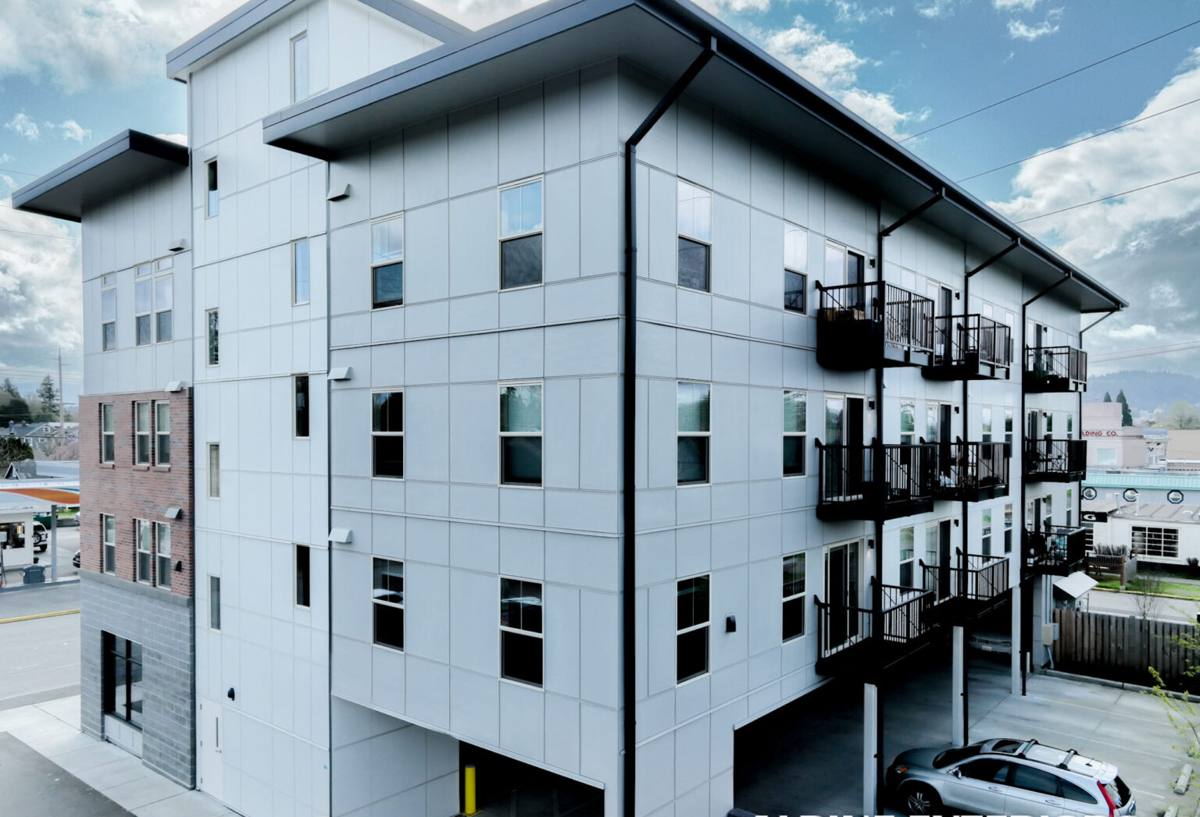
What Local Exposure Does to Windows Over Time
Salt Air and Hardware
Aluminum and lower-grade steel hardware — hinges, cranks, locks, even some fastener heads — corrode noticeably faster this close to saltwater. We spec corrosion-resistant hardware on Point Roberts jobs as standard practice, not an upsell, because replacing pitted or seized hardware five years in costs more than getting it right the first time.
Driving Rain and Water Intrusion
Wind off the water doesn't just fall on a window, it pushes against it. That pressure finds any gap in flashing, any short-cut sealant joint, any missing sill pan, and drives water behind the trim and into the wall cavity. Once water gets behind a window on a peninsula like this, the damp conditions here mean it doesn't dry out quickly — it sits, and that's when framing rot and mold start.
Moss, Algae, and Prolonged Dampness
Whatcom County's moss season isn't a short window — it runs long, and anything that stays wet for extended stretches will grow something on it. Window sills, especially wood or lower-quality composite sills on north- and west-facing walls, are prime real estate for moss and algae buildup if they don't shed water properly or dry out between rains.
What a Correct Window Installation Actually Involves
A window installation is judged on what you can't see once it's done. The visible trim and finish matter for appearance, but the flashing, sealing, and integration with the existing wall assembly are what determine whether the window is still performing correctly in ten or twenty years.
- Full removal of the old window and inspection of the rough opening framing for hidden rot or water damage before anything new goes in
- Correction of any damaged framing, sheathing, or sill material found during that inspection — not covering it up
- Proper sill pan flashing so any water that does get past the window sheds outward, not into the wall
- Weather-resistant barrier (house wrap or building paper) integrated with the window flanges in the correct shingle-lap order, so water always drains over the layer below it
- Quality sealant at the right joints only — sealing every joint, including ones that should be left open to drain, traps water instead of stopping it
- Insulation of the gap between the window frame and rough opening, without overpacking, which can bow the frame
- Interior and exterior trim work that's sealed and finished to shed water, not just for appearance
- Corrosion-resistant fasteners and hardware appropriate for a saltwater-exposed site
Choosing the Right Window for a Point Roberts Wall
Not every wall on a house needs the same window spec. The orientation and exposure of each opening should factor into material and glass choices.
| Factor | Sheltered / East-Facing Walls | Exposed West / Water-Facing Walls |
|---|---|---|
| Frame material | Vinyl or fiberglass, standard grade | Fiberglass or vinyl with reinforced corners and marine-grade hardware |
| Glazing | Standard double-pane, low-E | Double or triple-pane, low-E, with attention to seal quality over air-space thickness |
| Sill detail | Standard sill pan flashing | Extended sill pan with end dams, sloped for aggressive drainage |
| Hardware | Standard stainless or coated hardware | Marine-grade or heavily corrosion-resistant hardware |
| Maintenance interval | Annual check | Twice-yearly check, especially after storm season |
We don't push premium glass packages on walls that don't need them — that's just added cost with no real benefit. But we also won't install a builder-grade window on a wall that faces open water and call it done. Matching the spec to the exposure is part of doing the job honestly.
Why We're Careful About Which Window Lines We Install
Some window products look fine in a showroom but don't hold up to marine exposure, and the difference usually isn't the glass — it's the frame material, the corner welds, and the hardware. We steer away from lower-end vinyl lines with thin frame walls and non-reinforced corners on any Point Roberts job, not because they're incapable of working somewhere inland, but because the maintenance burden and early failure risk go up substantially in this exposure. We also avoid products with proprietary flashing systems that don't integrate cleanly with standard weather-resistant barrier details, since that mismatch is a common source of water intrusion no matter how good the window itself is. This is a standard we hold ourselves to, not a claim about any manufacturer being defective — it's about matching the product to the site.
Our Process for a Point Roberts Window Job
1. On-Site Assessment
We look at each window opening individually — orientation, current condition, any visible water staining or soft framing — rather than quoting a blanket price for "all windows the same."
2. Honest Scope and Estimate
You get a written estimate that separates the window units themselves from installation, flashing work, and any framing repair that turns up. No surprise change orders for things we should have caught up front.
3. Careful Removal and Opening Prep
Old windows come out cleanly, and we inspect the opening before installing anything new. If we find rot or moisture damage, we tell you before we cover it back up, not after.
4. Installation to Manufacturer and Flashing Standards
Each window goes in following the manufacturer's installation instructions and correct flashing sequencing — this is where most long-term failures actually originate, so we don't rush it.
5. Final Check and Walkthrough
We test operation, check seals, and walk the job with you so you know what was done and what to keep an eye on.
Signs Your Point Roberts Windows May Need Attention
- Visible fogging or moisture between panes — a sign the seal has failed
- Soft or discolored trim or sill material around the window
- Difficulty opening, closing, or locking a window that used to operate smoothly
- Moss or algae buildup on sills or lower trim that keeps returning after cleaning
- Drafts or noticeable temperature difference near a window on a windy day
- Visible corrosion on hinges, cranks, or exterior hardware
- Peeling paint or bubbling finish on interior trim near a window, which often points to moisture getting in from outside
Why Hire a Crew That Already Works Point Roberts
Point Roberts is geographically isolated from the rest of Whatcom County, and that isolation matters for a contracting job. A crew that doesn't already have a rhythm for working on the peninsula deals with border crossing logistics, material staging, and scheduling friction that shows up as delays or shortcuts on your project. We've done exterior work in this area and understand the border crossing process, how to stage materials and equipment efficiently, and what building conditions are typical for homes out here. That familiarity means fewer surprises and a crew that shows up ready to work rather than figuring out logistics on your dime.
It also means we've seen how windows in this specific location actually age — which details hold up and which ones don't — rather than applying generic installation practices that were developed for a different climate entirely.
What This Typically Costs
Window installation pricing depends on window size, frame material, how many units you're replacing, and what condition the existing framing is in once we open the wall up. A single straightforward replacement window is a very different cost than a full-home window replacement with framing repairs. Rather than throw out a number that doesn't apply to your house, we'd rather walk your specific windows and give you a real figure based on what's actually there.
If you're dealing with drafty, foggy, or aging windows on your Point Roberts property, or you're planning ahead for a window replacement project, we're happy to come take a look and give you a straightforward, no-pressure estimate. Use the form below to get started.