 Blaine Siding
 Siding Repair in Cherry Point: A Different Kind of Wear
Cherry Point sits out on the Whatcom County coastline near Blaine, exposed to open water on one side and mild, wet Pacific Northwest weather year-round on the other. That combination puts more stress on a home's siding than most inland properties ever deal with. Salt-laden air works on fasteners and finishes every day, not just during storms. Driving rain gets pushed sideways into wall assemblies instead of falling straight down. And a long, damp moss season gives organic growth months to take hold on shaded or north-facing walls. None of that is dramatic on its own, but it adds up faster here than it does a few miles inland.
Siding repair in a location like this isn't just about closing up a visible gap or swapping a cracked board. A patch that doesn't address why the damage happened in the first place tends to fail again within a season or two, especially on a property this exposed. This page covers what actually goes wrong with siding in Cherry Point, how we tell a real repair job from one that should be a replacement, what correct repair work involves, and why hiring a crew that already works this stretch of coastline matters more here than in a calmer, drier location.
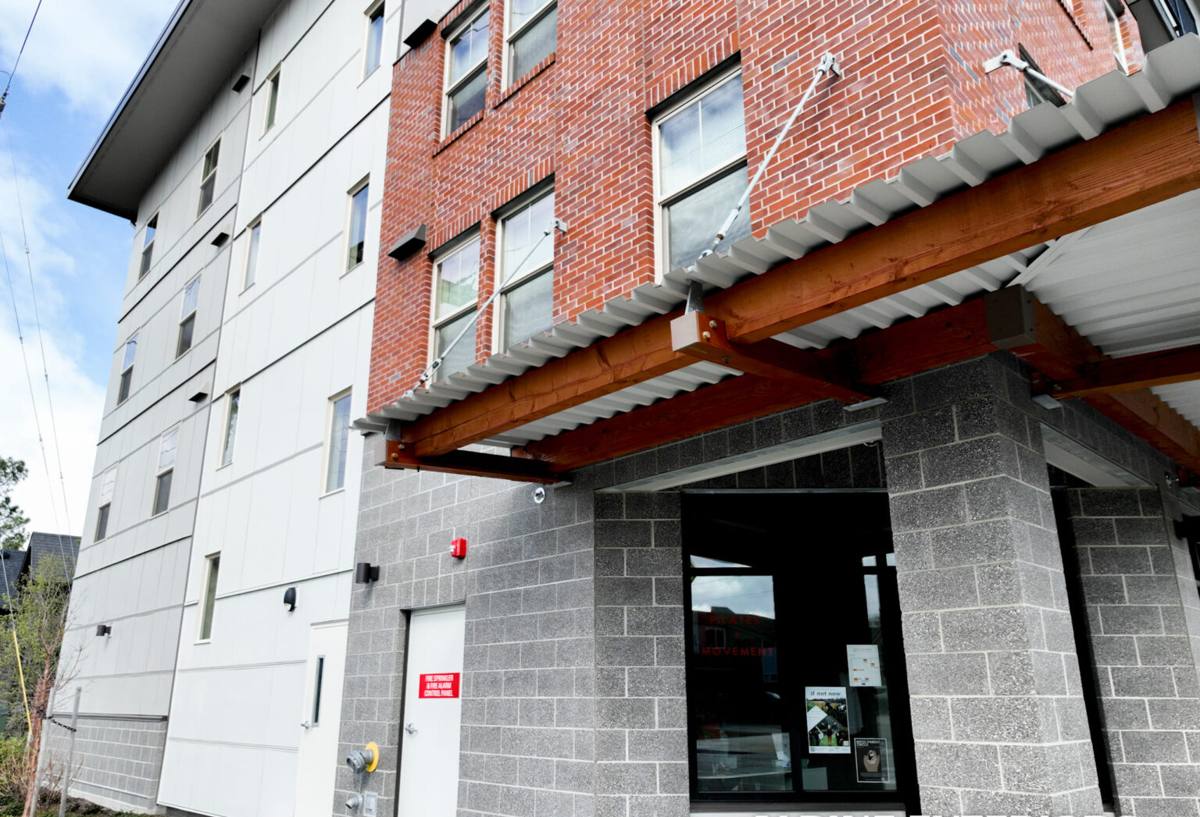
What Cherry Point's Climate Does to Siding
Salt Air Off the Water
Homes this close to the water take a steady dose of salt-laden air, and that salt accelerates corrosion in fasteners, flashing, and any exposed metal trim well before the damage is visible from the ground. It also breaks down lower-quality paints and coatings faster than a dry, inland climate would. On a repair call, corroded fasteners or trim are often the actual cause of a problem that looks, at first glance, like simple siding damage.
Driving Rain and Wind Load
Storms coming off the water don't just drop rain straight down — wind drives it sideways into seams, window flashing, and the joints where trim meets wall. That sideways load reaches places a calm, straight-down rain never would, and it's exactly the kind of moisture that finds a gap a rushed repair or an aging installation left behind. In Cherry Point, wind-driven rain shows up with more force and more frequency than it does in sheltered parts of the county.
A Long Moss Season
Mild temperatures and near-constant moisture add up to a moss and mildew season that can run most of the year on shaded or north-facing siding. Moss holds moisture directly against the wall surface, and any material with even a little surface porosity becomes a growth surface over time. On repair calls, we regularly find that moss has been sitting against a wall long enough for the moisture underneath it to become the bigger issue, not just the moss itself.
Common Siding Repair Issues We See in Cherry Point
What actually brings a siding repair call in out here depends heavily on what material is already on the house. The table below reflects patterns we see repeatedly on this part of the coastline, not a general national list.
| Existing Siding | Common Failure We Find | How Repairable It Usually Is |
|---|---|---|
| James Hardie fiber cement | Damage from impact, poor original caulking, or fastener issues; the board itself rarely fails on its own | Usually a clean, straightforward repair with matching ColorPlus material |
| Cedar | Cupping, checking, and rot at butt joints and lower courses from repeated wetting and drying | Repairable if damage is localized; recurring rot often signals a bigger underlying problem |
| LP SmartSide / engineered wood | Swelling and delamination at cut edges, seams, and fastener points exposed to moisture | Repairable short-term, but the same edges tend to fail again without a change in exposure |
| Vinyl | Cracking, warping, or panels pulling loose from wind load and hardware fatigue | Individual panels are easy to swap if a match is still available; discontinued colors are common |
The pattern that stands out most in Cherry Point specifically is how much of what looks like a simple repair — a cracked board, a stained section, a warped panel — traces back to moisture that got behind the cladding through a fastener, a seam, or a piece of missing flashing, and then sat there because of how wet and shaded much of the area stays.
Repair or Replace? How We Make That Call Honestly
Not every siding problem needs a full replacement, and not every problem is a quick patch either. We walk through a few honest questions before recommending either direction:
- How far has the damage spread? Damage isolated to one section or elevation is a reasonable repair candidate. Damage showing up across multiple walls usually points to a systemic issue, not a one-off spot.
- Is there moisture behind the cladding? If we find wet sheathing or framing once siding is pulled back, that's a bigger conversation than the visible damage suggested, regardless of what material is on the wall.
- How old is the existing siding, and what's it made of? Cedar or engineered wood siding nearing the end of its practical life is often better served by planning a replacement than by chasing repeated repairs on the same walls.
- Was the original installation done correctly? Some of what looks like a material failure is actually a flashing or fastening mistake from the original install. Repairing that spot without correcting the underlying detail just delays the same failure.
We'll give a straight answer on which category a given repair falls into, including telling a homeowner when a patch is genuinely the right call, rather than defaulting to whichever job is bigger.
What a Correct Siding Repair Job Involves
Diagnosing Before Patching
A repair that's worth doing starts with figuring out why the damage happened, not just where it is. That means checking behind the visible damage for wet sheathing, corroded fasteners, or missing flashing before closing anything back up. Patching over a moisture problem without finding its source is the single most common reason a repair doesn't hold.
Matching Profile, Reveal, and Finish
A repair that doesn't match the surrounding siding's profile, exposure, and color stands out on the wall and can also create new water paths at the seams. On James Hardie siding, that means sourcing matching ColorPlus panels rather than a close guess. On older cedar or discontinued vinyl profiles, an honest conversation about what can and can't be matched needs to happen before work starts, not after.
Flashing and Moisture Barrier Details
Any time siding comes off, the flashing and weather-resistive barrier underneath it need to be inspected and corrected as part of the repair, not left as-is because they weren't the original complaint. In a climate that drives rain sideways as often as Cherry Point's does, a repair that reuses damaged or missing flashing is a repair that's likely to come back.
Fastener and Hardware Choices
Replacing corroded fasteners with the same grade of hardware that failed the first time is a common shortcut that doesn't hold up this close to the water. We use fasteners rated for corrosive, coastal exposure on repair work, not standard-grade hardware chosen mainly for cost.
Why We Repair to Hardie Standards — Even on Existing Siding
We install James Hardie fiber cement exclusively, and that standard shapes how we approach repair work too. We won't install LP SmartSide, vinyl siding, Cemplank, Allura, primed spruce, or cedar as new material, including on partial repairs, because we've made a professional call to stand fully behind one system rather than patch in a product we wouldn't choose ourselves. Each of those products has a place in the market and homeowners who are satisfied with them — our decision is about what we're willing to warranty our own work on, not a claim that every other product is defective.
When the existing siding on a Cherry Point home is already Hardie, repair work is usually the more straightforward path: matching ColorPlus panels exist, the material behaves predictably, and a correctly done repair blends in and holds up. When the existing siding is cedar, LP SmartSide, vinyl, or another product we don't install new, we'll still assess it honestly and, where a real repair makes sense, tell you that plainly. Where the pattern points to a recurring material or moisture issue rather than a one-time problem, we'll say so directly, including when that means the more sensible long-term move is planning a transition to fiber cement rather than continuing to chase the same failure on the same wall.
Our Process for a Cherry Point Siding Repair
- On-site inspection of the damaged area and the surrounding siding, including probing for soft or wet spots that aren't visible from a distance
- Checking behind the affected siding for flashing, moisture barrier, or fastener issues once the extent of the damage is understood
- A clear, written scope of work and cost before anything is opened up, including an honest read on repair versus replacement
- Sourcing matching material — ColorPlus-matched Hardie panels where the existing siding is Hardie, or a clear conversation about matching limits on other materials
- Correcting the underlying cause — flashing, fastening, or drainage — as part of the repair, not as a separate upsell
- A final walkthrough so you can see and understand exactly what was fixed and why
Signs Your Cherry Point Home Needs Siding Repair Now
A few warning signs are worth acting on before they turn into a bigger project:
- Soft or spongy siding, especially low on the wall or around window and door trim
- Visible cracking, warping, or cupping on individual boards or panels
- Rust staining or corroded fasteners and trim, more common this close to the water
- Persistent moss or mildew on shaded or north-facing walls that keeps returning after cleaning
- Bubbling, peeling paint, or discoloration that points to moisture trapped underneath
- Gaps, missing caulk, or separation at seams and trim joints
- Interior wall staining or a musty smell near an exterior wall, which often means water has already gotten past the siding
Why a Crew That Already Works Cherry Point Matters
A contractor who works this stretch of the Whatcom County coastline regularly has already seen how salt air, driving rain, and a long moss season behave on real Cherry Point homes over a full year, not just how a product performs on a spec sheet. That experience shows up in the details on a repair call: knowing which walls stay wet longest, which fastener grade actually holds up out here, and when a patch is genuinely enough versus when it's postponing a bigger problem. Cherry Point's exposure isn't identical to more sheltered inland parts of the county, and a crew that knows the difference diagnoses and repairs accordingly instead of applying a generic fix.
If you're dealing with damaged, aging, or failing siding on a Cherry Point property, we're glad to take a look and give you a straightforward, honest read on what it actually needs — repair, partial replacement, or something bigger. Reach out using the form below to schedule a free, no-pressure estimate.