 Blaine Siding
 Why Window Installation Is Different in Peace Arch
Peace Arch sits close enough to the water and the border that homes here take a different kind of weather beating than houses further inland in Whatcom County. Salt-laden air off the Strait works its way into aluminum frames, vinyl glazing beads, and exposed fasteners year-round. Add Blaine's long stretch of driving rain each fall and winter, plus a moss season that can run from October well into spring, and you've got a climate that finds every weak point in a window installation within a few years, not a few decades.
Most window failures we see in this area aren't glass failures. They're installation failures — flashing that was skipped or done wrong, sealant that was asked to do a job it was never designed for, or a rough opening that wasn't properly prepped before the new window went in. The window itself is usually fine. What surrounds it is where the trouble starts.
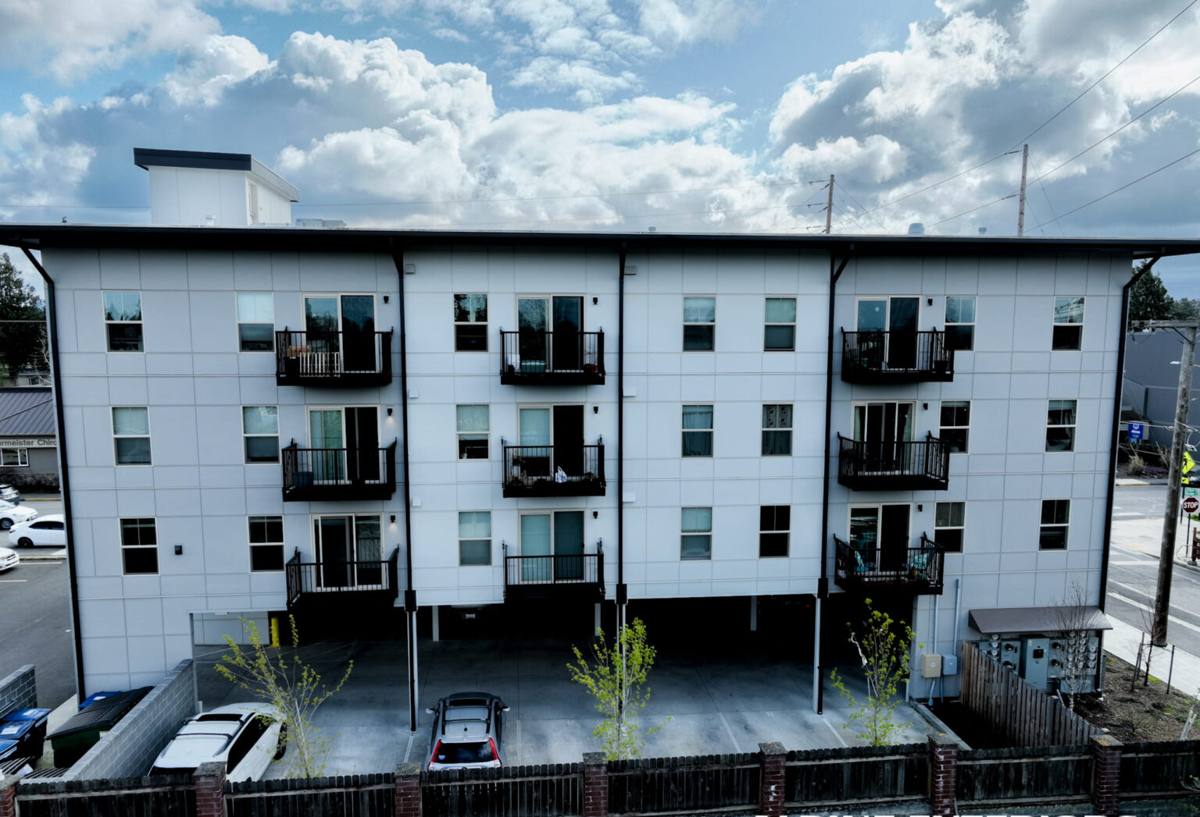
What Local Homes Actually Need From a Window Install
Salt Air and Metal Components
Salt air accelerates corrosion on anything metal — screws, cranks, balance systems, and lower-grade cladding. On homes within a few miles of the water, we pay closer attention to hardware quality and fastener material than we would on a build further inland. It's a small cost difference at install time and a real difference in how the window operates ten years out.
Driving Rain and Water Management
Blaine doesn't just get rain — it gets wind-driven rain that hits window openings at an angle, which means water is pushed sideways and upward against the frame, not just falling straight down onto a sill. A window opening that only handles vertical water shedding will eventually let moisture in around the frame edges. Proper flashing sequencing (not just caulk) is what actually stops this.
Moss and Sill Debris
Moss doesn't just grow on roofs here — it collects in window sills, tracks, and any horizontal ledge that stays damp. Over a long moss season, that buildup holds moisture against the frame and finish. Sill design and drainage matter more in Peace Arch than they would in a drier climate, and it's worth discussing at the estimate stage if you've had moss or standing water issues on existing windows.
What a Correct Window Installation Involves
A window installation is really three jobs stacked together: removing the old unit without damaging the rough opening, prepping that opening correctly, and setting the new window so water has nowhere to go but out. Skipping or rushing any one of these is how call-backs happen.
- Careful removal of the old window and inspection of the rough opening framing for rot, especially at the sill and lower corners — the areas most exposed to standing water over time
- Repair of any damaged framing or sheathing before the new window goes in, not painted over or hidden
- Correct flashing sequence around the opening — sill pan first, then side flashing, then head flashing, layered so water sheds outward and down at every step
- Backer rod and sealant at the right joints, sized and placed correctly rather than just a bead of caulk around the perimeter
- Shimming and leveling the window so it operates properly and doesn't rack the frame over time
- Insulating the gap between the frame and rough opening without overpacking it, which can bow the frame
- Interior and exterior trim work that's sealed, not just installed for appearance
Choosing Materials for This Climate
We install vinyl and fiberglass window frames as our standard recommendation for homes in this area. Both hold up well against salt air and moisture without the ongoing maintenance burden of wood, and both perform consistently in the temperature swings and damp conditions typical of Whatcom County. We steer away from bare aluminum-frame windows for most Peace Arch applications — not because aluminum can't be made to work, but because uninsulated aluminum conducts cold and is more prone to condensation and corrosion issues in a salt-air, high-moisture environment, which adds maintenance burden homeowners usually don't want to take on.
Wood-frame windows have real appeal for certain home styles, and we're happy to install them when a homeowner wants that look. The trade-off worth understanding up front is maintenance: wood needs more regular attention to paint and seals in this climate than vinyl or fiberglass, and lapses in that maintenance show up faster near the water than they would inland.
Glass Package Considerations
Double-pane, low-E glass is the standard we'd recommend for most Peace Arch homes — it balances energy performance with cost. Triple-pane is worth discussing if you're dealing with road noise or want the added insulation value, but it's a real cost increase and isn't necessary for every home. We'll talk through what makes sense for your specific windows and budget rather than defaulting to the most expensive option.
Cost Factors for Window Installation in Peace Arch
| Factor | Why It Affects Cost |
|---|---|
| Frame material (vinyl, fiberglass, wood) | Material and hardware cost vary; wood costs more upfront and in long-term upkeep |
| Rough opening condition | Rot or framing damage found during removal adds repair time before the new window can go in |
| Number of windows | Per-unit cost typically drops as the total project scope increases |
| Glass package | Double-pane low-E vs. triple-pane changes both material cost and energy performance |
| Window size and type | Standard sizes cost less than custom shapes, large picture windows, or specialty operating styles |
| Trim and finish work | Matching existing interior trim or upgrading exterior trim adds labor and material |
As a general range, straightforward vinyl window replacements in this area typically run from the low thousands per window down to well under that for smaller units purchased in volume, with wood or custom sizes running higher. Any honest number depends on what we find once the old window comes out, which is why we quote after a real look at your home, not off a phone call.
Our Process
- On-site assessment. We look at your existing windows, check for signs of moisture damage around openings, and talk through what you want out of the project — energy performance, noise reduction, appearance, or just replacing something that's failing.
- Written estimate. You get a clear breakdown of materials, labor, and any framing repair we anticipate based on what we can see, plus a heads-up on what we might find once we open things up.
- Scheduling around the weather. Given how much rain Blaine gets, we plan installation days with weather in mind and can stage work to minimize how long any opening is exposed.
- Removal and opening inspection. Old windows come out carefully, and we inspect the framing before anything new goes in. If we find rot or damage, we'll show you and talk through the repair before proceeding.
- Installation. Flashing, sealing, shimming, and insulating done in the correct order — not shortcuts to save an hour.
- Final walkthrough. We check operation, seals, and trim with you before calling the job done.
Why Local Experience Matters
A window installer who mostly works drier inland climates can still do a technically fine install and have it fail here within a few years, simply because the failure points are different. A crew that regularly works Blaine and the surrounding Whatcom County coastline already knows where wind-driven rain tends to find gaps, how much moss buildup to expect on horizontal surfaces, and which hardware holds up against salt air instead of just looking fine at handoff. That's not a marketing point — it changes actual decisions on the job, like flashing sequence and hardware selection, before the first window ever goes in.
It also means we're not guessing about what "normal" looks like for a Peace Arch home. We know what a well-maintained window here looks like at year five versus year fifteen, and we build installs that are meant to still be performing at the far end of that range.
Signs You May Need Window Replacement, Not Just Repair
- Fogging or moisture between panes of double-glazed glass — a sign the seal has failed
- Drafts you can feel around the frame even when the window is fully closed and locked
- Wood trim or sill that's soft, discolored, or has visible rot
- Windows that are difficult to open, close, or lock properly
- Visible gaps between the frame and the wall, or paint that's cracking along the frame edge
- Persistent condensation on the interior glass during colder months
If you're seeing one or two of these on an otherwise sound window, repair might be enough. If you're seeing several across multiple windows, or the home is due for it based on age, full replacement is usually the more cost-effective path long-term.
If you're in Peace Arch and dealing with drafty, foggy, or failing windows — or planning ahead before the next wet season sets in — we're happy to come take a look. Reach out for a free, no-pressure estimate using the form below.