 Blaine Siding
 Storm Damage Roof Repair in California Creek
California Creek sits on the quieter, low-lying edge of Blaine, where the creek corridor winds toward Drayton Harbor through a mix of wooded lots, pasture, and rural home sites. It's a different setting than the tighter, more sheltered streets closer to downtown Blaine — bigger tree canopies, more open exposure to weather coming off the water, and roof lines that don't always benefit from neighboring structures blocking the wind. When a storm moves through Whatcom County, homes along the California Creek corridor tend to take it a little harder than homes in more protected pockets of town.
We handle storm damage roof repair for homeowners in this area regularly, not as a once-a-year emergency callout but as ongoing work tied to how this specific stretch of Blaine sits relative to the water, the tree cover, and the weather patterns that move through the county. This page covers what storm damage actually looks like on a California Creek roof, what a correct repair involves, and how our process works from the first call to the finished repair.
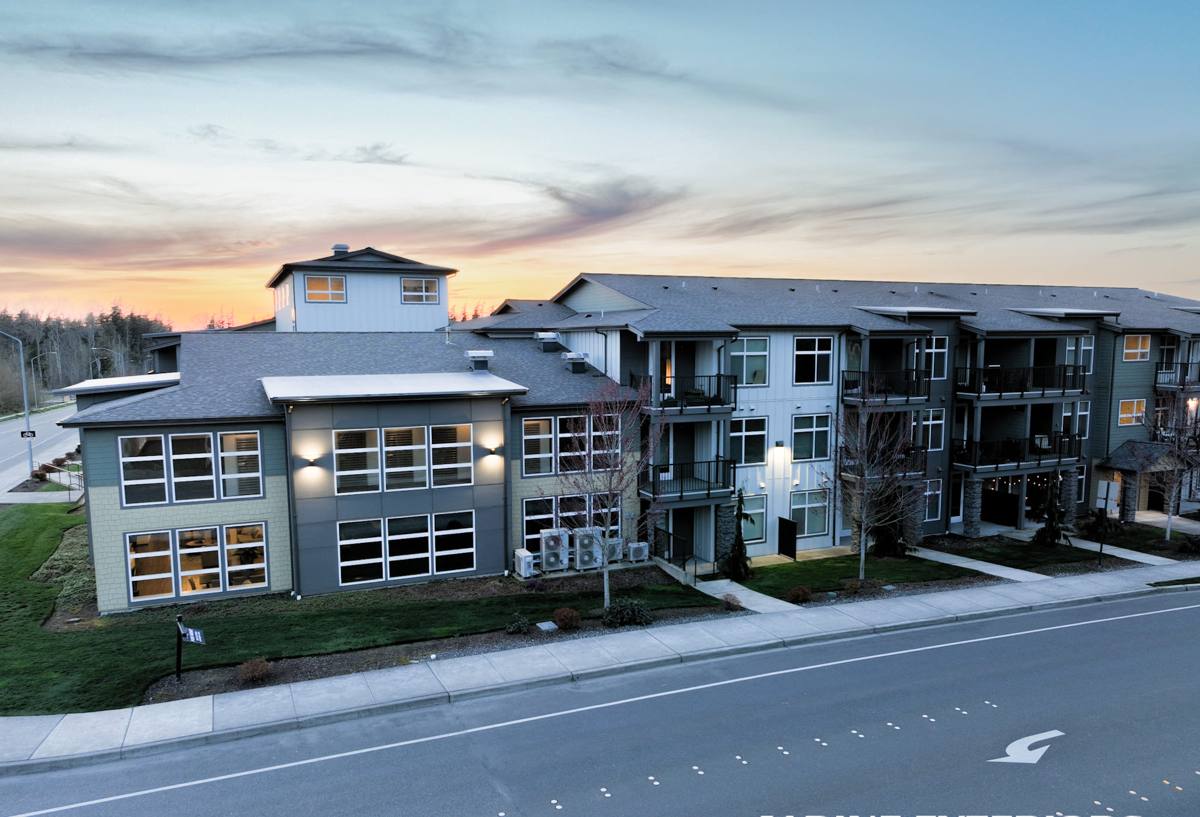
Why This Stretch of Blaine Takes More Storm Damage
Wind Off the Water, With Nothing to Break It Up
Blaine's position near the Strait means storm systems arrive with real wind behind them, and the more open, rural character of the California Creek area means fewer windbreaks between a house and open weather. That translates into more wind-driven rain forced sideways under shingle tabs and flashing, and more direct wind loading on exposed roof planes than a similar roof would see on a sheltered in-town lot.
Mature Trees and Branch Strikes
Larger lots and heavier tree cover are part of what makes this area appealing, but mature conifers and big-leaf maples also mean more limb and branch debris coming down during high winds. A branch strike can crack shingles, tear off ridge caps, or punch straight through decking depending on size and impact angle, and the damage isn't always obvious from the ground.
Low-Lying Ground and Prolonged Dampness
The creek corridor sits lower and holds moisture longer than higher ground elsewhere in Blaine, which means roofs here often stay damp longer after a storm passes. That extended dampness is exactly what feeds moss growth and slows the drying-out period that helps a roof shed minor storm stress without turning into a bigger problem.
What Storm Damage Actually Looks Like
Not all storm damage announces itself with an obvious hole or an active leak. Some of it sits quietly for months before it shows up as a stain on a ceiling.
- Missing, cracked, or lifted shingles, especially on the side of the roof that faces prevailing wind
- Torn or missing ridge cap shingles along the roof's peak
- Dented, bent, or lifted flashing around chimneys, vents, and skylights
- Fresh scrapes, gouges, or punctures from fallen branches or wind-blown debris
- Granule loss showing up as bald patches or as buildup in gutters right after a storm
- Sagging or soft-feeling sections along the roofline or in a valley
- New or worsening moss growth in the weeks following a wet stretch of weather
- Water stains, drips, or musty smells appearing in the attic after a storm
Any one of these on its own is worth a look. A house that shows several of them after a specific storm event, rather than gradual wear over several seasons, is usually dealing with genuine storm damage rather than ordinary aging.
Storm Damage vs. Ordinary Wear
This distinction matters, both for how we approach the repair and for how an insurance claim gets handled. Age-related wear spreads gradually across the whole roof; storm damage tends to be sudden, localized to the side that took the weather, and traceable to a specific event.
| Signal | Points to Storm Damage | Points to Ordinary Wear |
|---|---|---|
| Timing | Appears right after a specific windstorm or heavy weather event | Develops gradually over several years |
| Location on roof | Concentrated on the windward slope or under a tree limb | Spread evenly across all slopes |
| Shingle condition | Torn, lifted, or missing outright, often with exposed nail heads | Curling, cupping, or granule loss without physical tearing |
| Decking underneath | Can be sound, or freshly compromised at the damage point | Softening happens slowly over time, often in multiple spots |
| Documentation value | Often qualifies for an insurance claim if reported promptly | Typically considered maintenance, not a covered event |
We'll tell you honestly which category a given problem falls into. A roof that's already near the end of its service life can absolutely sustain storm damage on top of ordinary wear, and separating the two matters for how the repair gets scoped and how it gets paid for.
Repair or Something Bigger?
A single damaged valley or a handful of missing shingles from a recent storm is usually a straightforward repair, especially on a roof that isn't already near the end of its expected lifespan. A roof that's taken storm damage on top of years of moss buildup, multiple prior patch jobs, or soft decking in more than one location is telling you the storm exposed a problem that was already forming — and a patch in that situation often just delays a bigger repair rather than resolving it.
Our Storm Damage Repair Process
A rushed storm repair is one of the more common ways homeowners end up with a second problem a year or two later. We work through the same sequence on every storm call, whether it's a single missing shingle or a section that needs to come off and be rebuilt.
- Immediate assessment: We look at the full extent of the damage, not just the spot that's visibly leaking, since wind-driven rain often travels sideways under intact-looking shingles before it shows up as a leak.
- Temporary protection if needed: If a roof is actively letting water in, we get it tarped or otherwise protected the same visit to stop further damage while the full repair gets scheduled.
- Documentation: We photograph the damage clearly, which matters if you plan to file an insurance claim and need a record of the condition before repairs began.
- Decking inspection: Once the damaged shingles or flashing come off, we check the sheathing underneath for soft spots, rot, or delamination before anything new goes back on.
- Matched or compatible materials: We repair using shingles and flashing that match your existing roof as closely as possible, or we'll tell you plainly if an exact match isn't realistically available.
- Flashing and underlayment done right: Any flashing that was bent, lifted, or corroded gets replaced, not caulked over, and underlayment gets restored to spec rather than skipped to save time.
- Final walkthrough: We go over what was found and what was repaired before we consider the job finished, so there's no guessing about what actually happened under the old shingles.
Materials and Methods That Hold Up Here
Why We Don't Just Patch Over Damage
A quick surface patch can make a roof look fixed without addressing what let the water in during the storm in the first place. If flashing was bent or lifted, we replace it. If underlayment was torn, we restore it properly. Covering a problem instead of correcting it just moves the next leak a few months down the road.
Ridge Caps and Wind-Exposed Areas
Ridge caps and hip lines take the most direct wind loading on a roof, which is why they're often the first thing to go in a windstorm. When we repair this area, we make sure fastener placement and sealing meet manufacturer spec, since a rushed ridge repair is one of the more common repeat-call problems we see.
Flashing Details
Chimney, skylight, and sidewall flashing are the parts of a roof most likely to fail quietly after storm damage, since a slightly bent or lifted piece of flashing doesn't always look wrong from the ground. We check and, where needed, replace flashing as part of any storm repair rather than assuming it survived the event undamaged.
Moss and Debris Cleared Before Repair
Given how much moss this low-lying, tree-covered area sees compared to higher, more open parts of Blaine, we clear moss and organic debris from the repair area before doing the actual work. Patching over moss-covered shingles traps moisture against the repair and shortens its lifespan.
Insurance and Storm Claims
Not every storm-related roof problem qualifies as an insurance claim, and we'd rather tell you that upfront than encourage a claim that isn't likely to hold up. Sudden damage from wind, a fallen branch, or impact typically has a better chance of being covered than gradual deterioration that a storm simply made worse. A few things that help if you do decide to file:
- Photograph the damage as soon as it's safe to get a look, before any tarping or repair work begins
- Note the date and general nature of the storm event that caused the damage
- Get a written repair estimate that separates storm-caused damage from any pre-existing wear
- Ask your contractor for documentation you can hand directly to your adjuster
We provide the photos and written scope that a claim typically needs, but we don't manage the claim itself or promise a specific outcome — that decision sits with your insurance carrier and adjuster.
What a Storm Repair Runs
Costs vary enough between individual roofs that a flat number rarely means much. These are the factors that actually move the price up or down on a California Creek storm repair.
| Factor | Keeps Cost Lower | Pushes Cost Higher |
|---|---|---|
| Extent of damage | Isolated to one small area | Spread across multiple slopes |
| Decking condition | Sheathing is dry and sound underneath | Rotted or delaminated decking needs replacement |
| Roof access | Simple pitch, easy ground access | Steep pitch, tall roof, or limited access on a wooded lot |
| Material match | Shingle profile and color still available | Discontinued material requiring a wider repair area to blend |
| Flashing scope | Flashing intact, no replacement needed | Multiple flashing points need to be replaced |
These are general drivers, not a quote — every roof along the California Creek corridor sits under different tree cover and takes a slightly different wind exposure, so we look at the actual damage before putting a number on the work.
Why a Crew That Already Works California Creek Matters
A crew that's already familiar with this specific stretch of Blaine knows which roofs sit under the heaviest tree cover, which ones catch the worst of the wind off the water, and which older roofs in the area are more likely to have moss-related decking issues waiting under the surface. That local pattern recognition shortens the guesswork on a storm call — we're not learning this microclimate for the first time on your roof. It also means we're not a storm-chasing outfit passing through Whatcom County after a big weather event and gone by the next season; we're doing this same work here on an ongoing basis.
Vetting Any Contractor for Storm Work
- Confirm current Washington contractor licensing and insurance, and ask to see it, not just hear a claim
- Ask whether decking replacement is included in the estimate or treated as a surprise add-on later
- Get a written scope describing exactly what will be repaired, not a one-line price
- Ask how they handle flashing, not just which shingles they'll use
- Check whether they have a permanent local presence, since storm damage draws temporary crews that disappear once the season's demand dries up
Get a Free, No-Pressure Estimate
If a recent storm left your California Creek home with missing shingles, damaged flashing, or a leak you're not sure how to read, we're glad to come take an honest look. Reach out using the form below to schedule a free estimate — no pressure, no upsell, just a straight answer about what your roof actually needs.