 Blaine Siding
 Storm Damage Roof Repair Built for Birch Bay's Coastline
Birch Bay sits right on the water, which means the same wind and salt spray that make it a great place to live are also what wear a roof down faster than almost anywhere else in Whatcom County. When a windstorm rips through off the Strait of Georgia, or a winter system dumps heavy rain for days on end, roofs here take a different kind of beating than roofs a few miles inland. We work on homes throughout Birch Bay and understand what that coastal exposure does to shingles, flashing, and decking over time — and what it takes to repair storm damage so it actually stays fixed.
This page covers what storm damage roof repair looks like specifically for Birch Bay properties: the damage patterns we see most, how a proper repair is done, and what to expect when you call us after a storm.
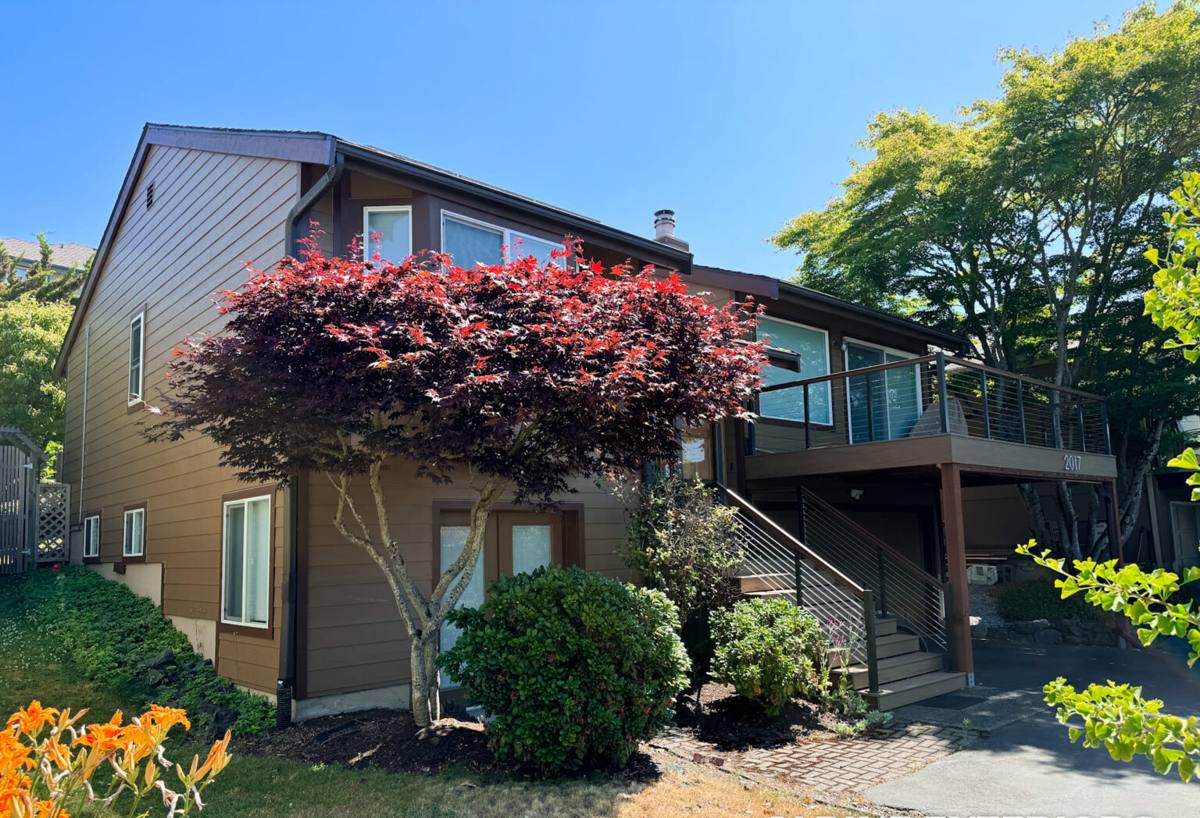
Why Birch Bay Roofs Take Extra Punishment
Three things stack up against roofs in this area, and they compound each other:
Salt Air
Homes close to the water deal with airborne salt that settles on roofing materials and metal flashing. Over years, that salt exposure accelerates corrosion on nails, flashing, vents, and any exposed metal fasteners. A fastener that would last decades inland can start failing years earlier here, which is often the real cause behind a "mystery" leak that shows up after a storm — the storm didn't cause the failure, it just found it.
Driving Rain
Wind off the water doesn't just blow — it drives rain sideways and up under roof edges, ridge caps, and anywhere flashing isn't sealed tight. Storm damage here isn't always a dramatic missing shingle. Often it's wind-driven water finding a small gap that would never leak in a straight-down rain, and pushing moisture into the roof deck and attic.
Long Moss Season
Western Whatcom County stays damp for most of the year, and Birch Bay's cooler, shaded roof sections can hold moisture even longer. Moss and algae take hold on north-facing slopes and anywhere debris collects, and moss growth lifts shingle edges and holds water against the roof surface. A storm can rip loose shingles that moss has already been prying up for a season or two — the storm gets blamed, but moss did the groundwork.
Common Storm Damage We Find in Birch Bay
- Lifted or missing shingles along roof edges and ridgelines, where wind uplift is strongest
- Flashing pulled loose around chimneys, skylights, and roof-to-wall transitions
- Wind-driven water intrusion at eaves and valleys, sometimes with no visible exterior damage
- Granule loss on shingles from heavy, wind-blown rain and hail, thinning their weather resistance
- Corroded or bent metal flashing and vent boots, weakened by salt air before the storm ever hit
- Moss-related shingle lift that a storm's wind finishes tearing loose
- Debris impact from tree limbs or wind-thrown material, especially on properties with mature trees nearby
What a Correct Storm Damage Repair Actually Involves
A rushed repair after a storm often just patches the visible symptom. A correct one checks the roof as a system, because storm damage rarely stays contained to one spot.
1. Full Roof Assessment, Not Just the Obvious Spot
We check the whole roof, not just where the homeowner spotted a problem. Wind damage on one slope often means we should check the opposite slope and ridge too, since storms rarely damage a roof symmetrically.
2. Attic and Decking Check
Where there's any sign water got in, we check the attic side — decking, insulation, and framing — for staining or soft spots. Catching a soaked section of decking now is a lot cheaper than discovering rot in it two years from now.
3. Flashing Inspected and Resealed or Replaced
Given how much salt-air corrosion we see on this coastline, flashing gets a real inspection, not a glance. Corroded flashing gets replaced rather than resealed, since sealant over corroded metal is a short-term fix at best.
4. Matching Materials, Proper Technique
Replacement shingles and flashing are installed to match existing roofing as closely as possible and tied in correctly — proper overlap, correct fastener pattern, and nailing that accounts for the wind exposure this location gets.
5. Moss and Debris Cleared as Part of the Job
If moss or trapped debris contributed to the damage, we clear it as part of the repair, not as a separate upsell. Leaving it in place means the same failure point is likely to come back.
Our Process for Birch Bay Storm Calls
- Call or request an estimate. Tell us what you noticed — a leak, missing shingles, debris on the roof — and roughly when the storm hit.
- On-site inspection. We walk the roof and check the attic where accessible, documenting what we find.
- Straight explanation of what's actually needed. We tell you what's storm damage, what's pre-existing wear (like moss or corrosion) the storm exposed, and what can wait versus what shouldn't.
- Written estimate before any work starts. No surprise scope changes once we're up there.
- Repair completed and area cleaned up. Old materials and debris are hauled off, not left in the yard.
Repair vs. Replacement: How We Decide
Not every storm-damaged roof needs full replacement, and not every roof can be patched and called good. Here's how we generally think through it:
| Factor | Leans Toward Repair | Leans Toward Replacement |
|---|---|---|
| Roof age | Under 12-15 years, good overall condition | Near or past expected lifespan |
| Extent of damage | Isolated to one section or slope | Widespread across multiple slopes |
| Underlying condition | Decking and structure sound | Soft decking, rot, or repeated past leaks |
| Moss/algae history | Minor, cleaned as part of repair | Heavy, long-term growth undermining multiple areas |
| Flashing condition | Localized corrosion, spot-replaceable | Widespread salt-air corrosion throughout |
We'll always tell you honestly which side of that line your roof falls on. A roof that only needs a repair doesn't need to be sold as a replacement, and we don't operate that way.
Insurance Claims After a Storm
Many storm damage repairs in Birch Bay go through homeowners insurance, especially when wind or falling debris causes clear, datable damage. A few things matter here:
- Document damage with photos as soon as it's safe to do so, before any temporary repairs
- A written, itemized estimate from us gives your adjuster something specific to work from
- Pre-existing issues like long-term moss damage or corrosion typically aren't covered as "storm damage," and a good contractor will be upfront about which parts of the repair fall into which category
- We're happy to walk an adjuster through what we found on-site if that's useful to your claim
Preventing the Next Storm's Damage
Because Birch Bay's exposure doesn't let up between storms, a few maintenance habits make a real difference:
Seasonal Roof Checks
A quick inspection before winter storm season and again in spring catches lifted shingles, clogged gutters, and early moss growth before they turn into leaks.
Gutter and Debris Clearing
Clogged gutters back water up under roof edges during heavy rain — one of the more preventable causes of interior damage we see after storms.
Moss Treatment on a Schedule
Given how long the moss season runs here, treating and clearing moss annually — not just when it's visibly bad — keeps it from lifting shingles in the first place.
Flashing Checks Given the Salt Air
Because corrosion is accelerated this close to the water, flashing and metal components benefit from a closer look than a standard inland inspection schedule would call for.
Why Hire a Crew That Already Works Birch Bay
Storm damage repair isn't just a generic skill — it's shaped by what the local climate does to a roof over years. A crew that regularly works Birch Bay and the surrounding Whatcom County coastline already knows which flashing details tend to fail here, how aggressive the moss growth gets on shaded slopes, and how wind off the water tends to move across a roof during a storm. That local pattern recognition is the difference between a repair that addresses the actual cause and one that just patches what's visible and waits for the next storm to find the next weak spot.
If a recent storm left your Birch Bay roof with missing shingles, a new leak, or anything that just doesn't look right, we're glad to take a look. Request a free, no-pressure estimate using the form below and we'll tell you honestly what we find and what it'll take to fix it right.