 Blaine Siding
 Roof Repair Built for the Peace Arch Area
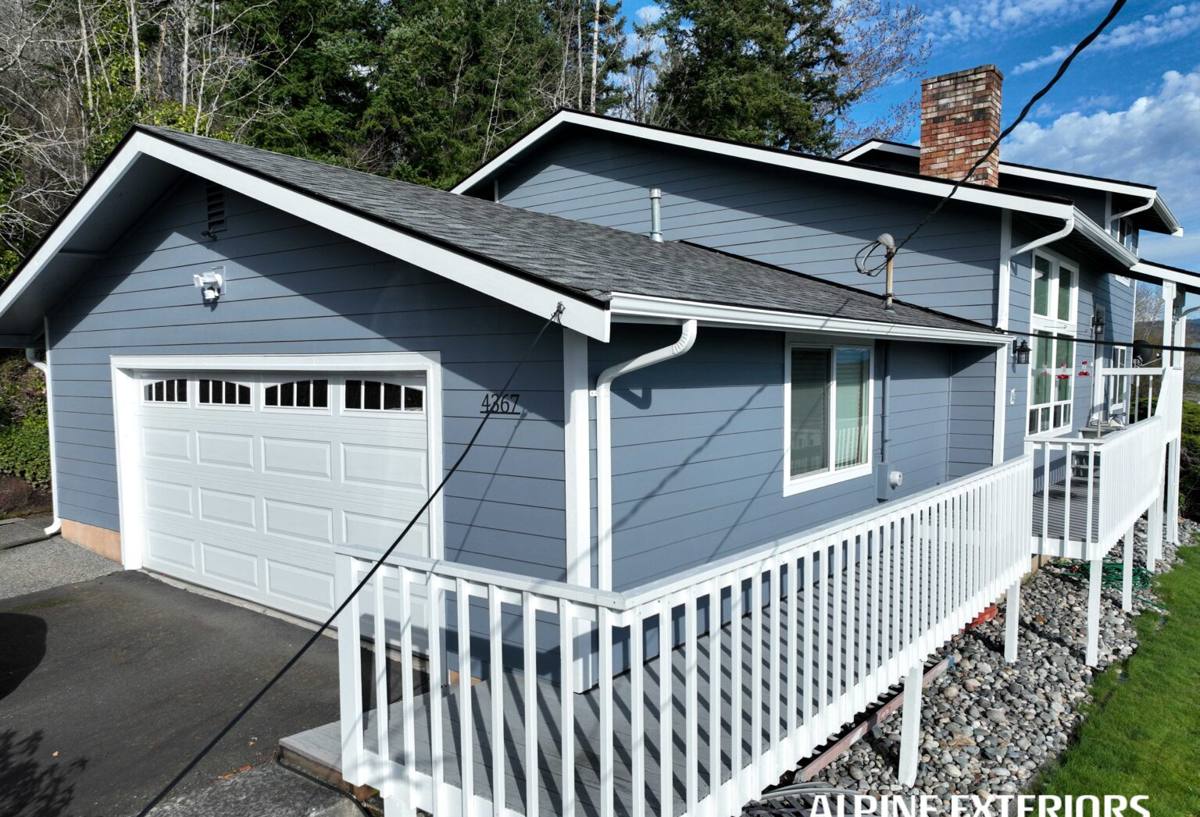
Homes near Peace Arch sit right where Blaine meets the water and the border. That location is part of what makes the neighborhood special, and it's also exactly why roofs here take more punishment than roofs a few miles inland. Salt-laden air off the bay, wind-driven rain that comes in sideways during winter storms, and a moss season that can run eight or nine months a year all work on a roof at the same time. A repair that would hold up fine in a dry inland climate can fail here in a season or two if it isn't done with these conditions in mind.
This page is about roof repair specifically — not full tear-offs or new installations. Most of the calls we get from Peace Arch are about a leak, a stain on a ceiling, missing or lifted shingles after a windstorm, or moss that's been left too long and started holding water against the roofing material. We treat each of those as its own diagnosis, not a one-size patch job.
Why the Local Climate Changes the Job
Salt Air and Metal Fatigue
Flashing, fasteners, and any exposed metal on a roof near the water corrode faster than the same materials would inland. We see it most at valleys, chimney flashing, and vent boots — thin metal that's been fine for years suddenly starts pinholing or lifting at the seams. A repair that reuses corroded flashing instead of replacing it is a repair that fails again within a year or two.
Driving Rain and Wind Direction
Storms coming off the water don't just fall straight down — they push rain sideways and up under laps, ridge caps, and trim that would shed water fine in a calmer climate. Repairs in this area need to account for wind direction, not just gravity. That affects how we lap materials, how far we extend flashing, and where we add sealant versus relying on overlap alone.
Moss Season
Whatcom County's damp, mild winters and shaded lots near mature tree cover give moss almost year-round conditions to establish. Once moss gets a foothold on shingles or shakes, it holds moisture against the surface, lifts edges, and accelerates granule loss or wood decay underneath. A lot of "roof repairs" we get called for near Peace Arch actually start as a moss problem that was never dealt with.
Signs a Peace Arch Roof Needs Repair
Most roof problems give some warning before they become an active leak. Catching them early is almost always cheaper and less disruptive than waiting.
- Dark streaking or green/black growth on shingles, especially on north-facing or shaded slopes
- Granules collecting in gutters or at the base of downspouts
- Curling, cracking, or lifted shingle edges, particularly after a windstorm
- Rust streaks or visible corrosion around flashing, vents, or chimney bases
- Water stains on interior ceilings or in the attic, even faint or intermittent ones
- Sagging or soft spots when walking the attic deck (never the roof surface itself)
- Daylight visible through the roof deck from inside the attic
- Moss thick enough that you can't see the shingle texture underneath
What a Correct Roof Repair Actually Involves
Diagnosis Before Anything Else
Water travels. A stain on a bedroom ceiling doesn't mean the leak is directly above it — it could be entering several feet away at a flashing seam or roof-wall intersection and running along a rafter before it shows up inside. We trace the actual entry point before we patch anything, because patching the visible symptom without finding the source just delays the next leak.
Flashing and Roof-to-Wall Transitions
Some of the most common leak points on Peace Arch homes aren't in the open field of the roof at all — they're where the roof meets a wall, chimney, skylight, or dormer. These transitions rely on step flashing, counterflashing, and sometimes sealant working together correctly. Because we work on siding as much as roofing, we pay close attention to this intersection specifically, since a flashing detail can look fine from the ground and still be letting water behind the siding.
Shingle, Shake, and Material-Specific Repair
Repair technique depends on what's already on the roof. Asphalt shingles are typically cut and replaced in sections, matched as closely as possible to the surrounding material. Cedar shake repair involves splitting and fitting individual shakes so the repair sheds water the same way the surrounding courses do. Metal roofing repair is almost always about fastener and seam integrity rather than the panel material itself. We tell homeowners upfront which category their roof falls into and what that means for the repair.
Moss and Debris Removal Done the Right Way
Pressure washing a roof can do more damage than the moss itself by driving water under shingles or stripping protective granules. We remove moss and organic debris by hand or with low-pressure methods, then address the underlying cause — usually shade, poor airflow, or debris buildup in valleys — so it doesn't come back in a single season.
Repair vs. Replacement: How We Decide
Not every roof problem calls for a full replacement, and not every roof is worth continuing to patch. We walk through the same factors on every job so the recommendation is based on the roof's actual condition, not on which answer is easier to sell.
| Factor | Repair Is Usually Right | Replacement Should Be Considered |
|---|---|---|
| Age of roofing material | Well within expected service life | At or past typical lifespan for the material |
| Extent of damage | Isolated to one area or detail | Spread across multiple slopes or repeated failures |
| Roof deck condition | Solid, dry, no rot found during diagnosis | Soft spots, rot, or delamination present |
| Repair history | First or second repair in this area | Same spot has been patched multiple times |
| Moss/algae staining | Surface growth, granules intact underneath | Granule loss and material breakdown under the growth |
Costs vary a lot depending on which of these apply. A single flashing repair or a small section of shingle replacement is often a modest, straightforward expense. Addressing widespread moss damage, multiple leak points, or deck repair underneath the roofing runs higher because more of the roof system is involved. We give a written estimate before any work starts, so there's no guessing.
Our Process From Call to Finished Repair
- Inspection. We look at the roof, the attic where accessible, and any interior damage to understand the full picture, not just the spot you noticed.
- Written estimate. You get a clear scope of work and price before we do anything — what's being repaired, with what materials, and why.
- Repair. We do the work using materials and methods matched to your roof type and to Whatcom County's coastal exposure.
- Walkthrough. We show you what was done and what to watch for, including any maintenance that will extend the life of the repair.
We don't upsell a replacement on a repair call unless the roof's condition genuinely warrants that conversation — and if it does, we'll explain exactly what we found and why.
Materials and Methods: Our Standard, Not a Sales Pitch
We choose repair materials based on how they perform in a marine, high-moisture climate — not just on upfront cost. That sometimes means using a heavier-gauge flashing than the minimum, or a sealant rated for continuous UV and moisture exposure rather than a general-purpose product. These choices add a modest cost to a repair but reduce the chance of calling us back for the same leak in two years. We're happy to walk through the specific products we're proposing on your roof and why, including the maintenance trade-offs of each option.
Why Local Experience in Peace Arch Matters
A roof repair crew that regularly works this part of Blaine already knows which details tend to fail first in this exposure — which flashing types corrode fastest near the water, which slopes hold moss longest given the tree cover and shade patterns common in the neighborhood, and how far wind-driven rain typically pushes under a lap in a winter storm. That's not something you can fully diagnose from a photo or a five-minute drive-by. It comes from doing this work, on this kind of coastline, repeatedly.
Maintenance That Extends a Repair's Life
A good repair still needs some basic upkeep in this climate to reach its full lifespan.
- Clear valleys and gutters of debris at least twice a year, more often near mature trees
- Address moss while it's still light growth rather than waiting for heavy coverage
- Trim back branches that keep a section of roof shaded and slow to dry
- Have flashing and sealant checked every few years, especially after major storms
- Check the attic occasionally for early signs of moisture, not just after a visible leak
If you're dealing with a leak, storm damage, or a roof that's been quietly losing the battle with moss near Peace Arch, we're glad to take a look. The estimate is free, there's no pressure to commit to anything beyond what your roof actually needs, and you can start with the form below.