 Blaine Siding
 Why the Peace Arch Area Is Hard on Roofs
Homes near the Peace Arch in Blaine sit right where salt-laden air off the water meets some of the wettest, cloudiest weather in Whatcom County. That combination is harder on a roof than most homeowners realize. Salt air corrodes exposed metal fasteners and flashing faster than it would inland. Driving rain, especially in wind-driven storms that come straight off the water, finds every weak seam and gap in aging roofing. And the long, mild, shaded moss season here — often running most of the year in the Pacific Northwest — keeps roof surfaces damp enough for moss and moisture to take hold and work their way under shingles.
A roof built for a drier, sunnier climate simply doesn't hold up the same way here. A correct installation for this area accounts for all three of these stresses from the start, not as an afterthought.
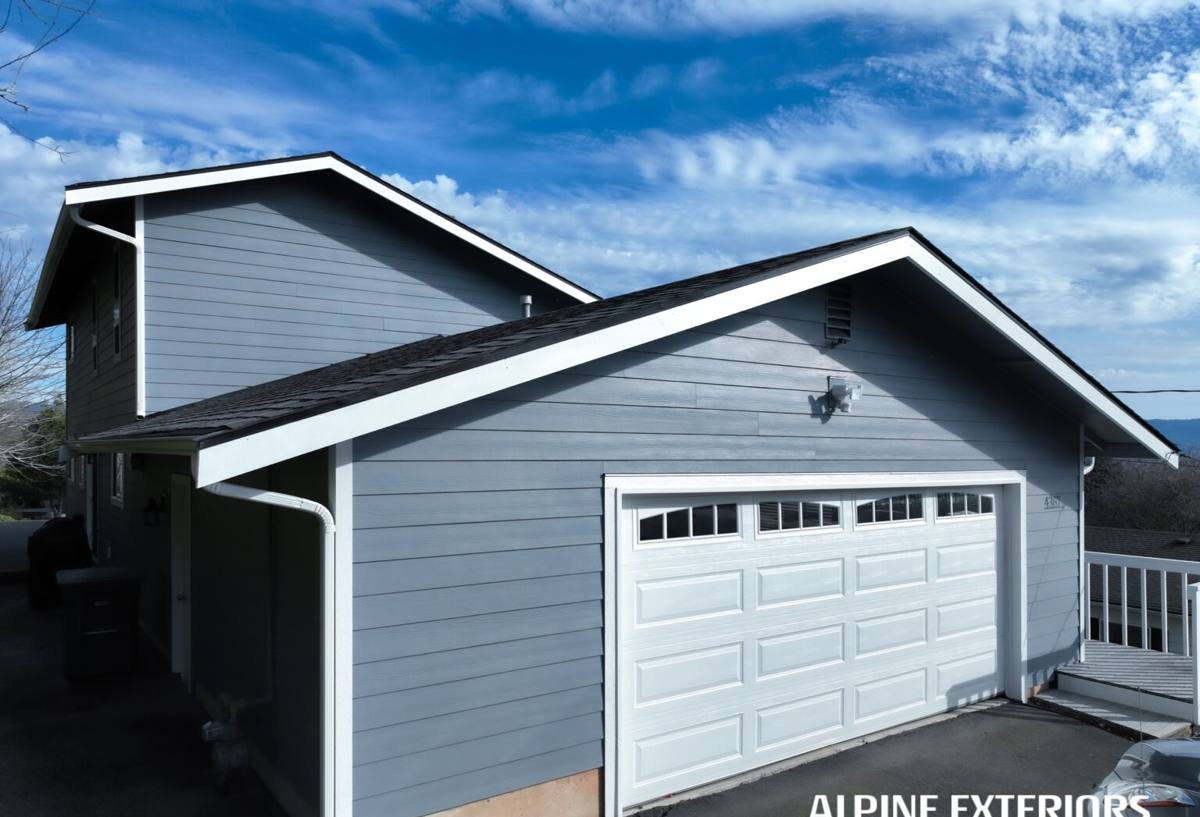
Signs a Peace Arch Home Needs a New Roof, Not Another Repair
Roof repairs make sense when the damage is isolated and the roof still has years of life left. A full replacement makes more sense once the roofing system as a whole is failing. Here's what we look for when deciding which one a home actually needs:
- Shingles that are cupping, curling, or losing granules across large sections of the roof, not just one spot
- Moss buildup that keeps returning within a season or two of cleaning
- Soft or spongy decking felt underfoot in the attic, especially near valleys and eaves
- Daylight visible through the roof deck or staining on attic sheathing
- Flashing around chimneys, vents, and skylights that's rusted, lifted, or was never properly step-flashed
- A roof at or past 20-25 years old (for asphalt shingle) that's never had major work
- Rising energy bills tied to poor attic ventilation, along with visible condensation in the attic
If a roof shows two or three of these at once, patch repairs usually just delay the inevitable and can end up costing more over time than a planned replacement.
What a Correct New Roof Installation Actually Involves
Tear-Off and Deck Inspection
We strip the old roofing down to the deck rather than layering over it. That's the only way to see what's actually happening underneath — soft spots, rot, or old water damage that's been hidden for years. Any damaged decking gets replaced before anything new goes down. Skipping this step is one of the most common shortcuts in the trade, and it's the one that causes the most expensive problems five or ten years later.
Underlayment and Ice-and-Water Protection
Given how much driving rain this area sees, we don't treat underlayment as an afterthought. Self-adhering waterproof membrane goes at eaves, valleys, and around every penetration — the places wind-driven rain is most likely to force its way in. A synthetic underlayment covers the rest of the deck as a second line of defense under the shingles or panels.
Flashing Done Right
Flashing failures, not shingle failures, are behind most roof leaks we're called out to fix. Step flashing at walls, proper counter-flashing at chimneys, and correctly lapped flashing at valleys all matter more in a wet, salt-air climate than they would somewhere drier, because corrosion and water intrusion happen faster here when flashing is undersized or installed loosely.
Ventilation
Balanced intake and exhaust ventilation keeps the attic close to outdoor temperature and moisture levels. Without it, warm moist air condenses against the roof deck from underneath, which rots sheathing and feeds moss and mildew from the inside out — a problem we see often in homes with older, undersized ridge or soffit vents.
Roofing Materials: What Holds Up Near the Water
Material choice matters more here than in drier parts of the state. The table below reflects our honest assessment of how common roofing materials perform against salt air, sustained rain, and moss — not marketing claims.
| Material | Salt Air / Corrosion Resistance | Moss Resistance | Typical Lifespan |
|---|---|---|---|
| Architectural asphalt shingle | Good with corrosion-resistant fasteners and flashing | Fair; benefits from zinc/copper strips and regular cleaning | 25-30 years |
| Standing seam metal | Very good with properly coated, marine-grade fasteners | Very good; sheds moisture, little surface for moss to grip | 40-50+ years |
| Cedar shake | Fair; needs regular maintenance in salt air | Poor without diligent upkeep; retains moisture | 20-30 years with upkeep |
| Composite/synthetic shingle | Good | Fair to good depending on product | 30-50 years |
We don't push cedar shake for homes this close to the water as our default recommendation. It can look great, but it holds moisture longer than other options and needs more consistent maintenance to avoid rot and moss in a climate that's damp most of the year — that's a maintenance-burden trade-off worth knowing up front, not a knock on the material itself. For most Peace Arch homes, a quality architectural shingle or standing seam metal roof, installed correctly, gives the best balance of upfront cost and long-term performance.
Our Installation Process
- On-site inspection: We walk the roof and attic, check the decking, ventilation, and flashing conditions, and take measurements.
- Written estimate: A clear, itemized quote covering materials, labor, tear-off, disposal, and any deck repair allowance.
- Material selection: We walk through options suited to the home's exposure, roof pitch, and budget.
- Tear-off and deck repair: Old roofing removed, deck inspected and repaired as needed before anything new is installed.
- Underlayment, flashing, and ventilation installation: The parts that determine whether the roof actually keeps water out for its full lifespan.
- Final roofing material installation: Shingles, panels, or shakes installed to manufacturer specification, not shortcuts.
- Cleanup and final walkthrough: Site cleared of debris and nails, and we go over the finished roof with the homeowner.
What Affects the Cost of a New Roof Here
Every roof is different, and we won't quote a number without seeing the roof, but these are the main factors that move the price up or down for homes in this area:
| Factor | Why It Matters |
|---|---|
| Roof size and pitch | Steeper, more complex roofs take longer and require more safety equipment and material waste |
| Number of layers to remove | Multiple old layers mean more tear-off labor and disposal cost |
| Deck condition | Rotted or soft decking found during tear-off adds material and labor to repair before new roofing goes down |
| Material choice | Asphalt shingle, metal, and cedar carry different material and installation costs |
| Ventilation and flashing upgrades | Bringing older ventilation or flashing up to current standards adds some cost but prevents future problems |
| Chimneys, skylights, valleys | Each penetration adds flashing detail work and time |
As a broad range, most full roof replacements on typical single-family homes in this area run somewhere in the low five figures to the low-to-mid twenty-thousands, depending on the factors above. A written, itemized estimate after an actual roof inspection is the only reliable way to know where a specific home falls.
Why It Matters That We Already Work in Peace Arch
A crew that already works homes in the Peace Arch area of Blaine knows the roofing failures this specific microclimate produces — moss returning in shaded valleys, corrosion at flashing points closest to the water, and wind-driven leaks at wall-to-roof transitions facing open exposure. That's different from general roofing knowledge, and it shows up in the small decisions made on a job: which fastener grade to use, where to add extra underlayment, and how much ventilation a particular attic actually needs. Whatcom County's building requirements and permitting process are also things we handle routinely rather than learning on the fly.
Protecting a New Roof After Installation
A correctly installed roof still needs some basic upkeep in this climate to reach its full lifespan. We walk every customer through this, but as a general reference:
- Have gutters cleaned at least twice a year so water isn't backing up under the roof edge
- Keep overhanging branches trimmed back to reduce shade and debris buildup that feeds moss
- Schedule a moss treatment or gentle cleaning if growth starts returning, rather than waiting until it's heavy
- Check attic ventilation isn't blocked by insulation or storage after any attic work
- Have flashing and roof penetrations visually checked after major storms
- Address any small leak or stain immediately rather than waiting for it to spread
None of this is difficult, but it's the difference between a roof that reaches 30 years and one that starts failing at 15 because moisture problems went unaddressed.
If your roof is showing its age or you're planning ahead, we're happy to take a look and give you a straight answer about what your home actually needs. There's no pressure and no obligation — just fill out the form below to schedule a free estimate.