 Blaine Siding
 Why Board & Batten Fits Grandview — and Where It Can Go Wrong
Board and batten has become one of the most requested siding profiles in Grandview, and for good reason. The vertical lines read as clean and modern on newer builds, but they also work on older Whatcom County homes that want a fresh, distinctive look without going full farmhouse. What most homeowners don't realize is that board and batten isn't just a style choice — it's a different water-management system than horizontal lap siding, and in Grandview's climate, that system has to be built correctly or it becomes a liability instead of an upgrade.
Grandview sits close enough to the water that salt-laden air is a constant, not an occasional weather event. Combine that with Whatcom County's long stretch of driving rain each fall and winter, and a moss season that can run half the year on shaded north and east elevations, and you have three separate stressors acting on the siding at once: corrosion, water intrusion, and organic growth. Board and batten can handle all three — but only when the panel material, the fasteners, and the flashing details are chosen with this specific exposure in mind.
Salt Air and Metal Fasteners
The vertical battens in this siding style are fastened directly through to the wall assembly in far more places than a standard lap profile. Every one of those fastener heads is a small point of metal exposed to salt air. Standard fasteners will streak, corrode, and eventually loosen years before they should, which shows up as rust bleed on the face of the siding and, eventually, movement in the battens themselves. Correct fastener selection for a home this close to the water isn't optional — it's the difference between a batten system that stays tight for decades and one that needs re-fastening within ten years.
Long Moss Season and Shaded Exposures
Board and batten's vertical grooves actually help here compared to some other vertical profiles — water runs down and off rather than pooling in a horizontal reveal. But the batten strips themselves create narrow shaded channels, and on the north- and east-facing walls common in Grandview's tree-lined lots, those channels stay damp longer after each rain. Moss and mildew take hold in exactly that kind of narrow, shaded, slow-to-dry space. The material behind the batten has to tolerate sustained moisture contact without swelling, softening, or feeding the growth — which rules out a lot of what's sold as board and batten siding today.
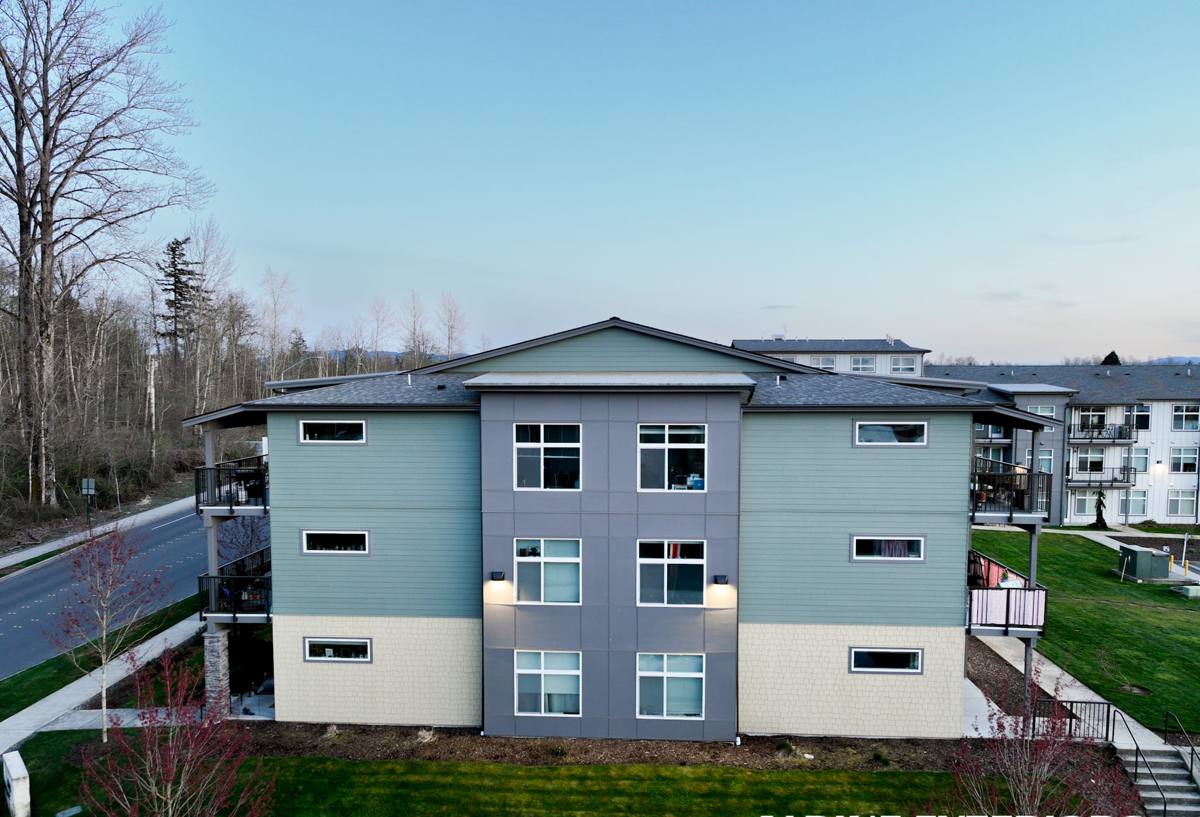
What a Correct Board & Batten Installation Actually Involves
Board and batten looks simple from the curb — vertical panels, vertical strips over the seams — but the assembly behind that look is more demanding than a standard lap job. A rushed or under-detailed install can look identical to a correct one on installation day and still fail years earlier.
The Panel and Batten System
A proper system uses a wide vertical panel as the field material with narrower battens fastened over the seams between panels, hiding the joint and creating the shadow-line look. The panel has to be rated for vertical application and sized correctly for the wall height without unnecessary horizontal seams, since every horizontal joint is another place water can get behind the cladding.
Flashing, Gaps, and Drainage
Behind the panels, a drainage plane and a rainscreen gap let any moisture that does get past the surface drain and dry out instead of sitting against the wall sheathing. At the base of the wall, around windows, and at any horizontal transition, flashing has to be integrated so water is directed out and away rather than trapped behind the battens. Panels also need a gap at the bottom and at trim intersections, per the manufacturer's install specs, so the material can expand and contract without buckling.
Fasteners and Attachment
In a coastal-influenced climate, fastener material and spacing both matter. Corrosion-resistant fasteners driven at the correct depth and spacing keep the battens tight to the wall for the life of the siding. Over-driven or under-driven fasteners are one of the most common defects we find when we're asked to look at a board and batten job that's failing early — it's rarely the siding material itself that's the problem.
Why We Install Only James Hardie Fiber Cement for This
We install James Hardie fiber cement exclusively, and board and batten is one of the profiles where that decision matters most. Fiber cement doesn't absorb water the way wood-based products can, so it doesn't swell, delaminate, or feed moss growth the way a moisture-compromised wood fiber panel will over time in a shaded, damp corner. Hardie's factory-applied ColorPlus finish is baked on and warranted against fading and flaking, which matters on a profile like board and batten where the color runs in long, unbroken vertical lines — any inconsistency in a field-applied finish is far more visible here than it would be on a busier lap profile.
James Hardie also engineers its fiber cement for specific climate zones rather than selling one product nationwide. For a coastal Pacific Northwest exposure like Blaine's, that means a formulation built to handle sustained moisture exposure rather than a product designed primarily for a drier or freeze-dominant climate. Combined with a strong, transferable manufacturer warranty, that's a meaningfully different risk profile than the alternatives.
We don't install vinyl board and batten, engineered wood panels (like LP SmartSide), or primed wood or cedar battens. Each of those has a legitimate place in the market and each does something well — but none of them holds up the same way, over the same time frame, against salt air and sustained coastal moisture, which is the exposure every board and batten job in Grandview actually has to survive.
Comparing Board & Batten Material Options
| Material | Moisture Behavior Near Salt Air | Finish Durability | Typical Long-Term Concern |
|---|---|---|---|
| James Hardie fiber cement | Does not absorb and swell; non-combustible | Factory ColorPlus finish, warranted | Requires correct fastening and flashing at install |
| Engineered wood panel (LP-type) | Wood-based core can swell if edges/seams aren't sealed and maintained | Field or factory finish, can weather unevenly | Edge and seam moisture intrusion over time |
| Vinyl board and batten | Doesn't absorb water, but seams and battens can allow moisture behind the panel | Color is through-body but can fade/chalk in strong UV and salt exposure | Can warp or become brittle with age and temperature swings |
| Primed wood or cedar battens | Natural wood absorbs moisture readily | Requires ongoing paint/stain maintenance | Rot, splitting, and moss/mildew growth in shaded, damp areas |
Our Process for a Grandview Board & Batten Project
We approach every board and batten job the same methodical way, whether it's a full re-side or a single wall accent:
- Walk the exterior and identify moisture-exposed elevations, existing damage, and any areas where the current siding or trim has already trapped water.
- Confirm or correct the water-resistive barrier and drainage plane behind the new siding before a single panel goes up.
- Install panels plumb and true, with manufacturer-specified gaps at trim, windows, and the foundation line.
- Flash every horizontal transition, window, and penetration before battens go over the seams.
- Fasten with corrosion-resistant fasteners at correct spacing and depth, verified as we go rather than checked after the fact.
- Walk the finished job with the homeowner and point out how the drainage and flashing details were handled, since most of that work is invisible once the battens are on.
Living With Board & Batten in a Wet, Salty Climate
A correctly installed Hardie board and batten system needs very little from a homeowner, but a little seasonal attention goes a long way in this climate:
- Rinse salt residue and grime off the siding once or twice a year, especially on wind-exposed elevations, with a garden hose and soft brush — avoid high-pressure washing directly into seams.
- Keep gutters clear and check that downspouts direct water away from the wall base, since standing water at the bottom of any panel is the most common source of long-term problems.
- Trim back vegetation and tree limbs that keep a wall shaded and damp longer than the surrounding exterior — this is the single biggest factor in early moss growth.
- Look at caulking around windows, doors, and trim intersections annually and have any cracked or missing sections resealed before the wet season sets in.
- Note any soft spots, staining, or peeling near the base of the wall or around penetrations and have them checked promptly rather than waiting for a full season to pass.
What Board & Batten Siding Costs in This Area
Board and batten typically runs somewhat higher than a standard lap installation on the same wall, mainly because of the extra batten material and the additional fastening and flashing labor. Exact numbers depend on the specifics of the home, but the factors below are what actually move the price:
| Cost Factor | Why It Matters |
|---|---|
| Wall height and complexity | Taller walls and multiple gables mean more panel seams, more battens, and more cut waste |
| Existing siding removal | Tear-off, disposal, and sheathing inspection add labor before new siding can go up |
| Moisture or rot repair | Any compromised sheathing or framing found during tear-off has to be repaired before installation continues |
| Trim and detail work | Window and door surrounds, corner boards, and transitions all add material and labor |
| Color and finish selection | Factory ColorPlus finishes vary in price by color and line |
Why Local Experience in Grandview and Blaine Matters
A siding crew that hasn't worked this specific stretch of Whatcom County coastline doesn't always account for how differently salt air and prolonged rain treat a home compared to an inland job. We've priced, flashed, and fastened board and batten jobs with this exact exposure in mind — not a generic climate assumption from a training manual written for a different region. That matters most in the details nobody notices until they fail: fastener choice, flashing sequencing, and where moss is most likely to take hold given the sun and shade pattern on a particular lot.
If you're considering board and batten for a home in Grandview, we're glad to walk the exterior with you, talk through what your specific elevations need, and give you a straightforward, no-pressure estimate using the form below.