 Blaine Siding
 Why Ferndale's Climate Is Hard on Windows
Ferndale sits close enough to the water that salt-laden air reaches window frames, hardware, and glazing on a regular basis, and it sits squarely in the same wet weather pattern that soaks the rest of Whatcom County for most of the year. That combination is tougher on windows than most homeowners realize. Salt air accelerates corrosion on metal components. Driving rain off Pacific storms finds any weak point in flashing and pushes water sideways, not just down. And the long, damp shoulder seasons here create a moss and mildew season that can run from fall through spring, not just a few weeks in winter.
Salt Air and Hardware Fatigue
Window locks, hinges, balance systems, and screen frames take the brunt of salt exposure. Standard mill-finish aluminum and lower-grade steel hardware can pit and stiffen years before the glass or frame shows any wear. Weep holes — the small drainage channels built into most window sills — can also clog faster near the coast as salt residue and windblown grit build up, which traps water right where it shouldn't sit.
Driving Rain and Wind-Driven Moisture
Rain that falls straight down is easy to shed. Rain that's being pushed horizontally by wind is a different problem, because it tests every seam, joint, and flashing detail around a window opening. A window that performs fine in a light, calm shower can still leak during a wind-driven storm if the flashing wasn't lapped correctly or the sill wasn't sloped and pan-flashed to carry water back out.
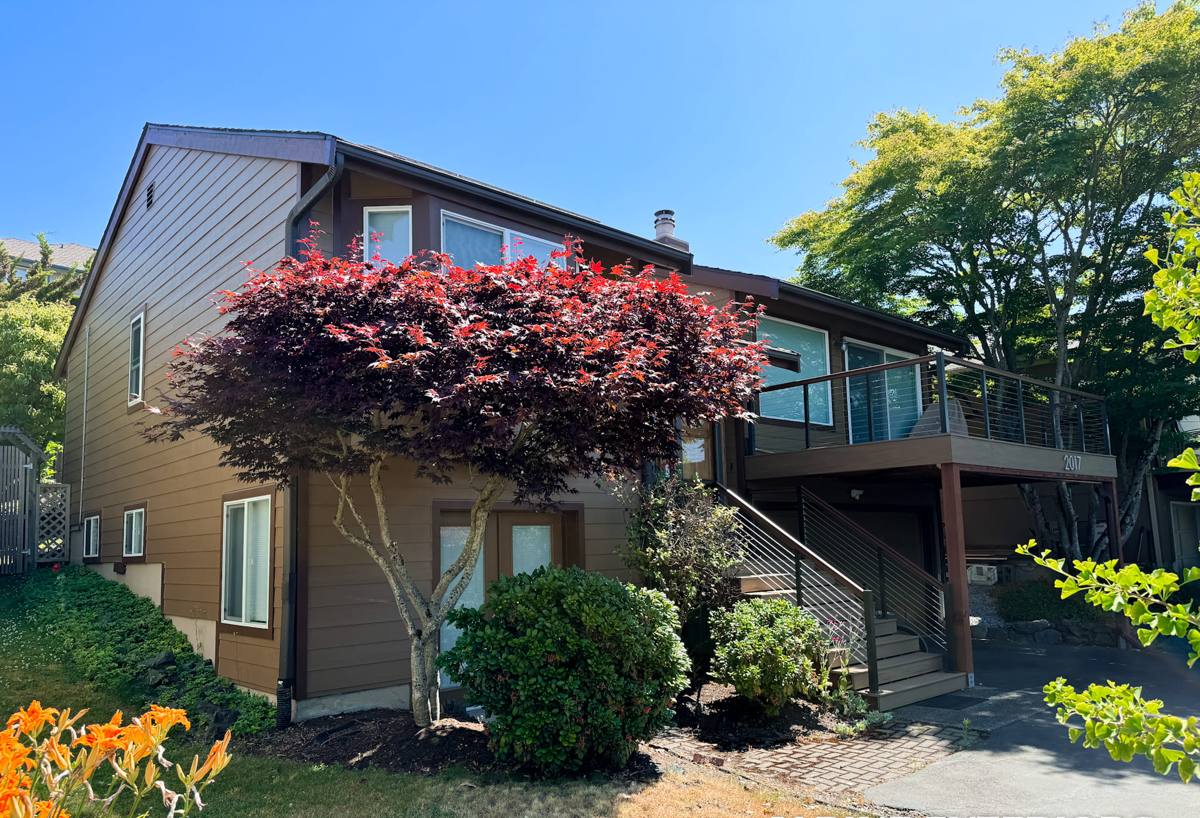
Signs Your Ferndale Home Needs New Windows
Not every drafty window needs full replacement, and not every old window is a lost cause. These are the signs worth taking seriously:
- Fogging or a permanent haze between panes — the sealed gas fill has failed and can't be fixed, only replaced
- Visible wood rot, soft spots, or dark staining at the sill or lower frame corners
- Windows that are hard to open, close, or lock, or that have started sagging in the frame
- Moss or persistent mildew growth on wood trim or sills that keeps coming back after cleaning
- Condensation forming on the inside of the glass during cold snaps, especially on north-facing rooms
- A noticeable draft you can feel with your hand near the frame on a windy day
- Original single-pane glazing still in place on an older farmhouse-style home
- Rising heating bills with no other explanation
What a Correct Window Installation Actually Involves
The window itself is often the easy part. What separates a job that lasts twenty-plus years from one that leaks within a few winters is almost entirely in the details around the window — the flashing, the air sealing, and how the new unit ties into the rest of the wall assembly.
A correct installation includes a sloped sill pan that directs any water that gets past the exterior seal back outside instead of into the wall cavity, proper shingle-lap integration with the home's existing weather-resistive barrier (housewrap or building paper) so water always drains down and over, not behind, and a quality backer rod and sealant joint at the exterior trim — not just a bead of caulk smeared over a gap. On the inside, the space between the window frame and the rough opening needs to be filled with a low-expansion foam or backer material rather than a full-expansion foam that can bow the frame and throw off the window's operation.
New Construction vs. Retrofit (Pocket) Installation
There are two basic approaches. A new-construction or full-frame installation removes the window down to the rough opening, which lets us inspect and repair any hidden rot in the framing and start the flashing from scratch — this is the right call whenever there's any sign of water damage. A retrofit or pocket installation fits a new window into the existing frame and is faster and less disruptive, but it only makes sense when the existing frame is still sound and properly flashed. Part of our job on the initial visit is telling you honestly which one your home actually needs, not defaulting to whichever is easier for us.
Choosing the Right Window for Salt Air and Driving Rain
Frame material matters more here than it does in a drier, inland climate. The table below reflects how the common options actually hold up under Whatcom County's coastal conditions, not just their price tag.
| Frame Material | Moisture Behavior | Coastal/Salt Air Durability | Maintenance | Typical Lifespan |
|---|---|---|---|---|
| Vinyl | Won't rot; can become brittle with age and UV exposure | Good — no corrosion risk on the frame itself, but check hardware quality | Low | 20–30 years |
| Fiberglass | Very stable, minimal expansion/contraction with temperature swings | Very good — resists both moisture and salt exposure well | Low | 30–40 years |
| Wood-Clad (vinyl or aluminum exterior) | Interior wood needs the exterior cladding to stay intact to avoid moisture intrusion | Depends on cladding quality; failure points are usually at corner joints | Moderate | 20–30 years with maintained cladding |
Whichever material you choose, hardware quality deserves as much attention as the frame. Locks, hinges, and balance systems with a marine-grade or powder-coated finish will outlast standard mill-finish hardware by years in this environment, and the difference in cost is small compared to the difference in service life.
Our Installation Process, Start to Finish
- On-site assessment — we measure every opening, check the condition of the existing sill and framing, and look for signs of past water intrusion before we quote anything
- Product selection and a written estimate that spells out frame material, glass package, and scope of work
- Scheduling built around realistic weather windows, since flashing and sealant work needs a dry install day to cure properly
- Careful removal of the old window with an inspection of the rough opening for hidden rot before the new unit goes in
- Sill pan flashing and correct weather-resistive barrier integration around the opening
- Setting the window level, plumb, and square, then fastening it per manufacturer specification — this affects both operation and warranty coverage
- Insulating the gap, air sealing, and finishing interior and exterior trim
- Full cleanup and haul-away of the old windows and debris
- A walk-through with you to confirm everything opens, closes, and locks the way it should
Cost Factors for Window Installation in Ferndale Homes
Every home is different, so we won't quote a number without seeing the job, but these are the factors that actually move the price up or down.
| Factor | Why It Affects Cost |
|---|---|
| Number of openings | More windows mean more labor and material, but per-window cost usually drops on larger projects |
| Frame material | Vinyl, fiberglass, and clad-wood carry different material costs and installation labor |
| Glass package | Double-pane, triple-pane, and low-E coating options change both performance and price |
| Rot or structural repair | Hidden damage found at removal adds carpentry time before the new window can go in |
| Access difficulty | Second-story openings, tight landscaping, or limited exterior access slow the work down |
| Trim and finish work | Matching existing interior or exterior trim profiles takes more time than a basic finish |
| Disposal considerations | Older homes may need extra care and disposal steps for original materials removed during the job |
Why a Blaine-Based Crew That Works Ferndale Regularly Matters
We're based in Blaine and work this stretch of Whatcom County routinely, which means we're already familiar with the mix of housing stock you'll find around Ferndale — older farmhouse-style homes with original wood-frame windows, mid-century ranches, and newer construction — and what each of those tends to need. We know the local permit process, we're not guessing at how the coastal weather here behaves, and if a warranty question comes up after the job is done, we're a short drive away rather than a call center in another state.
That local presence also shapes which products we recommend. We're not choosing windows based on what's easiest to sell — we're choosing based on what actually holds up to salt air and driving rain year after year, because we're the ones who'll hear about it if something doesn't perform.
Living With New Windows Through Moss Season
New windows still need a little seasonal attention in this climate. Keep weep holes clear of debris and grit so water can drain the way it's designed to. A gentle rinse a few times a year keeps moss and mildew from taking hold on frames and trim before it becomes a stubborn stain. It's also worth glancing at exterior sealant joints once a year, since caulking is a wear item that eventually needs a fresh bead, and making sure gutters and downspouts aren't dumping runoff directly across a window head. None of this is heavy maintenance — it's just the difference between windows that stay tight for decades and ones that start giving you trouble in five years.
If you're dealing with drafty, foggy, or rotting windows anywhere in the Ferndale area, we're happy to take a look and give you a straightforward, no-pressure estimate — just fill out the form below.