 Blaine Siding
 Building a Deck That Actually Holds Up Around Everson
A custom deck in the Everson area has to survive a lot more than a few backyard barbecues. Whatcom County sits under a steady flow of wet Pacific air most of the year, and that means long stretches of driving rain, a moss season that can run from fall through spring, and — for homes closer to the water — salt-laden wind that finds its way into every exposed fastener and joint. A deck built the way it might be built in a drier climate will show problems here within a few seasons: soft ledger boards, black streaks on the decking, loose railings, and hardware that rusts long before the wood itself gives out.
Building it right the first time isn't complicated, but it does require paying attention to a handful of details that matter more here than they would somewhere with a milder, drier climate. This page walks through what that actually looks like for a custom deck project in Everson.
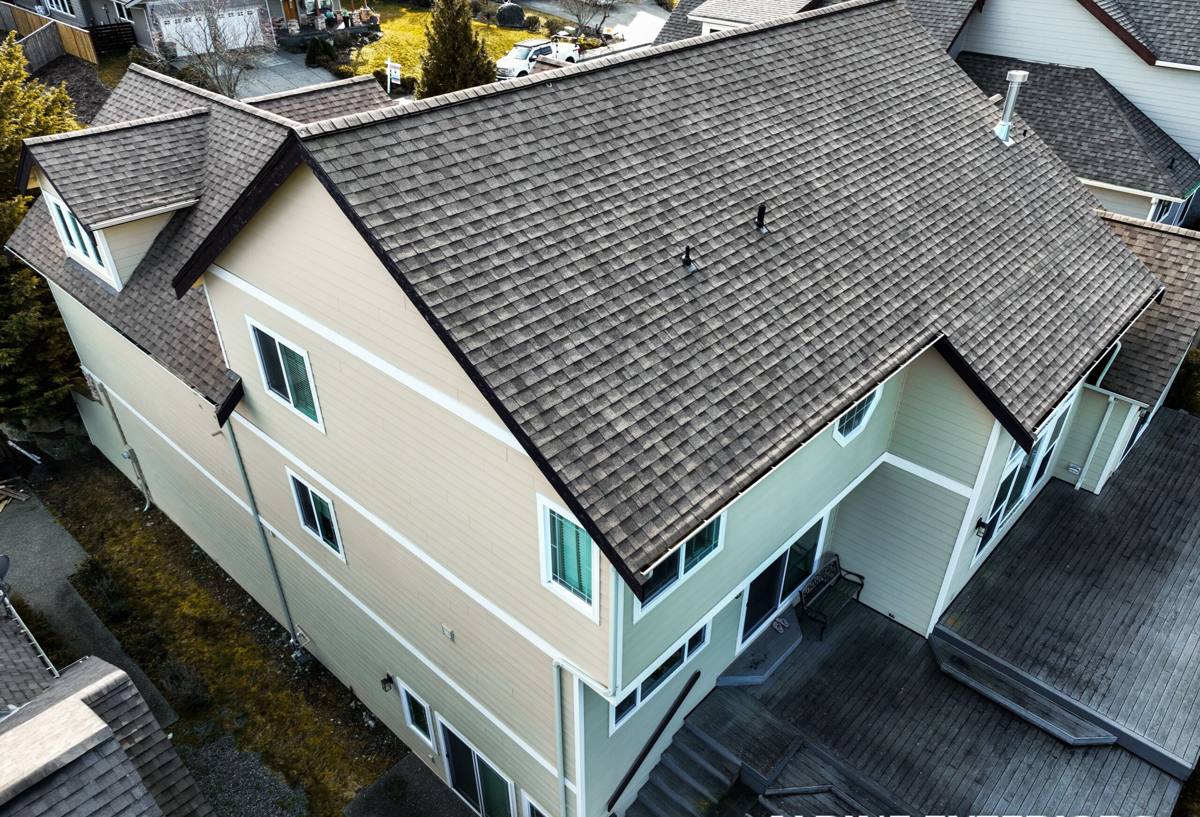
What Local Decks Are Up Against
Before getting into materials and construction details, it helps to understand the specific conditions a deck in this part of Whatcom County has to deal with year-round:
- Sustained moisture. Wood that never fully dries out between rain events is far more prone to rot, especially at joints and fastener points.
- Moss and algae growth. Shaded decks, or decks under trees, develop a green or black film that makes boards slick and traps moisture against the surface.
- Corrosive air. Homes nearer the water deal with salt in the wind that accelerates rust on screws, brackets, and hardware not rated for it. Even further inland, damp, mineral-heavy air takes a toll on unprotected metal over time.
- Soil and drainage variability. Ground around Everson and the surrounding Nooksack lowlands can hold water longer than higher, better-drained sites, which affects how footings need to be set.
- Freeze-thaw cycling. It's not constant here, but the occasional hard freeze after a wet stretch is exactly the kind of cycle that finds weak footings and undersized fasteners.
None of this means a deck can't last for decades in this area — it just means the build has to account for these conditions instead of ignoring them.
The Parts of a Deck That Matter Most Here
Ledger Board and Flashing
The ledger board — where the deck attaches to the house — is the single most common failure point on decks in wet climates, and it's also the point where deck work overlaps directly with siding work. If the flashing behind and above the ledger isn't installed correctly, water gets channeled straight into the rim joist and wall framing behind your siding, and you won't see the damage until it's significant. This is one area where a contractor who understands siding and water management, not just deck framing, makes a real difference. The flashing has to shed water away from the house, not just sit there for looks.
Footings and Framing
Footings need to be sized and set below frost depth and bear on solid, well-drained soil — which sometimes means digging deeper or adding drainage in low-lying yards. Framing lumber should be rated for ground contact where it's close to grade, and joist spacing should account for the decking material you're using, since composite and wood often have different span requirements.
Fasteners and Hardware
This is where a lot of otherwise decent decks fail early. Standard zinc-coated screws and brackets corrode faster than people expect in this climate, especially anywhere with salt-laden air. Structural connectors, joist hangers, and fasteners should be stainless steel or hot-dip galvanized rated for coastal or wet exposure. It costs more up front and it's worth every dollar, because replacing rusted hardware on a finished deck usually means tearing into the decking to get at it.
Choosing a Decking Material for This Climate
There's no single "right" material for every homeowner — it depends on budget, maintenance tolerance, and how the deck will be used. Here's an honest comparison of the main options for this area:
| Material | Moss/moisture resistance | Maintenance | Typical lifespan | Notes |
|---|---|---|---|---|
| Cedar | Good natural resistance, but surface still needs care | Regular cleaning and re-sealing every 1-2 years | 15-25 years with upkeep | Warm appearance, softer wood, shows wear if neglected |
| Pressure-treated pine/fir | Treated for rot, but end cuts and fastener holes are vulnerable | Annual cleaning, periodic sealing | 15-20 years | Most affordable option, needs consistent maintenance |
| Capped composite | Excellent — doesn't absorb water, resists mold growth on the surface | Occasional washing, no sealing or staining | 25-30+ years | Higher upfront cost, consistent appearance over time |
In a climate with this much sustained moisture and moss pressure, composite tends to hold up with the least ongoing effort. That said, plenty of homeowners still prefer real wood for the look and are willing to keep up with the maintenance — that's a legitimate choice as long as it's made with clear eyes about the upkeep involved.
Railings, Guardrails, and Permits
Any deck raised more than a modest height off grade needs a code-compliant guardrail, and most jurisdictions in Whatcom County require guardrails around 36 to 42 inches high with baluster spacing that won't allow a small child to pass through. Beyond railings, most new decks attached to a house — and many freestanding ones over a certain size — require a building permit, which typically means submitting basic plans and having footings and framing inspected before the decking goes down.
Skipping the permit process might seem like it saves time, but it can cause real problems later — at resale, with insurance claims, or if the work doesn't hold up and there's no inspection record showing it was built to code. Part of doing this job right is handling that paperwork correctly the first time.
How We Approach a Custom Deck Project
The process is straightforward, but each step matters:
- Site visit and assessment. We look at grade, drainage, sun and shade exposure, and how the deck will tie into your existing siding and structure.
- Design and material selection. We talk through layout, size, railing style, and decking material based on your budget and how you'll use the space.
- Permitting. We handle the paperwork and coordinate inspections so the project is documented and compliant.
- Construction. Footings, framing, ledger flashing, decking, and railings — built in that order, with attention to the fastener and flashing details covered above.
- Final walkthrough. We go over the finished deck with you, including what maintenance it will need and when.
Keeping a New Deck Ahead of Moss Season
A well-built deck still needs some seasonal attention, especially heading into the wetter months. A basic maintenance routine goes a long way:
- Sweep debris and fallen leaves off the deck regularly — trapped organic matter is what moss and algae feed on.
- Rinse or lightly scrub boards a couple of times a year, more often in shaded areas.
- Check that gaps between boards are clear so water can drain through instead of pooling.
- Inspect railings and stair connections annually for any looseness.
- Re-seal or re-stain wood decking on the schedule recommended for that product — don't wait until it's visibly gray or worn.
- Look underneath the deck occasionally for standing water or signs of moisture at the ledger connection.
Why Local Experience Matters for This Project
A deck built by a crew that already works in and around Everson isn't guessing at how to handle this climate — they've already seen what fails and why. That means knowing which fastener grades hold up, how deep footings need to go in the soil conditions common to this part of the county, and how to flash a ledger board so it doesn't compromise the siding and wall assembly behind it. It also means familiarity with the local permitting process, so inspections don't turn into delays.
Because we work as a siding contractor first, we pay particular attention to the point where a deck meets your house — the ledger connection — since that's exactly the kind of water intrusion point we deal with on the siding side of our business every day. A deck built by a crew that only thinks about the deck, and not what's happening behind the wall it's attached to, is more likely to create a hidden moisture problem down the road.
Getting Started
Whether you're planning a small deck off the back door or a larger space built for entertaining, the right approach depends on your yard, your budget, and how you plan to use it. We're happy to walk your property, talk through honest material options for this climate, and give you a clear, no-pressure estimate — just reach out through the form below.