 Blaine Siding
 Windows Built for Bellingham's Weather, Not Just Any Weather
Bellingham sits in a stretch of Whatcom County where the weather works against windows in a few specific ways. There's salt-laden air rolling in off the water, long stretches of driving rain that hits window assemblies sideways rather than straight down, and a wet season that runs long enough to grow moss on anything that holds moisture. None of that is dramatic on its own, but stacked together over years, it's exactly the combination that finds every weak point in a window installation — a poorly sealed nailing flange, a frame material that wasn't meant to sit in constant dampness, or glass that was never rated for the temperature swings we get between a cold snap and a mild, wet week.
An "energy-efficient window" on paper doesn't automatically mean an energy-efficient window in a Bellingham wall. The rating on the sticker assumes a correct installation. Get the installation wrong — and it's an easy thing to get wrong — and you can install a great window and still end up with drafts, fogged glass, or rot around the frame within a few years. This page is about what actually needs to happen, both in the product and in the install, for energy-efficient windows to perform the way they're supposed to in this specific climate.
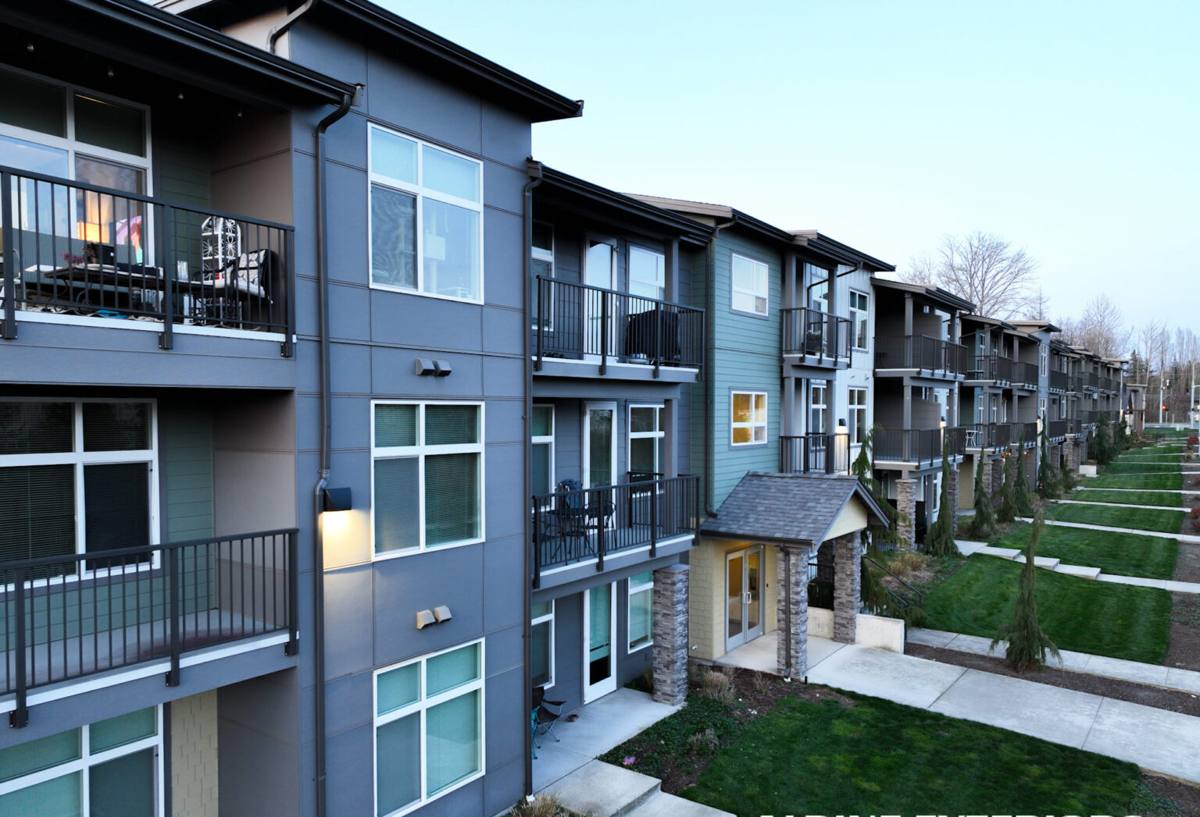
What "Energy-Efficient" Actually Means Here
Energy efficiency in a window comes down to three measurable things, and homeowners are usually sold on only one of them.
U-Factor
This measures how much heat moves through the window — lower is better. It's the number that matters most for keeping heated indoor air in during our cool, damp winters. A poor U-factor shows up as a window that feels cold to stand near even when it's not drafty.
Solar Heat Gain Coefficient (SHGC)
This measures how much solar heat passes through the glass. Bellingham doesn't get brutal summer sun, so we're not chasing the ultra-low SHGC glass packages you'd want in a hot, sunny climate. A moderate SHGC that lets in some free winter warmth without overheating a west-facing room in July is usually the better fit here.
Air Infiltration
This is the number most affected by installation quality rather than the window itself. A window can have excellent lab-tested air infiltration numbers and still leak air badly in the field if it wasn't shimmed, sealed, and flashed correctly. This is the number driving rain exploits first.
All three numbers together, not just one, determine whether a window actually lowers your energy bills and stays comfortable to sit near.
Where We See Windows Fail in Bellingham and Whatcom County Homes
After years of replacing and repairing windows in this area, the failure patterns repeat themselves:
- Seal failure in double-pane units — shows up as fog or haze trapped between the panes. Once the seal is gone, the insulating gas is gone too, and the glass has to be replaced, not just cleaned.
- Sill and frame rot — wood-framed and poorly clad windows that sit under a roofline without adequate overhang take on moisture from driving rain and never fully dry out between storms.
- Corroded hardware — locks, hinges, and balance mechanisms on lower-grade windows can pit and stick faster near the water, where salt air reaches further inland than people expect.
- Moss and algae staining — builds up on horizontal sills, trim, and anywhere water sits rather than shedding, which is as much a drainage design issue as a cleaning issue.
- Condensation between the glass and the frame — often blamed on the window itself, but frequently caused by inadequate air sealing letting warm, moist interior air reach a cold surface.
Most of these aren't defects in a specific brand of window — they're what happens when a window that would be fine in a drier climate is installed here without adjustments for the extra moisture exposure.
What a Correct Installation Actually Involves
The window itself is maybe half the job. The other half is everything around it, and it's the part that's easy to shortcut because it doesn't show once the trim goes back on.
Flashing and Drainage Plane Integration
Every window opening needs to shed water down and out, never letting it track behind the siding or pool at the sill. That means correctly lapped flashing tape, a sill pan that directs any intruding water back outside the wall assembly, and integration with the house's weather-resistive barrier rather than just caulking around the edges and hoping.
Proper Shimming and Squaring
A window that isn't shimmed level and square will stress at the corners over time, which is where seals fail first and where air infiltration numbers quietly get worse than the lab rating suggests.
Sealant Selection and Placement
Not every exterior sealant is meant for constant wet-dry cycling. We use products rated for that kind of movement and exposure, and we don't rely on caulk alone to do a flashing detail's job — that's a common shortcut that looks fine on installation day and fails two winters later.
Interior Air Sealing
Low-expansion foam or backer rod and sealant around the interior perimeter, not just the exterior, is what actually stops drafts and reduces the chance of interior condensation.
Frame Material Options for This Climate
We don't push one frame material as universally "best" — each has real trade-offs, and the right choice depends on the house, the budget, and how much upkeep you want to take on.
| Frame Material | Moisture Behavior | Maintenance | Typical Fit |
|---|---|---|---|
| Vinyl | Won't rot; performs well in wet, salty air | Low — occasional cleaning | Most straightforward, budget-friendly replacements |
| Fiberglass | Very stable in temperature and moisture swings; minimal expansion/contraction | Low | Homes wanting a longer-term, lower-movement frame |
| Wood-clad | Interior wood needs protection from interior humidity; exterior cladding shields from rain | Higher — cladding seams and interior finish need periodic attention | Homes prioritizing an interior wood look |
| Aluminum | Conducts heat and cold readily; can condense and corrode faster in salt air without thermal breaks | Moderate to high | We generally steer away from it for exterior residential use here unless thermally broken |
On aluminum specifically: it's not that the material is inherently bad, it's that in a marine, salt-air climate with our winter temperature swings, a standard aluminum frame without a thermal break tends to condense on the interior and corrode faster than the other options. That's a maintenance and performance trade-off we'll walk you through honestly rather than talk you out of if it's still what you want.
Our Process, Start to Finish
- On-site assessment — we look at existing window condition, framing, siding interface, and any signs of past moisture intrusion before recommending anything.
- Measurement and product selection — exact opening sizes, plus a conversation about frame material, glass package, and grille style based on the house and your budget.
- Prep and removal — old units come out carefully to check the framing underneath for hidden rot or water damage before it's covered back up.
- Flashing and sill pan installation — this happens before the new window ever goes in the opening.
- Window installation, shimming, and sealing — set level, square, and plumb, sealed inside and out per the details above.
- Exterior trim and siding tie-in — since we work on siding as well as windows, we make sure the two integrate properly rather than treating the window as a separate project from the wall it sits in.
- Final walkthrough — operation check, cleanup, and a look at the finished sealant lines with you before we call it done.
What Affects the Cost
We're not going to give you a number on a webpage that means nothing until we've seen your windows, but here's what actually drives the price up or down:
| Factor | Why It Matters |
|---|---|
| Number and size of windows | Larger openings and whole-house jobs get more efficient per-window pricing than one-offs |
| Frame material | Vinyl is typically the most affordable; fiberglass and wood-clad cost more upfront |
| Glass package | Double-pane vs. triple-pane, low-E coatings, and gas fill all add cost and change performance |
| Condition of the existing opening | Hidden rot or out-of-square framing found during removal adds repair time |
| Access and height | Second-story or hard-to-reach windows take more time and equipment |
| Trim and siding tie-in | Matching or repairing exterior trim and siding around new windows adds labor |
Broad honesty here: a straightforward single-window replacement is a modest project; a whole-house window replacement with siding tie-in is a much bigger one. The estimate we give you accounts for your specific house, not a generic average.
Why a Crew That Already Works Bellingham Matters
A window installer who mostly works inland or in a drier region isn't wrong about window basics, but they may not build in the extra margin this climate demands — the sill pan that assumes more rain than a typical detail sheet expects, the sealant rated for near-constant damp cycling, the awareness that a window facing the prevailing weather off the water needs more attention to the flashing than one on a sheltered wall. We work on siding and windows together throughout Whatcom County, which means we're already thinking about how the window opening ties into the drainage plane of the whole wall — not just the window itself in isolation. That connection between window and siding is exactly where a lot of leaks and rot actually start.
We also know what a normal wear pattern looks like on a Bellingham house versus what's actually a problem, because we see the same climate stress on house after house in this area, not a mix of climates that dilutes the pattern.
Keeping New Windows Performing Long-Term
Even a correctly installed, high-quality window benefits from a little seasonal attention in this climate:
- Rinse sills and tracks periodically to keep moss and algae from taking hold, especially on shaded or north-facing windows.
- Check exterior sealant lines once a year for cracking or separation, particularly after a hard winter.
- Keep gutters and downspouts clear so overflow doesn't run down the wall directly above a window.
- Operate locking hardware a few times a season so mechanisms don't seize from disuse and moisture.
- Watch for condensation between panes — that's a seal failure, not something to wipe away and ignore.
- Keep shrubs and landscaping trimmed back from window trim to let it dry out after rain instead of staying damp.
If you're weighing whether it's time to replace aging windows or want a straight answer on what a correct installation should include, we're happy to take a look and give you an honest read — no pressure, no upsell script. Reach out for a free estimate using the form below.