 Blaine Siding
 Why Window Installation Is Different in Bellingham
Bellingham sits close enough to the water and far enough into the Pacific Northwest's wet-season pattern that windows here take a beating most other regions never see. Salt-laden air off the bay accelerates corrosion on hardware and metal flashing. Driving rain, pushed sideways by wind off the Strait, finds every gap in a poor seal. And the long stretch of grey, damp months each year — often five or six months of near-constant moisture — gives algae and moss time to colonize sills, trim, and anything else that stays wet without a chance to dry out. A window that would perform fine in a drier climate can fail here in a fraction of the time if it isn't installed with this environment specifically in mind.
We're based in Blaine and work throughout Whatcom County, so Bellingham's particular mix of coastal humidity and rainfall isn't something we're guessing at — it's the baseline we design every install around.
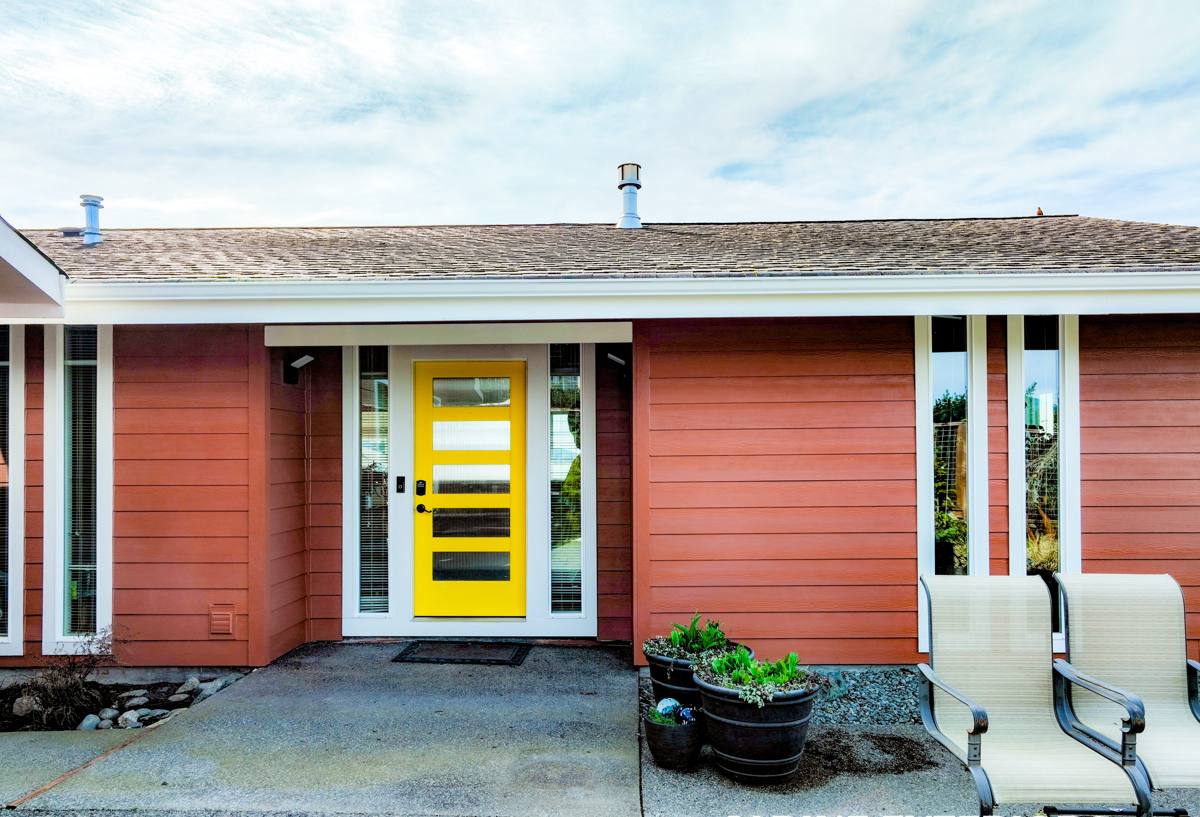
What Local Homes Actually Need From a Window Install
Most window failures we get called out to inspect aren't caused by a bad window unit. They're caused by a shortcut somewhere in the installation — a missing piece of flashing tape, a bead of caulk asked to do a job that should have been done with proper flashing, or insulation packed in wrong around the frame. In a dry climate those shortcuts might go unnoticed for a decade. In Bellingham's climate, water finds them within a season or two.
Moisture Management Comes First
Before a new window ever goes into the opening, the rough opening itself needs attention: a sloped sill pan so any water that gets past the window drains back outside instead of pooling against the framing, self-adhering flashing membrane integrated with the house wrap in the correct shingle-lap order (so water sheds downward and outward, never into the wall), and head flashing that actually directs runoff away from the top of the frame. Skipping or rushing any of these steps is the single biggest cause of hidden rot we see in older Whatcom County homes.
Sealing and Insulation
Around the frame perimeter, we use low-expansion foam or mineral wool rather than packing standard fiberglass insulation, which can settle and leave gaps. On the exterior, sealant is applied only where it belongs — at the trim-to-siding joint — never as a substitute for flashing underneath. On the interior, an air seal keeps humid indoor air from migrating into the wall cavity, which is the same air that condenses and feeds mold growth if it isn't stopped.
Signs a Bellingham Home's Windows Need Attention
- Visible fogging or moisture between panes of double-glazed glass — the seal has failed
- Soft or discolored trim or sill wood, especially on south- and west-facing walls that take the brunt of wind-driven rain
- Persistent green or black staining on sills or lower sashes that returns quickly after cleaning
- Drafts or a noticeable temperature difference near the window on windy days
- Windows that are difficult to open, close, or lock — frames can swell or warp with sustained moisture exposure
- Rising heating bills without another clear explanation
Any one of these on its own isn't necessarily an emergency, but they're worth having looked at before the underlying framing is affected. Wood rot behind a window is far more expensive to repair than the window itself.
Our Window Installation Process
We keep the process straightforward and try not to leave a homeowner guessing what happens next or why.
1. On-Site Assessment
We look at the existing windows, the condition of the framing around them, and how the house is oriented to wind and rain. A window on a sheltered wall doesn't need the same scrutiny as one facing the prevailing weather.
2. Product Recommendation
We talk through material and glazing options based on the specific opening, the home's age, and your budget — not a one-size-fits-all pitch.
3. Careful Removal
Old windows come out without unnecessary damage to surrounding siding or interior trim. If we find rot or water damage in the framing during removal — which does happen — we stop and talk to you before proceeding, rather than installing a new window over a compromised opening.
4. Correct Flashing and Sealing
This is the step that determines whether the install lasts. Sill pan, flashing membrane, and sealant go in in the right order, integrated properly with the existing wall assembly.
5. Installation and Finish
The window is set plumb and level, shimmed correctly so it operates smoothly, insulated around the perimeter, and trimmed out to match the surrounding finish.
6. Cleanup and Walkthrough
We clear debris, and we walk the finished work with you so you can see and operate each window before we call the job done.
Choosing the Right Window for This Climate
Material and frame choice matter more here than in drier parts of the state, because whatever you pick has to hold up to sustained moisture and salt air, not just occasional weather.
| Material | How It Handles Coastal Moisture | Maintenance |
|---|---|---|
| Vinyl | Won't rot or corrode; performs consistently in wet, salty air | Low — occasional cleaning |
| Fiberglass | Very stable dimensionally, resists moisture and salt well; strong long-term option | Low |
| Wood-clad | Exterior cladding protects the wood from weather, but any breach in the cladding lets moisture into the wood core | Higher — cladding seams and any exposed wood need monitoring |
| Aluminum | Conducts cold and can corrode with prolonged salt exposure unless properly coated | Moderate |
We don't push one material on every homeowner. Wood-clad windows can look great and perform well, but they carry more maintenance responsibility in a marine climate — that's a genuine trade-off, not a defect, and it's worth knowing about before you choose. Vinyl and fiberglass tend to be the lower-maintenance choices for most Bellingham homes, particularly on walls that take direct weather.
Glazing Matters Too
Double-pane, low-E glass is standard for this climate and helps with both energy performance and condensation control on the interior side of the glass during cold, damp mornings. Argon or krypton gas fill between panes adds a modest efficiency improvement, worth discussing based on your budget.
What Affects Cost
| Factor | Why It Matters |
|---|---|
| Full-frame vs. insert replacement | Full-frame costs more but is often necessary when framing has moisture damage or you're changing window size |
| Number and size of openings | More openings and larger units mean more material and labor |
| Material selection | Vinyl is typically the most budget-friendly; fiberglass and wood-clad cost more upfront |
| Existing damage found during removal | Rotted framing or sheathing found once old windows come out adds repair cost, but skipping this repair is how future leaks happen |
| Trim and finish work | Matching existing interior or exterior trim profiles can add labor time |
We give straightforward, itemized estimates so you can see what you're paying for and why — no vague lump-sum numbers.
Why Hire a Crew That Already Works in Bellingham
A window installer who mostly works inland or in a drier region can put in a technically fine window that still fails here, because the flashing and sealing details that matter most in a marine climate aren't always second nature elsewhere. We work Whatcom County's coastal conditions regularly, which means:
- We know which orientations on a home take the worst weather and plan flashing accordingly
- We're familiar with the older housing stock common in this area and how it was originally built
- We understand how moss and algae growth patterns here signal moisture problems before they become structural ones
- We stand behind the installation work itself, not just the manufacturer's product warranty
Maintaining New Windows in a Marine Climate
- Clean tracks and weep holes twice a year so drainage paths don't clog with debris or algae
- Inspect exterior caulk lines annually and touch up before gaps widen
- Wipe down sills after extended wet stretches to slow moss and mildew buildup
- Check that gutters and downspouts near window openings are directing water away, not toward the wall
- Operate each window a few times during the drier months to keep hardware and seals working properly
None of this is difficult, but it's the kind of small, regular attention that adds years to a window's service life in this climate.
If your Bellingham home has windows showing any of the wear signs above, or you're simply ready to plan a replacement before the wet season sets in, we're happy to take a look. Reach out for a free, no-pressure estimate using the form below.