 Blaine Siding
 New Roof Installation Built for Ferndale's Climate
Ferndale sits close enough to the water and to the Nooksack lowlands that roofs here take a different kind of beating than roofs 30 miles inland. Salt-laden air off the Strait of Georgia and Bellingham Bay corrodes exposed metal faster than most manufacturers' warranty language assumes. Driving rain off winter storms finds every weak lap, nail pop, and under-flashed penetration. And the long, wet moss season here in Whatcom County — often running from October through May — means a roof that isn't detailed for drainage and airflow starts hosting growth within a couple of seasons, not a couple of decades.
A new roof installation in this area isn't just "put shingles on a house." It's a system decision: underlayment, ventilation, flashing metal, and fastener choice all have to account for the fact that this roof will spend most of its life either wet or damp. We install new roofs across Ferndale and the rest of Whatcom County with that reality built into every layer, not bolted on afterward.
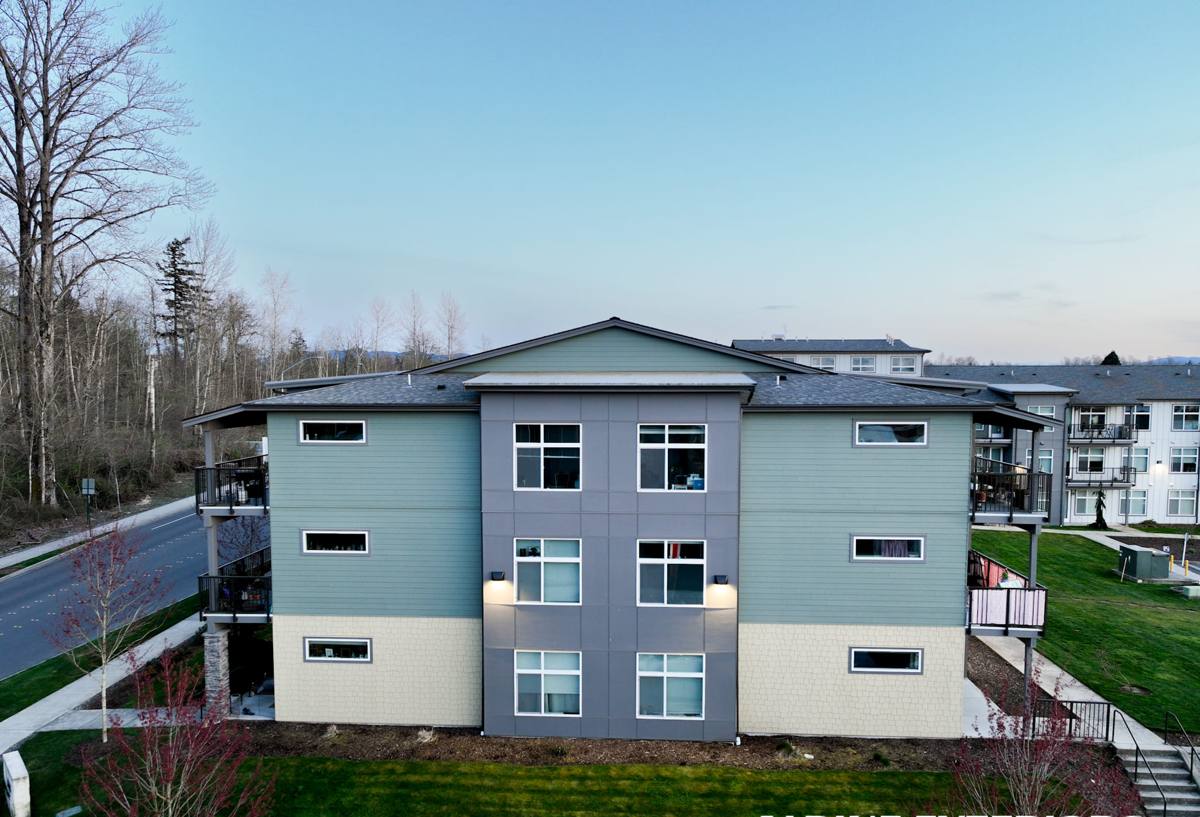
What Ferndale Homes Actually Need From a New Roof
Most of the roofing problems we get called out for in this area trace back to the same handful of causes: undersized ventilation, underlayment that wasn't rated for long-term moisture exposure, flashing that was reused instead of replaced, and fastener corrosion in roofs that sat exposed to salt air without a corrosion-resistant spec. A correct new roof installation here addresses each of these directly.
Moisture Management Comes First
Synthetic underlayment with a real moisture barrier — not just felt — is the baseline for this region, not an upgrade. Combined with properly lapped ice-and-water shield at eaves, valleys, and penetrations, this is what keeps wind-driven rain from working its way under the roof covering during the sideways storms this area gets a few times a winter.
Ventilation Controls Moss and Rot
Balanced intake and exhaust ventilation keeps the roof deck closer to outdoor temperature and humidity, which slows moss colonization and reduces the condensation that leads to sheathing rot from the underside — a failure mode that's invisible until it isn't. A roof that "breathes" correctly also holds paint and shingle color longer, since trapped heat and moisture accelerate granule loss.
Corrosion-Resistant Metal and Fasteners
Salt air degrades standard galvanized fasteners and lightweight flashing faster in coastal Whatcom County than it would 50 miles east. We spec fasteners and flashing rated for coastal exposure on Ferndale jobs, which costs a little more upfront and avoids the streaking, rust-through, and premature flashing failure we see on roofs that used inland-grade materials.
What a Correct New Roof Installation Involves
A new roof is only as good as the layers nobody sees once it's done. Here's what should happen on every tear-off and replacement, in order:
- Tear-off and deck inspection — full removal of old roofing, then the deck is checked for rot, delamination, and soft spots, especially around old vent boots and valleys.
- Deck repair — any damaged sheathing gets replaced before anything new goes down. Skipping this is the single most common shortcut we see from underbid jobs.
- Drip edge and ice-and-water shield — installed at eaves, valleys, and penetrations first, since these are the highest-risk areas for wind-driven rain intrusion.
- Synthetic underlayment — covers the full deck as the secondary moisture barrier.
- Ventilation components — ridge vents, intake vents, or baffles installed or upgraded to create real airflow, not just decorative venting.
- Field material installation — shingles, metal panels, or the chosen roofing product, installed to manufacturer spec with correct nailing patterns and exposure.
- Flashing at all transitions — chimneys, walls, skylights, and dormers get new flashing, never reused flashing.
- Final inspection and cleanup — magnetic sweep for nails, gutter check, and a walk-through of the finished roof.
Roofing Material Options for This Area
There's no single "best" roofing material for Ferndale — the right choice depends on your home's style, budget, and how much long-term maintenance you're willing to do. Here's how the common options stack up against this specific climate:
| Material | Moss/Moisture Behavior | Maintenance | Typical Lifespan Here |
|---|---|---|---|
| Architectural asphalt shingles | Good with proper ventilation; algae-resistant granules help with staining | Low; periodic moss treatment recommended | 20-30 years |
| Standing seam metal | Excellent shedding; minimal moss adhesion on smooth panels | Very low | 40-50+ years |
| Composite/synthetic shakes | Good; resists rot unlike traditional wood shakes | Low | 30-40 years |
| Cedar shakes | Poor without diligent upkeep — moss and moisture retention are the main failure points in this climate | High; regular treatment required | 15-25 years with upkeep |
We're upfront that we steer most Ferndale homeowners away from untreated cedar shake roofs specifically because of how much moisture this area holds onto for most of the year — it's not that the material is bad, it's that the maintenance commitment needed to keep it performing here is steep. Asphalt and metal both handle the wet season with far less babysitting.
Our Process for a Ferndale Re-Roof
1. On-Site Assessment
We walk the roof (not just look from the ground), check the attic or crawlspace for existing moisture or ventilation issues, and measure for an accurate material estimate. This is also when we flag anything that might affect the timeline, like layers of old roofing that need extra tear-off time.
2. Written Estimate
You get a clear, itemized quote — material, labor, disposal, and any deck repair allowance — before any work starts. No verbal-only pricing and no surprise change orders for things we could have caught during the walk-through.
3. Scheduling Around Weather
Roofing in Whatcom County means working around real rain windows, not ideal ones. We plan tear-off days for stretches with the best forecast odds and use dry-in materials that protect an open deck if weather moves in faster than expected.
4. Installation and Daily Cleanup
Job sites are kept clear of debris and nails at the end of each work day — not just at project completion. This matters more here than in drier climates, since exposed materials left overnight in a wet job site invite problems.
5. Final Walk-Through
We review the finished roof with you, including ventilation components and flashing details, so you know what's up there and why.
Why It Matters That We Already Work in Ferndale
A roofing crew unfamiliar with this specific stretch of Whatcom County will often default to inland specs — standard-grade fasteners, minimal ventilation upgrades, underlayment chosen for cost rather than moisture performance. That's how you end up with a roof that looks fine for two or three years and then starts showing streaking, moss buildup in the valleys, or soft spots near the eaves.
Working this area regularly means we already know which details actually matter here: where wind-driven rain tends to find weak points, how much ventilation a typical Ferndale attic actually needs versus the code minimum, and which flashing metals hold up against the salt air coming off the water. That local pattern recognition doesn't show up on a spec sheet, but it shows up in how long the roof lasts.
Signs Your Ferndale Home May Need a New Roof
- Granule loss visible in gutters or downspout runoff after rain
- Moss establishing in valleys or north-facing slopes despite cleaning
- Curling, cracking, or lifting shingle edges
- Daylight visible through the roof deck from inside the attic
- Rust streaking below flashing or metal roof panels
- Soft or spongy spots when walking the roof
- Interior ceiling stains that appear or worsen after storms
- A roof age of 20+ years for asphalt, even with no visible damage
Cost Factors for a New Roof in This Area
Every roof is priced individually, but the same handful of factors drive most of the variation we see on Ferndale jobs:
| Factor | Why It Affects Cost |
|---|---|
| Roof size and pitch | Steeper roofs take longer to work safely and require more fall-protection setup |
| Number of layers to remove | Tear-off of multiple old layers adds labor and disposal costs |
| Deck condition | Rot or soft sheathing found during tear-off requires repair before new roofing goes down |
| Material choice | Asphalt, metal, and composite products carry different material and labor costs |
| Ventilation upgrades | Adding proper intake/exhaust venting where none existed adds material and cutting time |
| Roof complexity | Valleys, dormers, skylights, and chimneys each add flashing detail and time |
We don't publish blanket per-square pricing because these factors genuinely move the number — a simple gable roof and a roof with multiple valleys and penetrations aren't the same job even at the same square footage. What we can promise is a written, itemized estimate before any commitment.
Get a Free, No-Pressure Estimate
If your roof is showing its age, or you just want an honest read on how many years it has left, we're happy to take a look. The estimate is free, there's no pressure to book anything on the spot, and you'll get straight answers about what your Ferndale home actually needs — use the form below to get started.