 Blaine Siding
 Deck Building in Bellingham: Built for the Coast, Not Just the Backyard
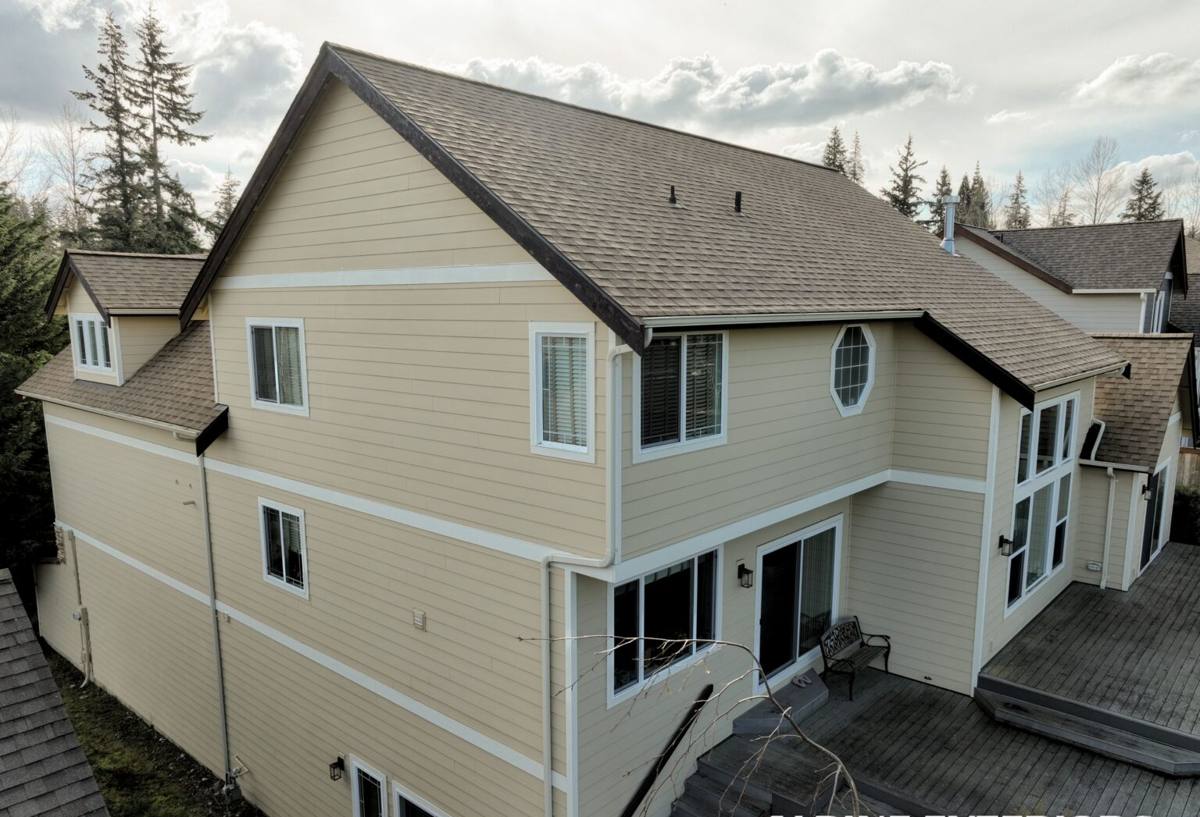
Bellingham sits close enough to the water and low enough in the Whatcom County rain shadow gap that decks here take a beating most inland decks never see. Salt-laden air off Bellingham Bay works into fasteners and metal connectors. Long stretches of driving rain push moisture into every joint and seam. And when the rain finally lets up, the shade and dampness that stick around under evergreen canopy and along the north sides of houses turn into a moss season that can run from October well into spring. A deck built without those three things in mind will look fine for a year or two and then start failing where you can't see it — at the ledger board, under the boards, and inside the framing connections.
We build and rebuild decks for homeowners around Bellingham with those exact conditions in mind. This page walks through what a deck actually needs to hold up here, what a correct build looks like from the ground up, and how we run the job from first call to final walkthrough.
What Bellingham's Climate Actually Does to a Deck
Salt Air and Metal Connectors
Homes closer to the bay and the marine influence that carries inland get a steady, low-grade exposure to salt in the air. It's not the same as a deck sitting right on saltwater, but it's enough over years to accelerate corrosion on cheap fasteners, joist hangers, and structural screws. Once a connector starts rusting, it loses holding strength quietly — you won't see it until something moves or a board pulls loose.
Driving Rain and Moisture Intrusion
Whatcom County rain doesn't always fall straight down. Wind-driven rain gets pushed sideways into ledger connections, under railing posts, and into any gap where flashing wasn't done right. That moisture doesn't dry out fast in our climate, which means wood framing that's just slightly exposed can stay damp for weeks at a time during the wet months.
Moss, Shade, and Slow Drying
A lot of Bellingham lots have mature trees or sit close enough to neighboring structures that parts of the deck stay shaded most of the day. Combine that with our humidity and you get moss and algae growth on deck boards, especially composite and painted wood surfaces that don't get direct sun to dry them out. Beyond looking bad, moss holds moisture against the board surface and makes the deck slick and genuinely dangerous underfoot.
What a Correctly Built Deck Needs Here
- Ledger board flashing that actually sheds water away from the house rim joist, not just a bead of caulk
- Stainless or heavy hot-dip galvanized fasteners and hardware rated for coastal/marine exposure, not standard zinc-coated
- Joist hangers and structural connectors matched to the fastener spec — mixing metals invites galvanic corrosion
- Proper spacing between deck boards for airflow and drainage, not tight-butted for looks
- Footings set below frost depth and sized for our soil, with post bases that keep wood off standing water
- A surface material chosen with this specific yard's sun/shade pattern in mind, not a generic pick
- Railing posts through-bolted into framing, not just lag-screwed into a single joist
None of this is exotic. It's standard good practice — but it's exactly the stuff that gets skipped when a deck is built fast or by someone who doesn't build decks in this climate regularly.
Decking Material Choices for a Bellingham Yard
There's no single "best" decking material — the right call depends on how much sun the deck gets, how much upkeep you want to do, and your budget. Here's how the common options actually perform under our conditions.
| Material | How it handles our rain/moss | Maintenance | General cost position |
|---|---|---|---|
| Pressure-treated wood | Needs regular sealing to resist moisture; prone to moss in shaded spots without upkeep | Annual cleaning and re-sealing recommended | Lowest upfront cost |
| Cedar | Naturally moisture- and rot-resistant, but still needs finish maintenance to stay that way | Periodic cleaning and staining/sealing | Mid-range |
| Composite decking | Won't rot, but can still grow surface moss/algae in deep shade — needs occasional washing | Low — periodic washing, no sealing | Higher upfront, lower long-term upkeep |
| PVC/capped composite | Best moisture resistance of the board options; still benefits from washing in shaded areas | Lowest — wash as needed | Highest upfront |
We'll walk your specific yard with you and talk through which material makes sense for how much sun that spot actually gets, not a one-size answer. A deck tucked under trees on the shaded side of a Bellingham lot is a different conversation than one that gets full afternoon sun.
Framing and Structure: The Part You Don't See
The visible decking gets all the attention, but the framing underneath is what determines whether the deck is still solid in ten or twenty years. In our climate, the framing is also where problems hide longest because it's the last place water shows itself.
Ledger Attachment
The ledger board — where the deck attaches to the house — is the single most common point of failure on decks we've inspected in this region. Done wrong, water gets behind the ledger and rots both the deck framing and the house's rim joist behind it. We flash this connection properly and use lag bolts or through-bolts rated for the load, not just nails or undersized screws.
Joist Spacing and Hangers
Joist spacing needs to match the decking material's span rating — composite boards often need tighter joist spacing than wood to avoid flexing over time. We use hangers and structural screws matched to the fastener metal throughout, which matters more here than in a drier climate because mismatched metals corrode faster in salt-influenced air.
Footings and Posts
Whatcom County frost depth and our typically wet soil mean footings need to be sized and set correctly the first time. Post bases that keep the post end off the ground and out of standing water make a real difference in how long the structural posts last.
Railings, Stairs, and Everyday Safety
Moss on stair treads and railing surfaces is a real slip hazard during our wet months, not just a cosmetic issue. We build stairs with that in mind — appropriate tread depth, secure stringers, and railing systems that are through-bolted into structural framing rather than just screwed to a single board. If your project includes stairs, we'll also talk through baluster spacing and railing height to current code, since older decks around Bellingham were often built before current standards.
Repair, Rebuild, or New Build — How to Tell Which You Need
Not every deck problem means starting over. A lot of the calls we get in Bellingham are for decks that are structurally salvageable but have isolated rot, corroded hardware, or a ledger connection that was never flashed right. Here's a general guide:
- Repair — surface boards are worn or a few are soft, but posts, footings, and the ledger connection test solid
- Partial rebuild — framing near the ledger or in a shaded, moisture-prone corner has rot, but the rest of the structure is sound
- Full rebuild — footings are undersized or shifting, multiple structural connections are corroded, or the ledger flashing has failed and damaged the house framing behind it
We'll give you a straight answer on which category your deck falls into rather than defaulting to "replace it all" — an honest repair estimate is often the right call, and we'll tell you when it is.
Our Process, Start to Finish
1. On-Site Assessment
We walk the space with you, look at sun/shade exposure, drainage, and — if it's an existing deck — check the ledger connection, framing, and footings for the actual condition underneath.
2. Design and Material Selection
We talk through layout, railing style, stairs, and material options based on your budget and how the space will actually be used, along with what will hold up best given the deck's specific exposure.
3. Permitting
Deck permits and inspections in Whatcom County and the City of Bellingham depend on size, height, and attachment to the house. We handle that process rather than leaving you to sort it out.
4. Build
Footings, framing, ledger flashing, decking, and railings — built in that order, with the structural work inspected before it's covered up by decking.
5. Final Walkthrough
We go over the finished deck with you, including basic maintenance guidance specific to the material you chose and your yard's sun/shade situation.
Why Hire a Crew That Already Works in Bellingham
A deck built by someone unfamiliar with this specific mix of salt air, driving rain, and shade-driven moss growth will often look identical to a properly built one on the day it's finished. The difference shows up two, five, and ten years later — in corroded hardware, a rotted ledger connection, or a walking surface that's slick half the year. We work in Bellingham and the surrounding Whatcom County area regularly enough to know which yards need extra attention to airflow and drainage, which fastener specs actually hold up near the water, and where past decks in this area tend to fail first. That's not something you can substitute with a generic building guide.
Ready to Talk About Your Deck?
Whether you're planning a new deck, replacing an old one, or just not sure if yours needs repair or a full rebuild, we're happy to take a look and give you a straight, no-pressure estimate. Use the form below to get started.