 Blaine Siding
 Windows in Dakota Creek Work Harder Than Most
Dakota Creek sits close enough to the water that homes here take a different kind of weather beating than houses a few miles inland. Salt-laden air moves through window hardware and frame joints year-round, driving rain gets pushed sideways into every gap a builder left loose, and the long, damp moss season that Whatcom County is known for keeps wood, vinyl, and glazing seals under near-constant moisture stress. Windows are one of the first places that shows up. A window that performs fine in a drier climate can fail early here if it wasn't built, sealed, and installed with this exposure in mind.
Energy-efficient windows are usually sold on comfort and lower heating bills, and that's real, but in Dakota Creek the bigger story is durability. A window that keeps water out and holds its seal is also the window that keeps your energy bills predictable. The two problems are connected, and any replacement plan for this area should treat them that way.
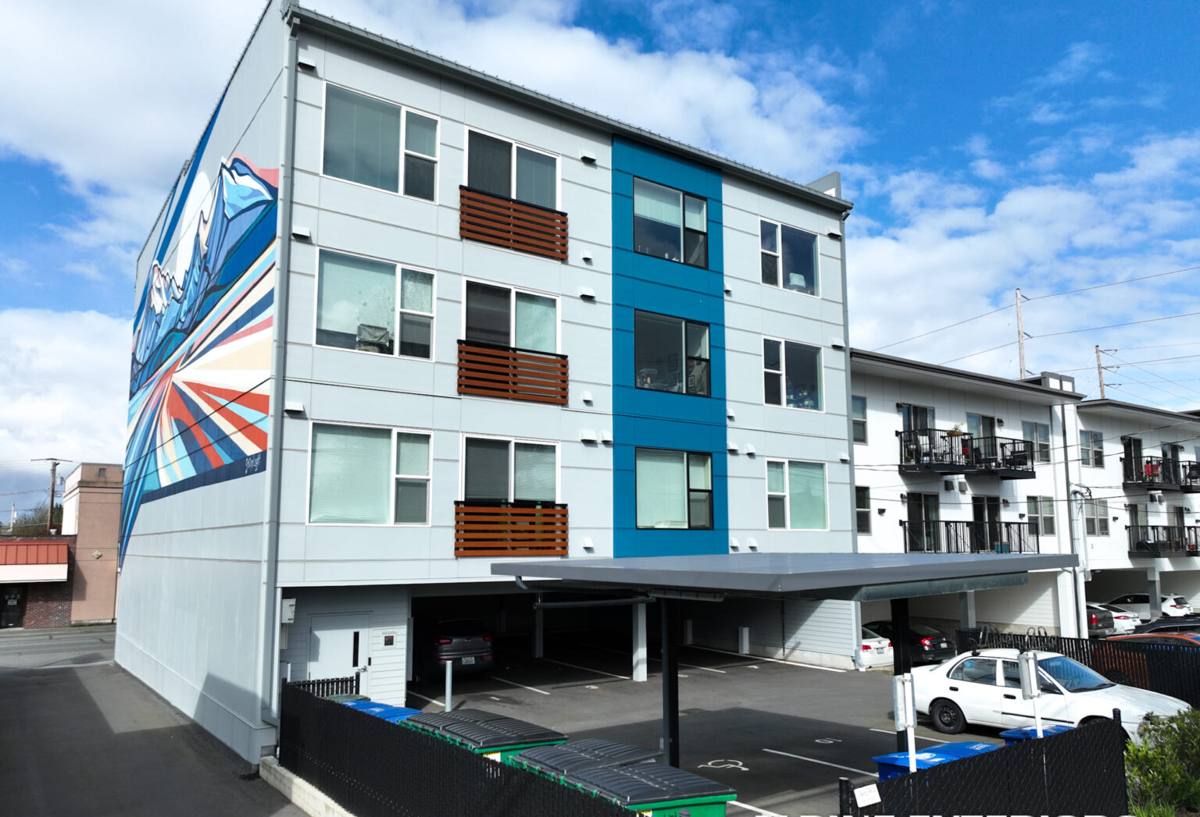
What Damp, Salty Air Does to a Window Over Time
Three things happen slowly and quietly, usually before a homeowner notices anything from inside the house:
- Hardware corrosion: Latches, hinges, balance systems, and screws exposed to salt air corrode faster than published warranty life suggests, especially on the ocean-facing side of a house.
- Seal fatigue: The insulated glass unit (IGU) seal that keeps argon gas in and moisture out is under constant expansion and contraction from temperature swings plus humidity. Once it fails, you get fogging between the panes — and there's no fixing that seal, only replacing the glass unit or the window.
- Frame and sill moisture retention: Wood and lower-grade composite frames that don't fully dry out between rain events during our wet months start to soften, discolor, or grow mildew at the sill and corners, long before the glass itself is a problem.
None of this means windows near the water are a lost cause — it means the material, the glazing seal quality, and especially the installation detailing matter more here than in a drier part of the state.
Signs a Window Needs Replacing, Not Just Repair
Not every drafty window needs full replacement, but in a marine climate like this one, some symptoms point to a problem that repair can't fix. Before spending money on caulk and weatherstripping, check for these:
- Fogging or a milky haze between the panes of glass (failed seal — this is permanent)
- Visible daylight or a draft at the frame even with the window latched shut
- Soft, spongy, or discolored wood at the sill or bottom corners
- Difficulty opening, closing, or locking due to corroded or seized hardware
- Condensation forming on the inside of the glass regularly during cooler months
- Visible moss, algae, or persistent black mildew streaking below the window from trapped runoff
- A noticeably colder spot in the room near the window compared to the rest of the wall
If you're seeing two or more of these on the same window, replacement is almost always the better long-term value than another repair attempt.
What "Energy-Efficient" Actually Means Here
The term gets used loosely, so it's worth being specific about what actually matters for a Dakota Creek home:
U-Factor
This measures how well a window resists heat loss — lower is better. In our climate, U-factor is usually the number that affects your winter heating bill the most, since we have far more heating days than cooling days.
Solar Heat Gain Coefficient (SHGC)
This measures how much solar heat passes through the glass. Western Washington doesn't get the intense summer sun that drives SHGC decisions in hotter climates, but on south- and west-facing windows it still affects comfort and can help offset heating costs in winter if balanced correctly.
NFRC Labeling
Every legitimate energy-efficient window should carry an NFRC (National Fenestration Rating Council) label showing its actual tested U-factor, SHGC, and air leakage rating — not just a manufacturer's marketing claim. Washington's state energy code sets minimum performance thresholds for replacement windows, and a properly labeled window is how that gets verified.
Air Leakage
Given how much wind-driven rain this area sees, the air leakage rating is arguably as important as the U-factor. A window with a great U-factor but a poor air-leakage rating will still let moist air infiltrate the wall assembly during a storm.
Choosing a Frame Material for a Coastal Whatcom County Home
There's no single "best" window material — there are trade-offs, and the right call depends on the house, the exposure, and the budget. Here's how the common options actually compare for a home dealing with salt air and sustained wet weather:
| Frame Material | Salt Air / Moisture Resistance | Energy Performance | Maintenance |
|---|---|---|---|
| Vinyl | Very good — won't corrode or rot; seams are the main watch point | Good, especially multi-chambered profiles | Low — occasional cleaning only |
| Fiberglass | Excellent — dimensionally stable, doesn't expand/contract with humidity swings | Very good to excellent | Low |
| Wood (unclad) | Poor without diligent upkeep — most vulnerable to our wet season | Good natural insulator | High — regular painting/sealing required |
| Wood with aluminum or fiberglass cladding | Good — cladding shields the wood from direct weather | Good to very good | Moderate |
| Aluminum (uninsulated) | Fair — prone to corrosion pitting near salt air over time without a marine-grade finish | Weak unless thermally broken | Moderate |
For most homes in this area, we steer clients toward vinyl or fiberglass for straightforward energy performance and low upkeep, or clad-wood when the homeowner wants a specific interior wood look and is willing to keep up with it. We generally advise against bare aluminum or unclad wood on any elevation that takes direct wind and rain, not because those products can't work anywhere, but because they demand a level of upkeep that doesn't fit this climate well.
What a Correct Installation Actually Involves
The window unit itself is only part of the equation — most window failures we get called out to repair are installation failures, not product failures. A correct install in a high-exposure area like this includes:
- Sill pan flashing: A sloped, sealed pan under the window that directs any water intrusion back outside instead of into the wall cavity
- Proper head flashing: Installed to shed water over the window, not just caulked at the top
- Correct integration with the water-resistive barrier: Flashing tape and house wrap need to be layered shingle-style so water always drains outward, never behind the barrier
- Backer rod and quality sealant at all sides: Not just a bead of caulk over a gap, but a proper sealant joint sized to move with temperature changes
- Shimming and squaring: A window installed out of square stresses the frame and the glazing seal prematurely, shortening its life regardless of product quality
- Insulation of the gap between the window and rough opening: Filled correctly (not overpacked) so it doesn't compress and create thermal gaps
Skipping any one of these steps can look fine on day one and still cause a wall rot or seal failure two or three wet seasons later — which is exactly the timeline where problems tend to show up on this kind of coastal property.
How Our Process Works
We start with an on-site assessment of the actual windows in question — checking frame condition, seal integrity, and how each elevation is exposed to wind and rain, since a north-facing window and a water-facing window on the same house can have very different histories. From there we walk through material options and glazing packages that make sense for the budget and the exposure, not a one-size answer for every window on the house.
Once a plan is set, our crew removes the old unit carefully to inspect the rough opening and sheathing underneath — this is often where hidden moisture damage from a prior bad install gets found, and it needs to be addressed before the new window goes in, not sealed over. We install proper flashing and sill pan detailing, set and shim the new window square, insulate the gap, and finish the sealant joints on both the exterior and interior. We walk the finished work with the homeowner before we consider the job done.
Why It Matters That We Already Work This Area
A crew that mainly works drier, inland jobs can install a technically correct window and still miss the details that matter most right on the water — how far to detail flashing given the direction storms typically come from, which elevations need the extra attention, or why a sill pan isn't optional on this side of the county the way it might be treated as a nice-to-have elsewhere. Working Dakota Creek and the surrounding Blaine area regularly means we're not guessing at how a house here behaves in a wet winter — we've seen what holds up and what doesn't, on homes with the same exposure yours has.
If you're noticing drafts, fogged glass, sticking hardware, or just have windows you know are past their useful life, we're glad to come take a look. The estimate is free, there's no pressure, and you'll get a straight answer about whether it's a repair situation or genuinely time to replace — use the form below to get started.