 Blaine Siding
 Windows Built for Cherry Point's Coastline, Not a Catalog Climate
Cherry Point sits right on the water along the Whatcom County coastline, and that location shapes everything about how windows perform here. You're getting salt-laden air off the Strait, wind-driven rain that doesn't just fall straight down, and a long wet season that keeps moss and algae active on north- and west-facing surfaces for months at a time. A window that's rated fine for a subdivision twenty miles inland can still struggle here if it wasn't installed with this specific exposure in mind. Good window installation in this area isn't about buying the most expensive unit available — it's about matching the right materials to the right openings and getting the water management details right the first time.
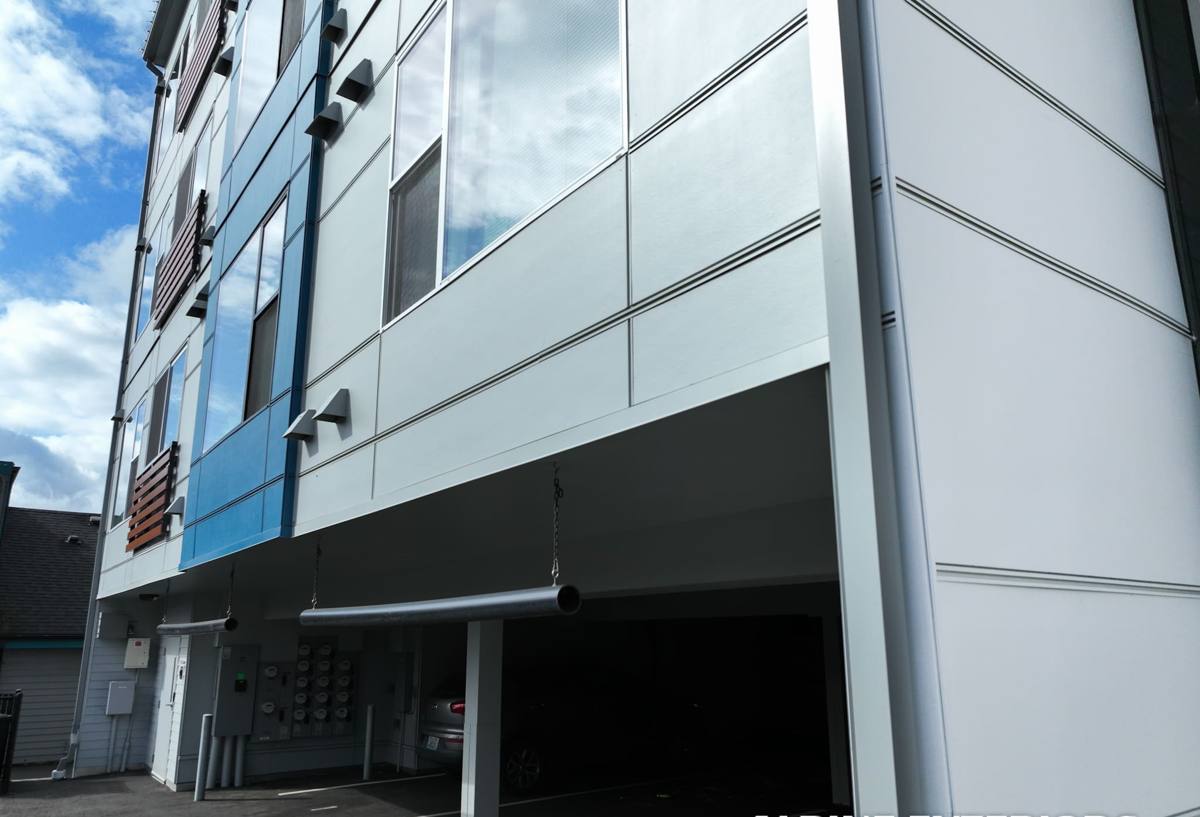
What Salt Air, Rain, and Moss Actually Do to Windows
Salt Air and Corrosion
Airborne salt is corrosive to metal hardware — hinges, locks, balance systems, and screen frames in particular. On windows facing open water or exposed to prevailing wind, we see corrosion show up years earlier than it would on the same product installed further inland. This is a hardware and finish problem more than a glass problem, which is why the materials table below matters as much as the brand name on the window.
Driving Rain and Water Intrusion
Blaine gets rain that comes in sideways, not just straight down, especially during winter storms off the water. That means a window opening needs a real drainage path — flashing, a sloped sill pan, and properly lapped house wrap — not just a bead of caulk around the trim. Caulk is a cosmetic finish, not a water barrier. When it's asked to do the job flashing should be doing, it fails quietly, behind the wall, long before anyone notices a stain.
Moss and Algae Season
Whatcom County's long wet season keeps north-facing and shaded window sills and sashes damp for extended stretches, which is exactly what moss and algae need to take hold. Beyond looking bad, sustained moisture sitting on sills and in corners accelerates rot in wood components and breaks down sealants faster than manufacturers' warranties usually assume. Sill design and drainage matter more here than in drier parts of the state.
Signs Your Windows Are Already Losing the Fight
Most window failures near the water develop slowly. By the time they're obvious, there's usually been water intrusion for a while. Worth checking for:
- Soft or discolored trim, siding, or drywall around the window frame
- Windows that are hard to open, close, or lock — often a sign of hardware corrosion or a frame that's racked out of square
- Visible moss, algae, or black staining building up on sills or in lower corners
- Fogging or moisture between panes on double- or triple-glazed units, meaning the seal has failed
- Drafts or a noticeable temperature difference near the glass on a windy day
- Peeling paint or bubbling finish on interior sills or exterior trim
Any one of these is worth a look. Several together usually means the original installation — not just the window itself — is due for a proper reset.
What a Correct Installation Actually Involves
Removal and Opening Prep
Once the old window is out, the opening gets inspected before anything new goes in. Framing, sheathing, and any existing flashing get checked for rot or prior water damage — a common find on older homes in this area, especially on walls that catch the prevailing weather. Problems found here get fixed before the new window ever gets set. Installing a new window into a compromised opening just hides the problem for a few more years.
Flashing and Water Management
This is the step that matters most in a climate like this. A sloped sill pan directs any water that gets past the window back outside instead of into the wall. Flashing tape and house wrap get lapped in the correct order — top piece over the one below it, always — so water sheds down and out rather than working its way behind the barrier. Skipping or rushing this step is the single most common cause of the hidden rot we find when we replace older windows in coastal parts of the county.
Setting and Sealing the Window
The window gets set level, plumb, and square, then shimmed and fastened per the manufacturer's specification — not just wherever it happens to sit. Insulation goes into the gap between frame and rough opening without overpacking it, which can bow the frame and cause operational problems later. Exterior sealant is a backup to the flashing system, not a replacement for it, and interior air sealing gets attention too, since a drafty interior seal wastes energy even when the exterior is sound.
Interior and Exterior Finish Work
Trim, casing, and any exterior cladding disturbed during the swap get reinstalled and sealed correctly, with attention to keeping water shedding away from the new unit rather than pooling against it. On homes near the water, we pay particular attention to hardware and finish choices at this stage, since anything exposed to salt air benefits from corrosion-resistant fasteners and finishes.
Choosing Window Materials for a Marine Climate
There's no single "best" window material — the right choice depends on exposure, budget, and how much maintenance you want to take on. Here's how the common options hold up in a salt-air, high-moisture environment like Cherry Point:
| Frame Material | Salt Air / Corrosion Resistance | Moisture Behavior | Maintenance |
|---|---|---|---|
| Vinyl | Good — won't corrode; hardware quality varies by manufacturer | Handles moisture well; no rot risk | Low — occasional cleaning |
| Fiberglass | Very good — dimensionally stable, resists pitting | Excellent; minimal expansion/contraction | Low |
| Wood-clad | Fair — depends on cladding integrity; interior wood needs protection | Vulnerable if cladding or seals fail | Higher — finish and seal checks |
| Aluminum | Fair — prone to pitting and corrosion near salt water unless properly coated | Conducts moisture and cold; condensation risk | Moderate to high |
For most homes directly exposed to wind off the water, we steer clients toward vinyl or fiberglass frames with corrosion-resistant hardware, simply because they hold up with the least ongoing attention. Wood-clad windows can still be the right call for a specific architectural look — that's a legitimate trade-off between appearance and maintenance, not a reason to avoid them, but it's one worth going into with clear eyes.
What Drives Cost on a Cherry Point Window Project
Every project is different, and we'll always give you an exact number after seeing the openings in person — but a few local factors tend to move the price more than people expect:
| Factor | Why It Matters Here |
|---|---|
| Existing water damage | Rotted framing or sheathing found during removal has to be repaired before the new window goes in |
| Exposure direction | Openings facing prevailing wind and rain often justify higher-grade materials and hardware |
| Number and size of openings | Larger or more numerous windows mean more flashing detail work, not just more glass |
| Frame material chosen | Vinyl, fiberglass, wood-clad, and aluminum carry different material costs and labor needs |
| Access and site conditions | Upper-story or hard-to-reach openings add setup and safety time |
Our Process, Start to Finish
- On-site assessment of your current windows and openings, including a look at the exposure each one faces
- Straight talk about material options and trade-offs for your specific home — no upselling to the most expensive option by default
- A clear written estimate before any work begins
- Removal, opening inspection, and repair of any hidden damage found
- Proper flashing, sill pan, and drainage installation before the new window is set
- Final sealing, trim, and cleanup, with a walkthrough so you know what was done and why
Why It Matters That We Already Work in Cherry Point
A crew that mainly installs windows in drier, inland parts of Washington doesn't always think about sill drainage or hardware corrosion the same way — because they don't have to. Working regularly along this stretch of Whatcom County means we're used to sizing up how much wind and rain a specific opening actually takes, not just what the manufacturer's spec sheet assumes for a generic install. That local pattern recognition is part of what keeps a window watertight through its first real winter storm instead of just through the warranty inspection.
Keeping Your New Windows Performing
Once new windows are in, a little seasonal attention goes a long way in this climate. Rinsing salt residue off frames and hardware a few times a year, keeping sills clear of standing moss and debris, and checking exterior sealant for cracking after major storms will all extend the life of the installation. None of it is complicated — it's just worth doing here in a way it might not be somewhere drier.
If your windows are drafty, hard to operate, or showing signs of water damage — or you're just planning ahead for a home near the water — we're happy to take a look and walk you through honest options. Use the form below to request a free, no-pressure estimate.