 Blaine Siding
 Building Decks for Grandview's Climate
Grandview sits close enough to the water that salt air is part of daily life, and that changes what a deck needs to survive here compared to a deck built inland. Add Whatcom County's driving winter rain and a moss season that can run from October into April, and you've got three separate stresses working on the same structure at once: corrosion, moisture intrusion, and organic growth that traps both. A deck built without those three things in mind will look fine for a year or two and then start showing problems in the places you can't easily see — the ledger connection, the joist hangers, the fasteners underneath the boards.
We've built and repaired decks throughout the Blaine area long enough to know which shortcuts show up first in this environment, and which details actually matter versus which ones are just upsells. This page is about what a correctly built deck looks like for a Grandview property specifically, not a generic checklist that ignores where you live.
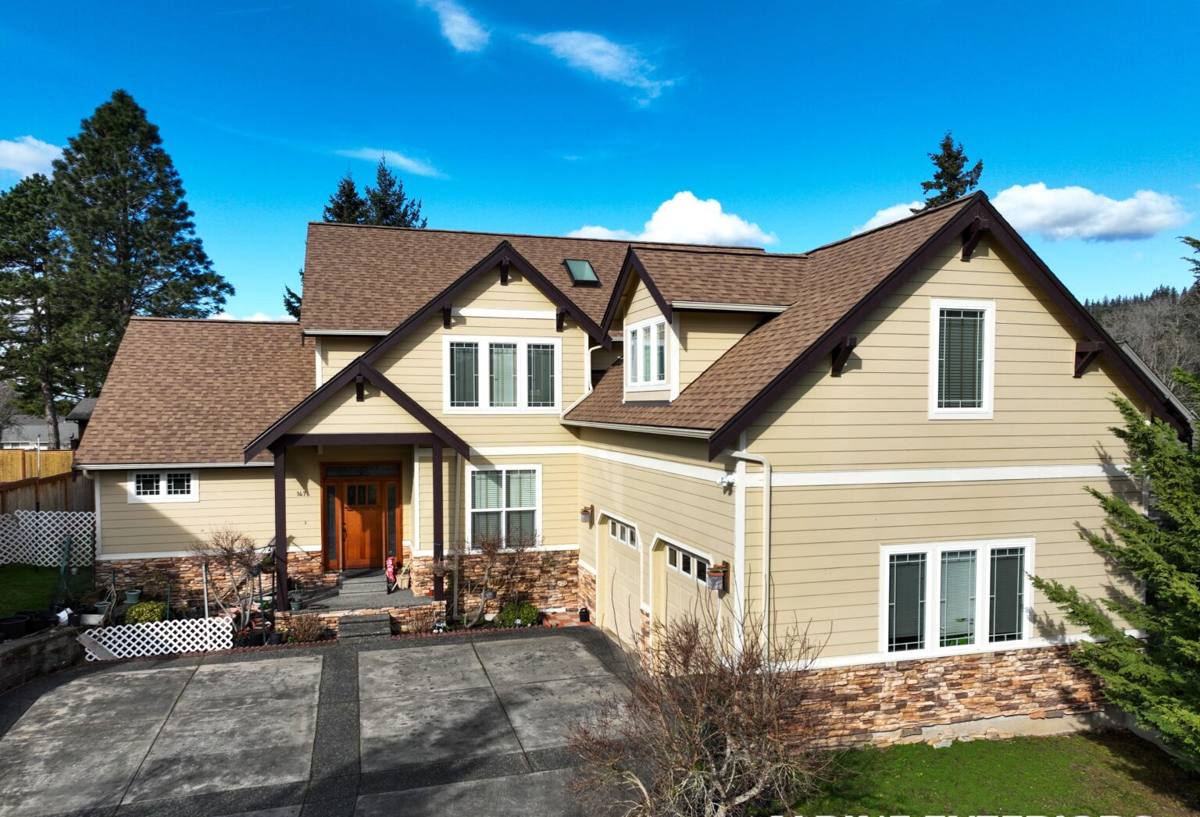
What Local Homes Are Up Against
Salt Air and Metal Fatigue
Airborne salt accelerates corrosion on anything metal — fasteners, joist hangers, post bases, railing hardware. Standard coated deck screws that hold up fine in a drier inland climate can start rusting at the head within a few seasons this close to the water. Once a fastener starts to corrode, it loses holding strength long before it looks bad enough to notice from the surface.
Driving Rain and Ledger Rot
The ledger board — where the deck attaches to the house — is the single most common failure point on decks in this region, and it's almost never a wood problem. It's a flashing problem. Wind-driven rain gets pushed sideways and upward under trim and siding details that would shed water fine in a calmer climate. If the ledger isn't flashed correctly, water works its way behind it and rots the rim joist and sheathing from the inside, often for years before anyone sees a sign of it.
Moss and Trapped Moisture
A long, wet moss season means anything horizontal and shaded — the top of a deck, the gaps between boards, the area underneath — stays damp for extended stretches. Moss and algae aren't just cosmetic. They hold moisture against the wood surface and make boards slicker and more slip-prone, and on wood decking they accelerate surface decay right where foot traffic is heaviest.
What a Correct Deck Build Involves Here
None of this is exotic — it's just discipline about details that get skipped when a crew is moving fast or isn't used to coastal exposure.
- Ledger board flashing with a proper drip cap and self-adhering waterproof membrane behind and under the flashing, not just caulk
- Fasteners and structural hardware rated for both salt exposure and modern treated-lumber chemistry — stainless steel or heavy hot-dip galvanized, not standard coated screws
- Joist tape over the tops of joists and beams to seal fastener penetrations and shed water off the frame instead of into it
- Footings set to the depth required for the soil and frost conditions in this part of Whatcom County, not just "deep enough to look right"
- Adequate gap spacing and airflow beneath the deck so the substructure can dry out between rain events instead of staying damp
- Railing and guard construction that meets Washington building code height and baluster spacing requirements, especially on elevated or view decks
- A decking material and finish plan that accounts for moss and algae growth, not just appearance on day one
Framing and Fasteners: Where Corners Get Cut
Most treated lumber sold today uses a copper-based preservative that's more corrosive to metal than older treatments were. Combine that with salt air and you have two separate corrosion drivers acting on the same fasteners. This is why we don't use standard electro-galvanized screws or hangers on decks in this area — they're rated for general use, not for this combination of exposure. Stainless steel costs more up front. It also doesn't need to be replaced from the inside of a structure five years later, which is a repair nobody wants to pay for twice.
Material Choices for a Grandview Deck
There's no single "best" decking material — there's a best material for how you'll use the deck and how much upkeep you want to take on. Here's how the common options actually compare in this specific climate, not in a showroom.
| Material | Moss/Algae Resistance | Salt Air Behavior | Maintenance |
|---|---|---|---|
| Pressure-treated pine | Needs regular cleaning and sealing to resist growth | Fine if fasteners and hardware are corrosion-rated | Annual cleaning, re-sealing every 2-3 years |
| Cedar | Naturally more decay-resistant, still needs cleaning | Holds up well; fasteners still need to be rated | Periodic cleaning and oil/stain refresh |
| Composite decking | Surface resists rot but can still grow algae film if shaded and damp | Excellent — no corrosion concern for the boards themselves | Occasional washing; no staining or sealing |
| PVC decking | Very resistant to moisture and organic growth | Excellent | Lowest — mostly periodic washing |
Composite and PVC cost more per square foot up front but remove most of the moisture-related maintenance that wood requires in this climate. Wood costs less initially and can look great, but only if someone actually keeps up with cleaning and sealing on schedule — skip that here and moss gets a foothold fast.
Design Considerations Specific to This Area
Wind and Elevation
Decks with any real elevation or a view orientation take more wind load than a low deck tucked against the house. That affects post spacing, footing size, and railing bracing — details that matter more here than they would on a sheltered, ground-level patio deck inland.
Drainage Away From the Foundation
Where a deck sits low to grade, we pay close attention to how water sheds off and away from the house foundation, not just off the deck surface. In a climate with this much annual rainfall, a deck that quietly redirects water toward the foundation instead of away from it causes problems long after the project is "done."
Under-Deck Access
For elevated decks, leaving a way to inspect and clean underneath — rather than fully enclosing the space — makes a real difference in how well the structure dries out and how easy it is to catch a moisture problem before it becomes a repair.
Our Process for Grandview Deck Projects
- On-site assessment — we look at sun/shade exposure, wind exposure, drainage patterns, and the condition of anything we're building onto or replacing
- Design and material selection — sized and specified to how you'll actually use the space, with material trade-offs explained plainly
- Permitting — decks over a certain size or height typically require a permit through the applicable local jurisdiction; we handle that process rather than leaving it on you
- Construction — proper ledger flashing, corrosion-rated fasteners and hardware, correct footing depth, and code-compliant railings as standard practice, not upgrades
- Finish and walkthrough — sealing or finishing where applicable, and a walkthrough covering how to maintain the specific material you chose
Why Hiring a Crew That Already Works in Blaine Matters
A contractor who mostly builds decks in a drier, inland climate isn't wrong about deck-building in general — they're just calibrated for different conditions. Corrosion-rated hardware, ledger flashing detail, and footing depth aren't places to guess based on experience from somewhere else. Working regularly in Blaine and greater Whatcom County means we're not learning the local exposure on your project; we already know what fails here and we build to prevent it from the start.
It also means we're realistic about timing. Building or refinishing a deck right before the wet season starts, without time for sealants and finishes to properly cure, sets the project up to underperform in its first winter. We plan around that instead of around convenience.
Maintaining a Deck in This Climate
Whatever material you choose, a few habits keep a Grandview deck performing the way it should:
- Clean moss and algae film off the surface at least once a year, more often in heavily shaded areas
- Keep gutters and downspouts near the deck clear so runoff isn't dumping directly onto or under it
- Inspect the ledger flashing and any visible fasteners annually for rust staining or looseness
- Re-seal or re-stain wood decking on the schedule the product actually needs, not just when it looks faded
- Make sure under-deck airflow paths stay clear of stored items, planters, or debris that trap moisture
Cost Factors to Expect
Deck pricing varies a lot based on size, material, and site conditions, but the main variables are consistent:
| Factor | Effect on Cost |
|---|---|
| Decking material | Pressure-treated is the lowest upfront cost; composite and PVC run higher but cost less to maintain over time |
| Elevation and structure | A deck requiring taller posts, extra bracing, or stairs adds framing and labor |
| Railing style | Cable, glass, or custom railing systems cost more than standard baluster railing |
| Site access and demolition | Removing an old deck or working around tight access adds time before construction even starts |
| Permitting | Size and height thresholds may require permitting, which adds a modest cost and lead time |
We'll walk through where your project falls on each of these during the estimate, so the number you get reflects your actual site and choices rather than a generic quote.
If your deck in Grandview needs replacing, repairing, or you're planning a new one from scratch, we're happy to take a look and give you a straightforward, no-pressure estimate. Use the form below to get started.