 Blaine Siding
 Decks Built for Custer's Coastal Climate
Custer sits close enough to the water and the open weather patterns that roll through Whatcom County that a deck here lives a different life than one built forty miles inland. Salt-laden air off the Strait, long stretches of driving rain through fall and winter, and a moss season that can run eight months out of the year all work against wood, fasteners, and finishes in ways that catch a lot of homeowners off guard a few years after installation. A deck that looks great the day it's finished isn't the same as one that's actually built to hold up here.
We build and repair decks throughout the Blaine and Custer area, and the difference between a deck that lasts fifteen-plus years and one that starts showing rot, soft spots, or corroded hardware within five almost always comes down to decisions made before the first board goes down: framing, drainage, fastener choice, and material selection matched to this specific climate rather than a generic build.
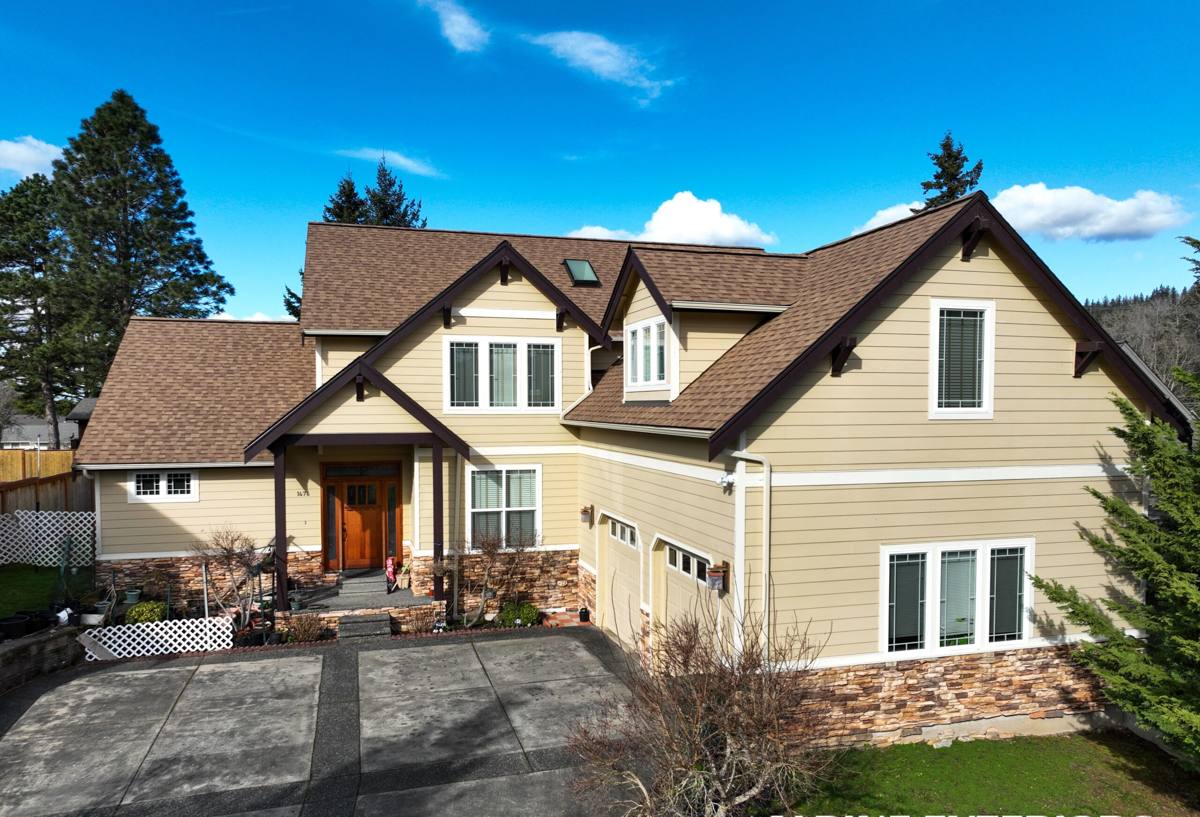
What Custer Homes Need From a Deck
Custer's mix of rural lots, tree cover, and proximity to open farmland and coastal air creates a few recurring conditions we design around:
- Persistent moisture from fall through spring, with slow-drying shaded areas under tree canopy or on the north side of a house
- Salt air carried inland on wind off the water, which accelerates corrosion on unprotected metal hardware
- Moss and algae growth on any decking surface that doesn't shed water and get airflow underneath
- Wind exposure on more open lots, which matters for railing and post anchoring
None of these are dramatic on their own, but stacked together over years they're exactly what breaks down a deck that wasn't built with this climate in mind — soft joists from trapped moisture, rusted screws bleeding stains into the boards, and a slick, moss-covered surface that becomes a fall hazard in the wet months.
The Cost of Building Generic
A deck framed and fastened the same way you'd build one in a dry inland climate will usually look fine for a couple of years. The problems show up gradually — a squeak here, a stain there, a board that feels spongy underfoot — by which point the fix is often more than a simple resurfacing. Building correctly the first time costs more upfront in material and labor decisions, but it's a fraction of what a structural repair or early replacement runs.
Choosing the Right Decking Material for Salt Air and Rain
There's no single "best" decking material — the right choice depends on budget, how much upkeep you want to do, and how exposed the deck is to weather. Here's how the common options actually perform in a Whatcom County coastal climate like Custer's:
| Material | Moisture & Moss Resistance | Maintenance | Typical Lifespan Here |
|---|---|---|---|
| Pressure-treated fir/pine | Good if sealed and maintained; end grain is the weak point | Re-stain/seal every 1-2 years | 10-20 years |
| Cedar | Naturally rot-resistant, but softens faster in constant damp shade | Regular oiling or staining to prevent graying and moss | 15-20 years |
| Composite (capped) | Very good; doesn't absorb moisture, resists moss buildup | Occasional washing, no staining | 25-30+ years |
| PVC decking | Excellent; fully moisture-proof | Low; periodic cleaning | 25-30+ years |
Composite and PVC decking cost more upfront but make sense for homeowners who want to spend weekends on the deck rather than maintaining it. Cedar and pressure-treated wood remain solid choices when budget is the priority or when the homeowner wants a traditional wood look and is willing to keep up with sealing on a schedule. We'll walk through the real trade-offs for your specific lot and sun/shade exposure rather than pushing one product across the board.
Framing and Structure: What's Underneath Matters Most
The decking boards get all the attention, but the framing underneath is what determines whether a deck is safe and long-lived. In a climate with this much sustained moisture, a few framing decisions make an outsized difference:
Joist Protection
Untreated cut ends and joist tops are where rot starts first. We seal cut ends and use joist tape or a flashing membrane on top of the joists so standing water and deck-board runoff can't sit against exposed wood over the winter months.
Ledger Board Flashing
Where a deck attaches to the house, proper flashing behind the ledger board keeps water from working its way into the rim joist and wall framing — one of the most common failure points we find on older decks in this area, and one of the most preventable with correct installation.
Post Footings and Anchoring
Footings need to sit below frost depth and be sized for the soil conditions on your specific lot. On more open or elevated sites around Custer, we also pay close attention to post-to-beam and post-to-footing connections given the wind exposure some properties see.
Building for Drainage and Airflow, Not Just Looks
Moss doesn't grow because decking is a bad product — it grows wherever moisture sits and airflow is poor. A well-built deck accounts for that from the start:
- Proper board spacing so water drains through rather than pooling on the surface
- Adequate clearance between the deck and the ground for airflow underneath, especially on lower decks close to grade
- Grading and drainage planning around the deck footprint so runoff moves away from the structure instead of collecting under it
- Board orientation and slope planned into the frame, not corrected after the fact with shims
These details don't show up in a photo, but they're the difference between a deck that needs a pressure wash once a year and one that grows a green film every winter no matter how often you clean it.
Railings, Fasteners, and Hardware That Hold Up to Salt Air
Metal hardware is often the first thing to fail on a coastal deck, and it fails quietly — a screw head rusts, bleeds a stain streak down the board, and eventually loses its grip. We use corrosion-resistant, coated or stainless fasteners rated for treated lumber and exterior exposure, and we're deliberate about railing hardware in particular since it takes direct weather exposure and is a safety component, not just a finish detail. Cutting corners on fasteners is one of the most common shortcuts we see on decks that failed early, and it's one of the cheapest things to do right the first time.
Our Process, From First Look to Final Walkthrough
We keep the process straightforward and specific to your property rather than running a one-size-fits-all script:
- On-site walkthrough — we look at sun/shade exposure, drainage patterns, existing structure if it's a rebuild, and how the deck will actually be used
- Material and layout discussion — honest trade-offs on decking material, railing style, and layout based on your budget and maintenance preference
- Written estimate — clear scope, materials, and timeline before any work starts
- Permitting — we handle the Whatcom County permit process where required so you're not chasing paperwork
- Build — framing first with proper flashing and fastener choices, then decking, railing, and finish work
- Final walkthrough — we go over the finished deck with you and cover basic maintenance expectations for the material you chose
Permits in Whatcom County
Most new decks and many significant rebuilds in unincorporated Whatcom County, including the Custer area, require a building permit, particularly once you're above a certain height off grade or attaching structurally to the house. We handle that process as part of the build so it doesn't become your problem to sort out.
Keeping a Custer Deck Looking and Performing Right
Whatever material you choose, a little seasonal attention goes a long way in this climate:
- Sweep leaves and debris off the deck regularly in fall — trapped organic matter holds moisture and feeds moss growth
- Clean gutters and downspouts near the deck so overflow isn't draining directly onto or under it
- Pressure wash (at a safe distance and pressure for the material) once or twice a year to knock back moss and algae before it takes hold
- Re-seal or re-stain wood decking on the schedule appropriate to the product — don't wait until it's visibly gray and worn
- Check railing posts and hardware annually for looseness or corrosion, especially after a hard winter
- Keep an eye on any spots that stay damp longer than the rest of the deck after rain — that's usually where a drainage or airflow issue is starting
Why Hiring a Crew That Already Works Custer Matters
Building a deck that holds up here isn't about a fancier product — it's about knowing how this specific stretch of Whatcom County behaves through a wet winter and a mossy spring, and building accordingly. We've made the framing, flashing, fastener, and drainage decisions above on enough local jobs to know which shortcuts cause problems two or three years down the road, and we'd rather build it right the first time than come back for a repair call. A crew unfamiliar with the area might build a technically fine deck for a dry inland climate that simply isn't set up for what Custer's rain and salt air will do to it over time.
If you're planning a new deck or replacing one that's showing its age, we're happy to come take a look and give you a straightforward, no-pressure estimate — just fill out the form below.