 Blaine Siding
 Decks Built for Birch Point's Waterfront Climate
Birch Point sits right up against the water on Blaine's coastline, and that location shapes everything about how a deck should be built here. Homes in this shoreline neighborhood take on more wind-driven rain, more salt-laden air, and more shade-and-moisture combinations than a deck built a few miles inland in Whatcom County. A deck that looks fine on day one but wasn't specified for this environment will show problems within a season or two — soft spots, rust streaks, slick moss growth, fasteners that back out or corrode. We build decks in Birch Point regularly, and every material and fastening decision on this page reflects what actually holds up out here, not just what looks good in a showroom.
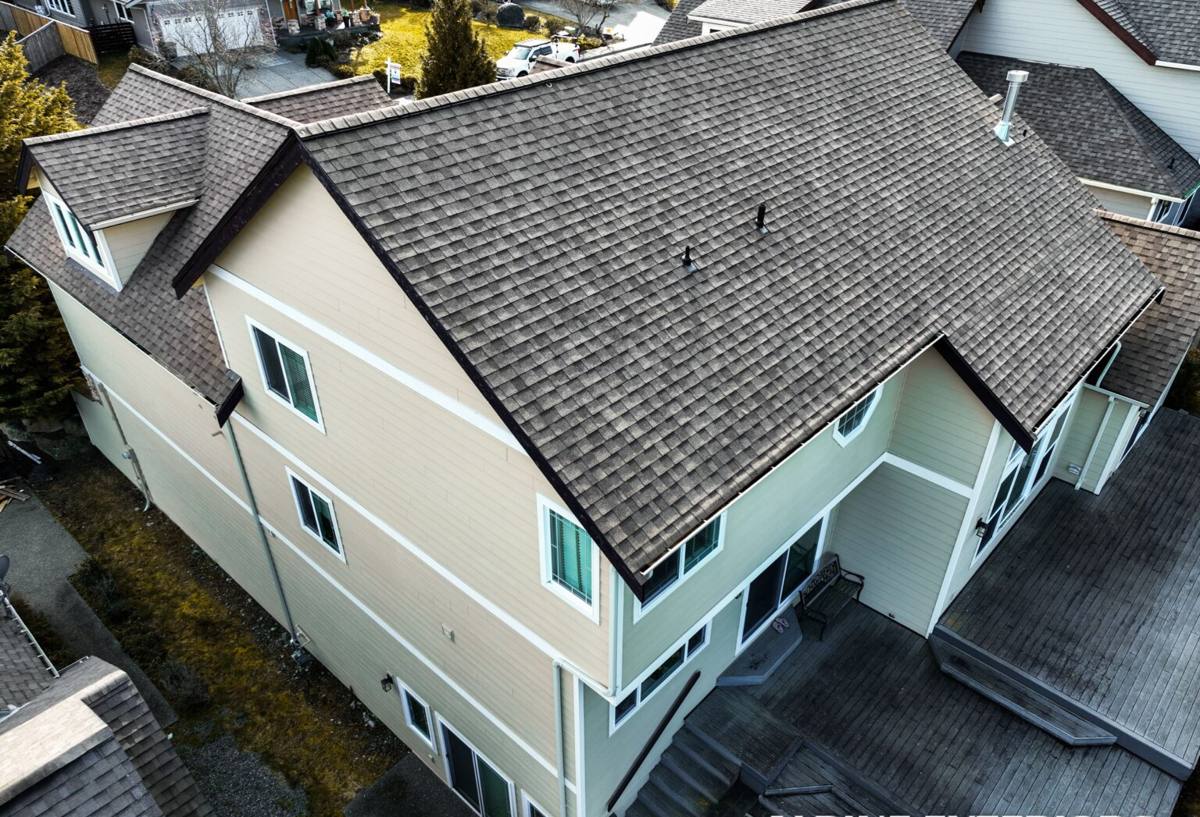
What a Birch Point Deck Has to Deal With
Three conditions drive most of the decisions on a coastal deck project in this part of Whatcom County:
- Salt air: Airborne salt accelerates corrosion on any exposed metal — fasteners, brackets, railing hardware — faster than it would even a short distance inland.
- Driving rain: Wind-driven rain off the water doesn't just fall on a deck, it gets pushed sideways into ledger connections, stair stringers, and railing posts, which is exactly where rot and water intrusion start.
- Moss season: Long stretches of damp, mild weather in the fall and winter let moss and algae take hold on any decking surface that stays shaded or doesn't drain and dry properly, and that growth turns boards slick and, over time, holds moisture against the wood underneath.
None of these are exotic problems, but they compound. A deck that's marginal on drainage and marginal on hardware will fail faster near the shoreline than the same deck built a few miles east, simply because it's absorbing more of all three stresses at once.
Decking Material Options for This Environment
There's no single "best" decking material for every Birch Point home — it depends on budget, how much sun the deck gets, and how much upkeep you actually want to do. Here's how the common options compare in a marine climate like this one:
| Material | How it handles salt air & moisture | Moss/algae resistance | Maintenance |
|---|---|---|---|
| Pressure-treated wood | Good if properly sealed and re-sealed; end grain and fastener holes are the weak points | Low — porous surface holds moisture and grows moss if not cleaned | Annual cleaning and re-sealing recommended |
| Cedar | Naturally decay-resistant but still needs periodic sealing near the water | Low to moderate | Periodic cleaning, oiling, or staining |
| Capped composite | Very good — the cap layer resists moisture absorption and doesn't corrode | Moderate — still benefits from periodic washing in shaded, damp spots | Occasional washing, no sealing or staining |
| PVC decking | Excellent — fully synthetic, doesn't absorb water or salt | Moderate to good, depending on surface texture | Occasional washing, lowest overall upkeep |
We install all of the above depending on what a homeowner wants, but for decks with heavy shade, close water exposure, or owners who don't want a yearly maintenance chore, we generally steer people toward a capped composite or PVC product. The upfront cost is higher than pressure-treated lumber, but the maintenance burden and moisture-related failure points drop significantly, which matters more here than it would on a dry, inland lot.
A Note on Fasteners and Hardware
Whatever decking material you choose, the hardware holding it together matters just as much in a salt-air environment. We use stainless steel or coated, corrosion-rated fasteners and connectors on coastal projects — not because it's the cheapest option, but because standard galvanized hardware can start showing rust streaks and weakening well before the decking itself wears out. A deck is only as good as its weakest connection, and near the water that's almost always the hardware, not the boards.
What's Underneath Matters More Than What's On Top
The framing, ledger connection, and footings are where a coastal deck actually succeeds or fails, even though homeowners rarely see them once the project is done. A few things we build into every Birch Point deck:
- Proper flashing at the ledger board where the deck meets the house, so wind-driven rain can't work its way behind the siding.
- Joist tape or a moisture barrier on framing members to slow water absorption at the top of each joist, where standing moisture does the most damage.
- Footings set to the correct depth and bearing for our soil and frost conditions, not just poured to a minimum spec.
- Adequate gaps between decking boards for drainage and airflow, which also reduces the standing moisture that feeds moss growth.
None of this is visible in a finished photo, and none of it is optional if you want the deck to still be solid in fifteen years instead of five.
Railings, Stairs, and Code Requirements
Most custom deck projects in Blaine also involve railings and stairs, and both have to meet Washington building code requirements for height, baluster spacing, and guard strength — this isn't optional or a matter of preference once a deck reaches a certain height off grade. Permit requirements and inspection steps are handled through Whatcom County and the City of Blaine depending on where the property sits, and we manage that process as part of the job rather than leaving it for the homeowner to sort out. On a waterfront lot, we also pay attention to how railing design affects view lines and wind load, since open-water exposure puts more pressure on a tall railing run than a sheltered inland deck ever sees.
Our Process for a Birch Point Deck Project
The steps are straightforward, but we don't skip any of them:
- Site visit and assessment: We look at sun and shade patterns, drainage, existing structure (if it's a replacement), and how exposed the site is to prevailing wind and rain.
- Design and material selection: We walk through decking and railing options honestly, including trade-offs on cost, maintenance, and how each material performs in this specific climate.
- Permitting: We handle the permit application and coordinate any required inspections.
- Framing and construction: Footings, framing, flashing, and decking are installed in that order, with attention to the moisture-management details covered above.
- Railings, stairs, and finish work: Final code-compliant railings, stairs, and any trim or lighting details are installed.
- Final walkthrough: We go over the finished deck and, for wood decks, provide clear guidance on sealing and maintenance schedule.
Maintaining a Deck Through Moss Season
Whatever material you choose, a little seasonal attention goes a long way in this climate. A simple maintenance checklist we give Birch Point homeowners:
- Sweep leaves and debris off the deck surface regularly in fall, especially in shaded corners where moisture collects.
- Wash the deck surface at least once a year with a deck-safe cleaner to remove early moss and algae growth before it takes hold.
- Check railing posts and stair connections annually for movement, rust streaks, or soft wood.
- For wood decks, re-seal or re-stain on the schedule recommended for the product — typically every one to two years in a marine climate.
- Keep gutters and downspouts near the deck clear so runoff isn't draining directly onto or under the deck structure.
Cost Factors for a Birch Point Deck
Every deck is different, so exact pricing depends on size, material, height off grade, and site access, but these are the main factors that move the number:
| Factor | Why it affects cost |
|---|---|
| Decking material | Pressure-treated lumber costs less upfront than composite or PVC; composite and PVC cost more but reduce long-term maintenance |
| Deck height and footing requirements | Taller decks and steeper lots need more substantial framing, footings, and often more complex stairs |
| Railing style | Standard railing costs less than glass panel, cable, or custom designs |
| Site access | Waterfront and bluff lots can have tighter access for equipment and materials, which affects labor time |
| Size and layout | Multi-level decks, built-in seating, or wraparound layouts add material and labor beyond a simple rectangular deck |
We give straightforward, itemized estimates so you can see where the cost is actually going, rather than a single lump number.
Why Work With a Crew That Already Builds in Birch Point
A deck contractor who mostly works inland can still build a structurally sound deck, but they're often making material and hardware choices based on assumptions that don't hold up on the coast. We already know how fast standard hardware corrodes out here, which decking surfaces actually stay walkable through a wet Whatcom County winter, and how local permitting works for waterfront and near-waterfront lots. That familiarity shows up in fewer surprises during the project and a deck that's built for the conditions it actually has to survive, not generic conditions.
If you're planning a new deck or replacing one that's showing its age, we're happy to come take a look and talk through honest options for your property. Reach out for a free, no-pressure estimate using the form below.