 Blaine Siding
 Ferndale's Weather Doesn't Give Roofs an Easy Season
Ferndale sits close enough to the water and open farmland that roofs here take a different kind of beating than roofs 30 miles inland. Winter storms roll in off the Strait of Georgia with wind-driven rain that finds every weak seam, and the salt-laden air that comes with living near Whatcom County's coastline slowly works on metal fasteners, flashing, and exposed edges year-round. Add in a moss season that can run eight or nine months out of the year, and you've got a roof that's under more or less constant low-grade stress even when there isn't a named storm in the forecast.
Most storm damage we see in Ferndale isn't dramatic. It's not always a tree through the roof. More often it's a handful of lifted shingles near a ridge, a flashing seam that let go in a gust, or a soft spot in the decking that's been taking on moisture for months before anyone noticed a stain on the ceiling. Catching and fixing that kind of damage correctly — the first time — is what this page is about.
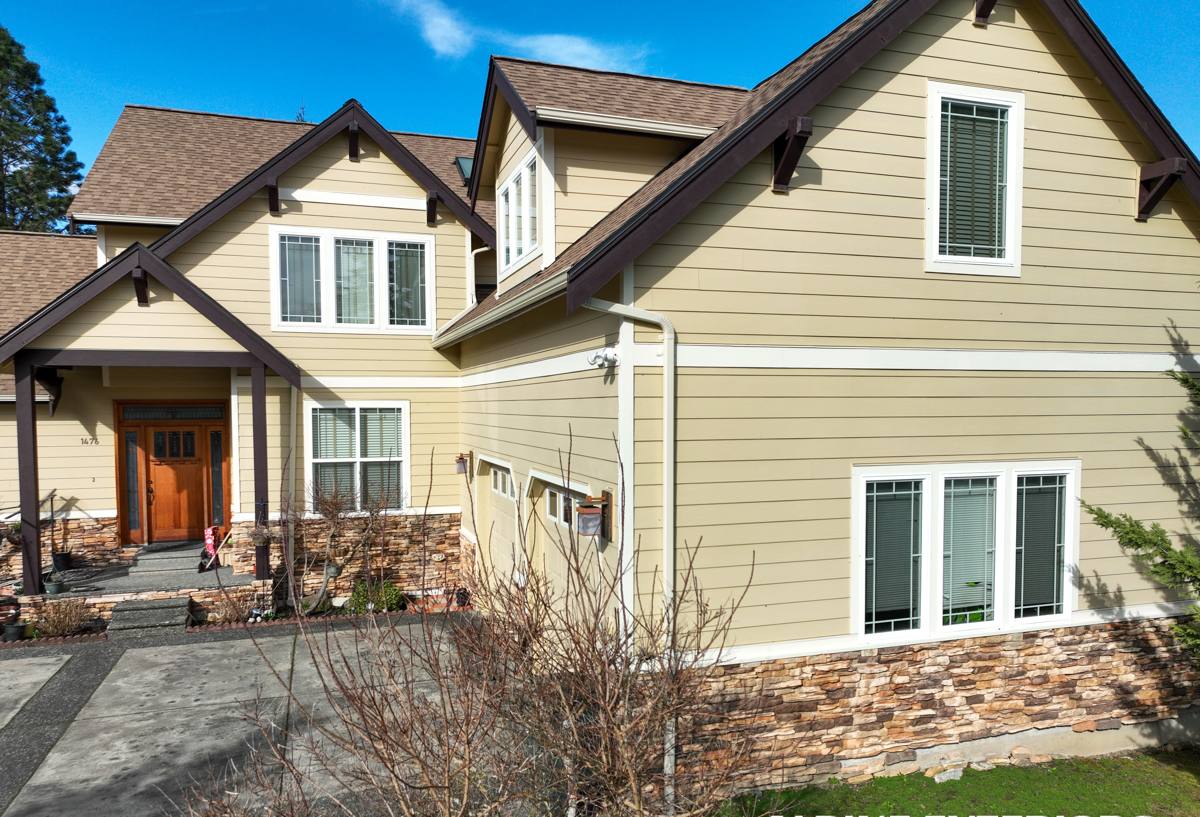
What Makes Storm Damage Different From Normal Wear
Every roof ages. Storm damage is different because it happens fast, in a specific spot, and it often opens a path for water where none existed before. That distinction matters for how we approach the repair.
Wind Damage
High wind doesn't need to strip a whole roof to cause a real problem. A few shingles lifted or torn off the west or northwest slope — the direction most Whatcom County storms come from — is enough to expose the underlayment and nail line underneath. Left alone through a few more rain events, that small gap turns into a leak that shows up somewhere else entirely, like a stain on an interior wall two rooms away from the actual hole.
Wind-Driven Rain and Water Intrusion
Ferndale's storms rarely come straight down. Rain pushed sideways by wind gets up under shingle tabs, around chimney flashing, and into valleys that would shed water fine in a calmer rain. This is why a roof that "looked okay" after a storm can still be leaking — the damage is at a seam, not a hole you can see from the ground.
Debris Impact
Branches and debris carried by wind can bruise or crack shingles, punch through flashing, or dent metal roofing. Impact damage doesn't always leak right away, but it breaks down the roof's protective layer in that spot, and the next storm finds it.
The Local Factors That Complicate Repairs
A storm repair in Ferndale has to account for conditions that don't show up the same way in drier parts of the state.
- Salt air corrosion: Metal flashing, fasteners, and gutter hardware near the coast corrode faster than the same materials inland. A repair that reuses corroded fasteners or flashing is a repair that fails again in a year or two.
- Moss growth: Whatcom County's damp, shaded conditions are close to ideal for moss. Moss holds moisture against the roof surface, lifts shingle edges as it grows, and can mask early signs of storm damage until it's advanced.
- Persistent low-level moisture: Long stretches of overcast, drizzly weather mean storm-damaged areas rarely get a chance to fully dry out between rain events, which speeds up rot in exposed decking.
- Tree cover: Ferndale's mix of wooded lots and open farmland means many roofs sit under or near mature trees, which is both a debris risk during storms and a source of the shade and needle buildup that feeds moss.
None of this is unique to any one property — it's the baseline climate for the area — which is exactly why a repair plan built for Ferndale looks different from one built for a dry-climate roof.
What a Correct Storm Damage Repair Actually Involves
A patch job and a correct repair can look nearly identical from the ground and behave completely differently after the next storm. Here's what we check and address on every storm repair call.
Full Inspection, Not Just the Obvious Spot
We start at the reported problem area, but we walk the whole roof. Wind damage rarely stays confined to one spot, and it's common to find a second weak area the homeowner didn't know about — especially on slopes facing the prevailing storm direction.
Checking the Decking, Not Just the Shingles
Shingles are the visible layer, but the plywood or OSB decking underneath is what actually holds everything together and keeps water out if the top layer fails. If water has been getting into a damaged area for a while, the decking underneath can be soft or delaminating. Replacing shingles over compromised decking is a short-term fix that fails again quickly.
Flashing and Seams
Chimney flashing, valley flashing, and vent boots are where most wind-driven-rain leaks actually originate, not the open field of shingles. A correct repair re-seats or replaces flashing that's lifted, corroded, or improperly sealed rather than just caulking over the symptom.
Matching Materials Properly
New shingles or roofing material patched into an older roof should match as closely as possible in profile, weight, and color so the repair holds up structurally and doesn't stand out. When an exact match isn't available, we'll tell you honestly rather than force a mismatch and pretend it isn't there.
Repair or Replace? The Honest Cost Factors
Not every storm-damaged roof needs full replacement, and not every roof can be responsibly patched. The right call depends on a few concrete factors, not guesswork.
| Factor | Leans Toward Repair | Leans Toward Replacement |
|---|---|---|
| Age of roof | Under 10-12 years, still within expected lifespan | Nearing or past the material's typical service life |
| Extent of damage | Isolated to one slope or a small area | Multiple slopes affected, or widespread moss/wear beyond the storm event |
| Decking condition | Solid, dry, no soft spots found | Soft, delaminated, or repeated moisture intrusion found |
| Material availability | Close match available for existing roofing | Discontinued material with no reasonable match |
| Repair history | First storm-related issue on this roof | Recurring leaks or repairs in the same general area |
We'll walk you through where your roof actually falls on this before recommending anything. A repair that's the right call is the right call — we're not in the business of upselling a replacement a roof doesn't need, and we're not going to patch a roof that needs more than a patch.
Our Process for Ferndale Storm Repairs
- Contact and scheduling: We get details on when the damage occurred and what you've noticed, then schedule an inspection — sooner if there's active water intrusion.
- On-site inspection: Full roof walk, not just the reported spot, including decking checks where damage is suspected.
- Written scope and estimate: You get a clear explanation of what's damaged, what needs to happen, and what it costs before any work starts.
- Repair work: Flashing, decking, and roofing material addressed as a system, not a surface patch.
- Final walkthrough: We show you what was done and what to watch for going forward, including moss and drainage notes specific to your property's exposure.
Documenting Damage for Insurance
Many storm repairs in Whatcom County involve a homeowner's insurance claim. We can document the damage we find with photos and a written scope that's useful for an adjuster, but we work for you, not the insurance company. If there's a disagreement about scope or cause, we'll give you our honest professional read on what the roof needs — that's the same standard we'd apply whether a claim is involved or not.
Signs You Should Have Your Roof Checked After a Storm
- Missing, cracked, or curled shingles visible from the ground
- Granules collecting in gutters or at downspout outlets
- New or worsening stains on ceilings or upper interior walls
- Daylight visible through the attic roof deck
- Flashing that looks bent, lifted, or separated around chimneys and vents
- A sudden increase in moss or debris buildup in one area after high wind
- Any sound of dripping or active moisture in the attic during or after rain
Even one of these on its own is worth a look. Roof damage in this climate rarely stays the same size — it's either drying out and getting worse slowly, or it's actively letting water in.
Why It Matters That We Already Work in Ferndale
A crew that works Ferndale and the surrounding Whatcom County area regularly knows what this climate does to a roof over time, not just what a single storm did last week. We've seen how salt air treats exposed fasteners, how fast moss can re-establish on a north-facing slope, and which flashing details tend to fail first in wind-driven rain. That local pattern recognition is what separates a repair that holds up through the next winter from one that's back on the schedule in twelve months.
It also means we're not guessing at availability or driving distance when you need someone back out to check on a repair. If something doesn't look right after a storm passes through, we're already working in the area.
If you've got storm damage on your Ferndale roof — or you just want a second, honest opinion after a rough weekend of wind and rain — we're happy to come take a look. Use the form below to request a free, no-pressure estimate.