 Blaine Siding
 Why Blaine Harbor Roofs Age Differently Than Roofs Inland
A roof in Blaine Harbor doesn't live the same life as a roof twenty miles inland in Whatcom County. Being this close to the water means salt-laden air moving across the shingles almost every day, wind-driven rain that hits roof planes sideways instead of straight down, and a wet season that runs long enough to give moss a real foothold before the roof ever gets a full dry stretch. None of that means asphalt shingles are the wrong choice for this area — they're still one of the most practical, cost-effective roofing materials available, and they perform well here when they're specified and installed correctly. It does mean a roof built to a generic spec, without attention to this specific exposure, will show its age faster than it should.
This page is about one job, done right, for one kind of home: asphalt shingle roofing on Blaine Harbor properties, where the combination of salt air, rain, and moss is the defining condition we design around.
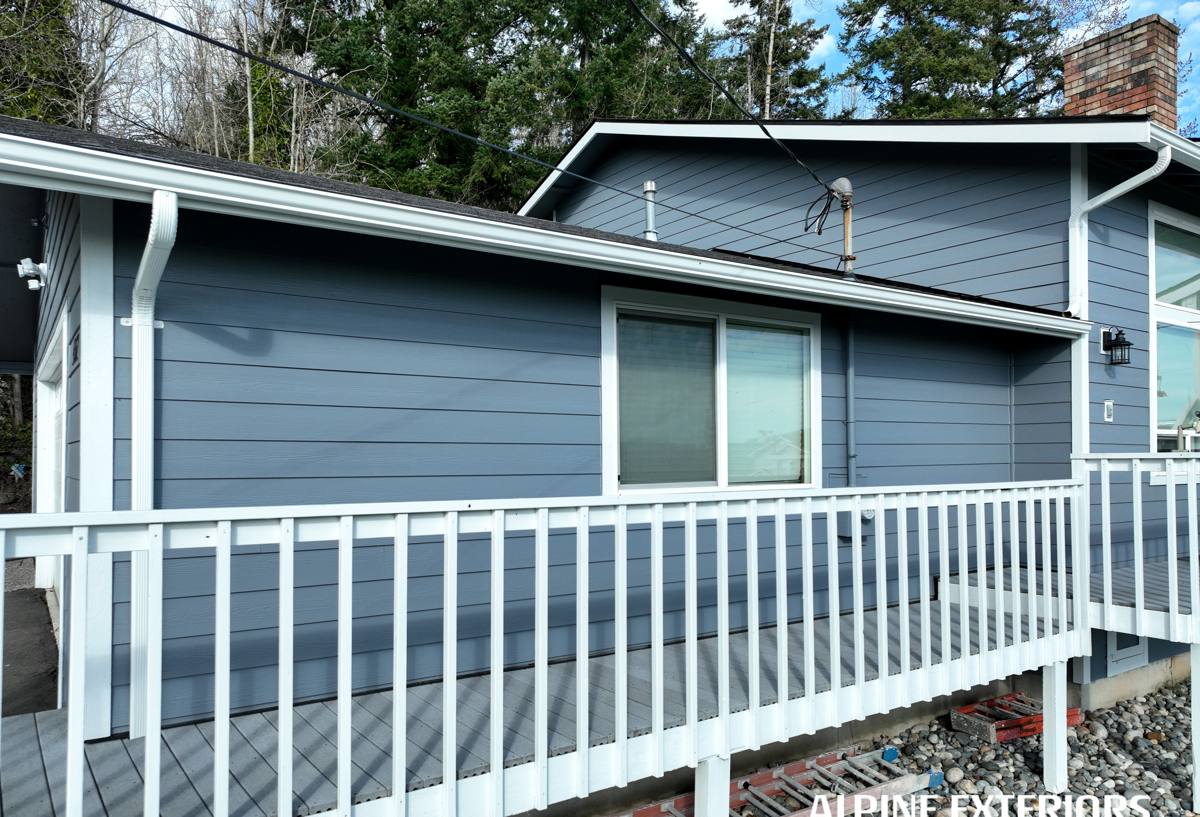
What Salt Air, Rain, and Moss Actually Do to a Shingle Roof
Salt Air
Airborne salt doesn't rot asphalt shingles the way it corrodes bare metal, but it does accelerate wear on the parts of a roof system that aren't asphalt — exposed fasteners, flashing, vents, and any unprotected metal drip edge. Salt-laden moisture also settles into granule loss areas and seams faster than it would in a dry inland climate, which is why fastener choice and flashing material matter more here than they would on a roof twenty miles from the water.
Driving Rain
Harbor-adjacent homes catch wind-driven rain from more directions than a typical inland roof does. Water gets pushed sideways and upward under shingle tabs, into valleys, and around penetrations like plumbing vents and chimneys. A roof that would shed straight-down rain just fine can still leak under these conditions if the underlayment, valley work, and flashing details weren't built for sideways water.
Moss Season
Whatcom County's long, mild, wet stretch of the year is close to ideal moss-growing weather. Moss doesn't just look bad — its root structure holds moisture against the shingle surface and can work under tabs and granules over time, and heavy moss growth on north-facing or shaded roof planes can shorten shingle life if it's never addressed.
Choosing the Right Shingle for a Harbor-Facing Roof
Not every asphalt shingle product is built the same, and the right choice depends on the roof's exposure, pitch, and how much shade and moisture it deals with. Here's how the common options compare for a home in this kind of environment.
| Shingle Type | Typical Lifespan | Best Fit for Blaine Harbor Conditions |
|---|---|---|
| 3-Tab Asphalt | 15–20 years | Budget-friendly; fine on low-exposure roof planes, but the least resistant to wind uplift on harbor-facing sides |
| Architectural (Laminate) Asphalt | 25–30 years | Our standard recommendation here — heavier, better wind ratings, holds up better to driving rain and salt exposure |
| Impact-Resistant (Class 4) Asphalt | 25–30 years | Worth considering on roofs exposed to falling debris from nearby trees; adds durability without changing the look |
| Algae-Resistant (AR) Shingles | Same as base product | Recommended add-on for shaded or north-facing planes prone to moss and algae staining |
For most Blaine Harbor homes, we recommend a mid- to upper-tier architectural shingle with algae-resistant granules as the baseline, then adjust up or down based on the roof's specific exposure and the homeowner's budget. We'll walk through the real trade-offs during your estimate rather than defaulting to the most expensive option.
What a Correct Installation Actually Involves
The shingle brand on the wrapper matters less than what's underneath it and how it's installed. In an environment with wind-driven rain and salt air, these details are the difference between a roof that holds up and one that doesn't:
Underlayment and Water Barrier
We install a synthetic underlayment rated for the roof's exposure, with self-adhered ice-and-water shield along eaves, valleys, and any low-slope transitions where wind-driven rain is most likely to force water backward under the shingles. On a harbor-facing roof, we don't treat this as optional — it's the layer that catches what the shingles miss.
Flashing
Step flashing at walls and chimneys, proper valley metal, and drip edge sized and fastened correctly all matter more in salt air than they do inland. We use corrosion-resistant flashing materials and fastener types suited to this environment rather than whatever is cheapest.
Ventilation
Balanced intake and exhaust ventilation keeps the underside of the roof deck dry and helps prevent the trapped moisture that speeds up moss growth and shortens shingle life from the inside out. A roof can be flashed and shingled perfectly and still underperform if the attic isn't breathing correctly.
Nailing Pattern and Wind Rating
Manufacturer nailing patterns exist for a reason, and on wind-exposed harbor roofs we follow the high-wind nailing specification rather than the standard pattern, which typically adds several extra fasteners per shingle and meaningfully improves uplift resistance.
Our Process, From Estimate to Cleanup
- On-site inspection. We walk the roof (or inspect from a ladder and drone where pitch or access requires it), check the decking condition, existing ventilation, flashing points, and any moss or moisture damage.
- Honest written estimate. You get a clear scope of work and price — what shingle system we recommend and why, what underlayment and flashing package is included, and what (if anything) is optional.
- Deck inspection during tear-off. Once the old roof is off, we check the decking for soft spots or rot before anything new goes down, and we flag any repairs before covering them up, not after.
- Installation to spec. Underlayment, ice-and-water shield, flashing, ventilation, and shingles installed to manufacturer spec and adjusted for this site's wind and rain exposure.
- Final walkthrough and cleanup. Magnetic sweep for nails, debris removal, and a walkthrough so you can see the finished work before we consider the job done.
Maintenance That Actually Extends Roof Life Here
A well-installed asphalt shingle roof in this climate still benefits from basic upkeep. None of this requires a contractor visit every time — but a few habits go a long way toward getting the full lifespan out of the investment.
- Keep gutters and valleys clear of debris so wind-driven rain has a clear path off the roof
- Watch shaded and north-facing roof planes for early moss growth and address it before it spreads
- Trim back overhanging branches that keep roof sections damp and shaded longer than necessary
- Have flashing around chimneys, vents, and skylights checked periodically — these are the most common leak points, not the open shingle field
- Schedule a roof inspection after any major windstorm, especially one with sustained gusts off the water
- Avoid pressure-washing shingles — it strips granules and shortens shingle life; moss and debris should be removed with gentler methods
Roof Replacement vs. Repair: How We Decide
Not every roof problem means a full replacement, and we don't push a bigger job than a home actually needs. Generally, isolated leaks, a handful of damaged shingles, or flashing failures on an otherwise sound roof are repair situations. Widespread granule loss, shingles that are curling or cracking across most of the roof, repeated leaks in different spots, or a roof nearing or past its expected lifespan point toward replacement. During an inspection, we'll tell you honestly which category your roof falls into and explain the reasoning, including what we'd expect a repair to buy you in remaining years versus a full replacement.
Why Working With a Crew That Knows Blaine Harbor Matters
A roofing crew that mostly works inland jobs isn't necessarily going to over-spec every detail for a harbor-facing roof the way one that works this area regularly will. Knowing which roof planes in Blaine Harbor typically take the worst of the wind-driven rain, which orientations grow moss fastest, and how salt exposure affects fastener and flashing choices isn't something you get from a manufacturer spec sheet — it comes from working roofs in this specific environment. That local familiarity shows up in the small decisions: where we add extra ice-and-water shield even when it's not strictly required, which flashing metal we default to, and how we set expectations for maintenance based on a roof's actual orientation and exposure rather than a generic recommendation.
If you're dealing with an aging roof, visible moss, or you just want an honest read on where your roof stands, we're happy to take a look. Use the form below to request a free, no-pressure estimate — we'll walk the roof, answer your questions, and give you a straight assessment either way.